


Imagine pointing your phone at a city street and seeing historical figures reenact pivotal moments right before your eyes, or visualizing how a new sofa would perfectly fit and look in your living room before you even buy it. This isn't science fiction; it's the everyday magic unlocked by AR compatible iPhones, devices that have transformed our handheld gadgets into windows into layered, interactive realities. The journey from a novel concept to a core technological pillar is a story of innovation, and it’s happening right in the palm of your hand.
The Engine Behind the Magic: Hardware and Software Synergy
The seamless AR experiences on modern smartphones are not achieved by software alone. They are the result of a sophisticated dance between powerful hardware components and intricately designed software frameworks. Understanding this synergy is key to appreciating why certain devices excel in augmented reality.
The Mighty Processor: The Brain of AR Operations
At the heart of every AR experience is the processor. Augmented reality is computationally intensive, requiring the device to understand the world in real-time. This involves:
- World Tracking: Using the camera feed to map the physical environment and track the device's position within it with incredible accuracy.
- Rendering: Generating high-fidelity 3D graphics and overlaying them perfectly onto the real world without lag.
- Scene Understanding: Identifying horizontal planes like floors and tables, vertical planes like walls, and recognizing specific images or objects.
Older or less powerful processors simply cannot handle these simultaneous tasks efficiently, leading to jittery, misaligned, or low-quality AR that breaks immersion. The neural engines integrated into modern mobile chips are particularly crucial, as they accelerate machine learning tasks, enabling features like people occlusion, where digital content can realistically pass behind real people in the scene.
Advanced Sensors and Cameras: The Eyes of the Device
A powerful brain needs sharp eyes. The camera system is the primary sensor for most AR experiences, but it's the additional technology that makes the difference.
- LiDAR Scanner: This is a game-changer for mobile AR. A LiDAR (Light Detection and Ranging) scanner measures the distance to surrounding objects by bouncing laser light off them. It creates a detailed depth map of a room almost instantly, drastically improving plane detection, object occlusion, and AR measurement accuracy, especially in low-light conditions where the camera might struggle.
- Depth-Sensing Cameras: Some models utilize advanced camera systems with depth-sensing capabilities to create a 3D model of the environment, aiding in more realistic placement of virtual objects.
- High-Motion Stability: Gyroscopes and accelerometers work in tandem with the visual data to ensure the virtual content remains stable and locked in place even as you move the device around.
The Software Framework: Building the Bridge
Hardware is useless without software to orchestrate it. The operating system provides the foundational frameworks that allow developers to build rich AR apps without starting from scratch. This robust toolkit gives developers access to the powerful hardware features, providing them with the tools for motion tracking, environmental understanding, and rendering, ensuring a consistent and high-performance AR experience across thousands of different applications.
A Generation of AR Capability: Which Devices Can Handle It?
Not all devices are created equal when it comes to delivering a premium AR experience. Capability can be broadly categorized based on the hardware features they possess.
The Premium Tier: Full-Featured AR Powerhouses
This tier represents the cutting edge of mobile AR, featuring the most advanced hardware available. These devices include a LiDAR scanner, the most powerful processors, and advanced camera systems. They offer the most accurate, stable, and immersive AR experiences possible on a mobile device. Apps that require precise measurement, complex object placement, or realistic occlusion perform best on these models. This tier is essential for professional applications in design, architecture, and engineering where accuracy is paramount.
The Mainstream Tier: Robust and Capable Performers
The vast majority of modern smartphones fall into this category. They lack a dedicated LiDAR scanner but are equipped with very powerful processors and high-quality cameras. The AR experience on these devices is excellent for gaming, shopping, education, and entertainment. They handle world tracking and scene understanding very well through the camera system alone. For most consumers, this tier provides a fantastic and highly engaging AR experience that feels polished and responsive.
The Entry-Level Tier: Basic AR functionality
Some older or more budget-friendly models can run basic AR applications. They support the core software framework, meaning they can track the world and place objects. However, the experience may be less stable, more prone to errors in complex environments, and cannot support advanced features like people occlusion or highly accurate measurements. They are capable of simple AR games, viewing static models, and filters, but they showcase the limitations of AR without the latest hardware enhancements.
Transforming Industries: The Practical Power of AR
Beyond fun filters and games, AR compatible devices are revolutionizing how we work, learn, shop, and interact with information.
Retail and E-Commerce: Try Before You Buy
This is one of the most impactful applications for consumers. AR allows you to project virtual furniture into your home to check for size and style, see how a new pair of glasses looks on your face, or even visualize a new coat of paint on your walls. This reduces purchase anxiety and product returns, creating a more confident and satisfying shopping experience directly from your living room.
Education and Training: Interactive Learning
Textbooks come to life with AR. Students can explore the human body in 3D, watch historical events unfold on their desk, or interact with complex molecular structures. In vocational training, technicians can learn to repair equipment by following AR overlays that highlight parts and procedures, reducing risk and improving learning outcomes.
Design and Architecture: Visualizing the Unbuilt
Architects and interior designers use AR to place full-scale models of their designs onto physical sites. Clients can walk through a virtual building before the foundation is even poured. This enables better decision-making, identifies potential issues early, and helps stakeholders visualize the final product in a way blueprints and renders never could.
Navigation and Exploration: A New Way to See the World
AR navigation apps overlay directions onto the real-world view from your camera, showing you exactly which way to turn by painting a path on the street. Museums and cities can offer AR tours, where pointing your device at an exhibit or landmark reveals historical information, animations, and stories, enriching cultural experiences.
The Future is Augmented: What's Next?
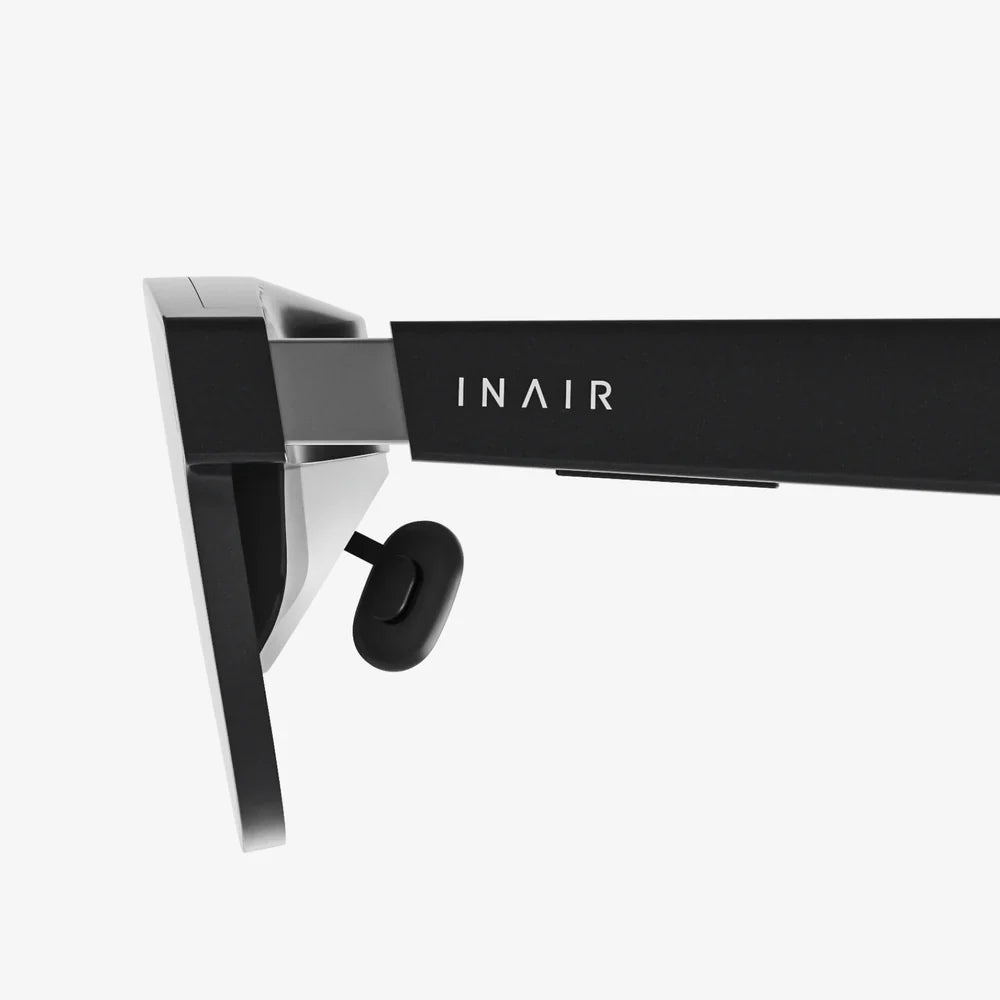
The evolution of AR is accelerating. As hardware becomes more powerful and compact, we are moving towards wearable AR glasses that will offer a truly seamless and hands-free experience. The smartphone has been the perfect breeding ground for this technology, teaching developers what works and training consumers on a new paradigm of interaction. The powerful sensors and processors in our phones will likely act as the brains for these future wearable devices, providing the necessary compute power while the glasses act as the display. The foundational work being done today on AR compatible phones is directly paving the way for the next major computing platform.
Maximizing Your AR Experience
To get the most out of AR on your device, follow these simple tips:
- Good Lighting is Key: AR works best in a well-lit environment. Avoid dark or overly shiny surfaces.
- Start Simple: When placing an object, slowly scan the area first to allow the device to map the space. Keep It Clean: Ensure your camera lens is clean for optimal world tracking. Explore App Stores: Dedicated sections in app stores showcase the best and newest AR experiences across categories like gaming, education, and shopping.
The line between our digital and physical lives is blurring, and it’s being drawn by the powerful technology in AR compatible devices. They have democratized a technology that once required specialized equipment, placing boundless potential in our pockets. From reshaping entire industries to adding a new layer of wonder to our daily routines, augmented reality is no longer a glimpse of the future—it’s a dynamic and accessible tool for reimagining the present. The real world is just the beginning; it’s the layer of digital magic we add that truly transforms our reality.
Share:
Examples of Digital Audio Products That Are Reshaping How We Experience Sound
Benefits of Wearable Gadgets: Transforming Health, Fitness, and Daily Life