


- by wangfred
AR Content Creator: The Architects of Our Blended Reality
- by wangfred
Imagine pointing your device at a blank wall and watching a masterpiece materialize, or seeing a mythical creature perch on your sofa through your screen. This is no longer the stuff of science fiction; it’s the daily reality being built by a new breed of digital pioneers—the AR content creator. These visionaries are the architects of a blended world, crafting experiences that overlay digital information onto our physical surroundings, and in doing so, they are fundamentally altering how we learn, shop, play, and connect. The demand for their unique skills is skyrocketing, making this one of the most exciting and impactful creative fields of the decade. If you've ever wondered who is behind these magical digital layers and how you might become one of them, you're about to dive into the heart of this revolution.
The concept of augmented reality has simmered in popular culture and research labs for decades, but its widespread adoption is a recent phenomenon. The catalyst wasn't a single device but a perfect storm of technological advancement. The proliferation of powerful smartphones with high-resolution cameras, sophisticated sensors, and robust graphics processing units (GPUs) provided the hardware foundation. Simultaneously, breakthroughs in computer vision, machine learning, and spatial mapping software provided the intelligence, enabling devices to understand and interact with the environment in real-time.
This technological convergence created a fertile ground for AR content creators to move from niche experiments to mainstream applications. What began with simple face filters and game characters has exploded into a diverse ecosystem. Now, we see AR used for visualizing furniture in a home before purchase, for interactive learning modules that bring historical figures to life in a classroom, for complex navigation arrows painted onto the road through a car's windshield, and for trying on clothes or glasses from the comfort of one's home. This expansion has created an insatiable appetite for high-quality, engaging, and functional AR content, pushing the creator to the forefront of digital innovation.
An AR content creator is a hybrid—a fusion of artist, programmer, and strategist. Their role is multifaceted, encompassing the entire journey of an AR experience from a nebulous idea to a functional, user-delighting reality.
Every compelling AR experience starts with a strong concept. The creator must ask fundamental questions: What problem does this solve? What emotion does it evoke? How does it enhance the user's reality rather than distract from it? This phase involves extensive research, brainstorming, and crafting a narrative. Storyboarding is crucial, mapping out the user's journey frame-by-frame. It considers the environment where the experience will be used, the user's actions, and how the digital content responds. This is where the creator defines the core interaction—will it be gesture-based, triggered by an image, or placed in a specific location?
At the heart of most AR experiences are 3D models. Unlike a traditional 3D artist working for film or games, an AR creator must be hyper-aware of performance constraints. Models need to be optimized, with careful polygon counts, efficient texture maps, and simplified rigs for animation. The goal is to create assets that are visually impressive but lightweight enough to run smoothly on a mobile device, ensuring accessibility and a seamless user experience. This requires proficiency in industry-standard 3D creation suites for modeling, texturing, and animating digital objects.
This is where the magic truly happens. AR creators use powerful game engines, which have become the de facto standard for building AR experiences. These engines provide the necessary tools to handle rendering, physics, and, most importantly, AR-specific features like plane detection, occlusion (where digital objects hide behind real-world ones), and environmental lighting matching. Proficiency in these engines is non-negotiable. While visual scripting tools have lowered the barrier to entry, a solid understanding of programming principles, particularly languages like C#, is a massive advantage for creating more complex and interactive logic.
AR is inherently contextual. An experience that works perfectly in a well-lit, controlled studio environment might fail miserably in a dimly lit, cluttered room. Rigorous testing across various devices, lighting conditions, and physical spaces is critical. The AR content creator must become a relentless quality assurance tester, identifying tracking issues, interaction bugs, and performance hiccups. This phase is highly iterative, based on user feedback and real-world performance data, constantly refining the experience until it feels robust and magical.
The final step is publishing the experience for users to access, typically through a dedicated app or, more commonly, a web-based AR platform that requires no download. But the creator's job doesn't end at launch. Monitoring analytics to understand user engagement—how long they interact, what actions they take, where they drop off—provides invaluable insights. This data fuels future updates and informs the design of subsequent projects, closing the loop on the development cycle.
To thrive in this field, a diverse and constantly evolving skill set is required.
Mastery of game engines is the cornerstone. Understanding their AR development kits is essential for implementing core functionality. Alongside this, competence in 3D modeling software is crucial for creating and preparing assets. Knowledge of programming, even if just through visual scripting, is needed to create interactivity.
An AR creator must be a champion of the user. This involves a deep understanding of spatial design, interface design for augmented spaces, and intuitive interaction models. The principles of good UX—clarity, feedback, and simplicity—are magnified in AR, where a poorly designed experience can quickly become frustrating or disorienting.
Technology is merely a tool; the true value lies in its application. The best AR creators are compelling storytellers who can conceive of innovative ways to use the medium. They possess a strong artistic eye for composition, color theory, and animation, ensuring the digital elements feel cohesive and believable within the real world.
The path of an AR content creator is not without its obstacles. Technical fragmentation remains a hurdle; creating consistent experiences across the vast array of mobile devices with different capabilities can be difficult. Privacy and ethics are paramount concerns, as AR often requires camera access and processing of environmental data. Creators must be transparent and responsible with user data.
Furthermore, designing for accessibility is critical. Experiences must consider users with different physical abilities and ensure that interactions are inclusive. There's also the constant challenge of discovery—making it easy for users to find and launch AR experiences without friction. Despite these challenges, the industry is rapidly evolving to address them, creating more robust tools and established best practices.
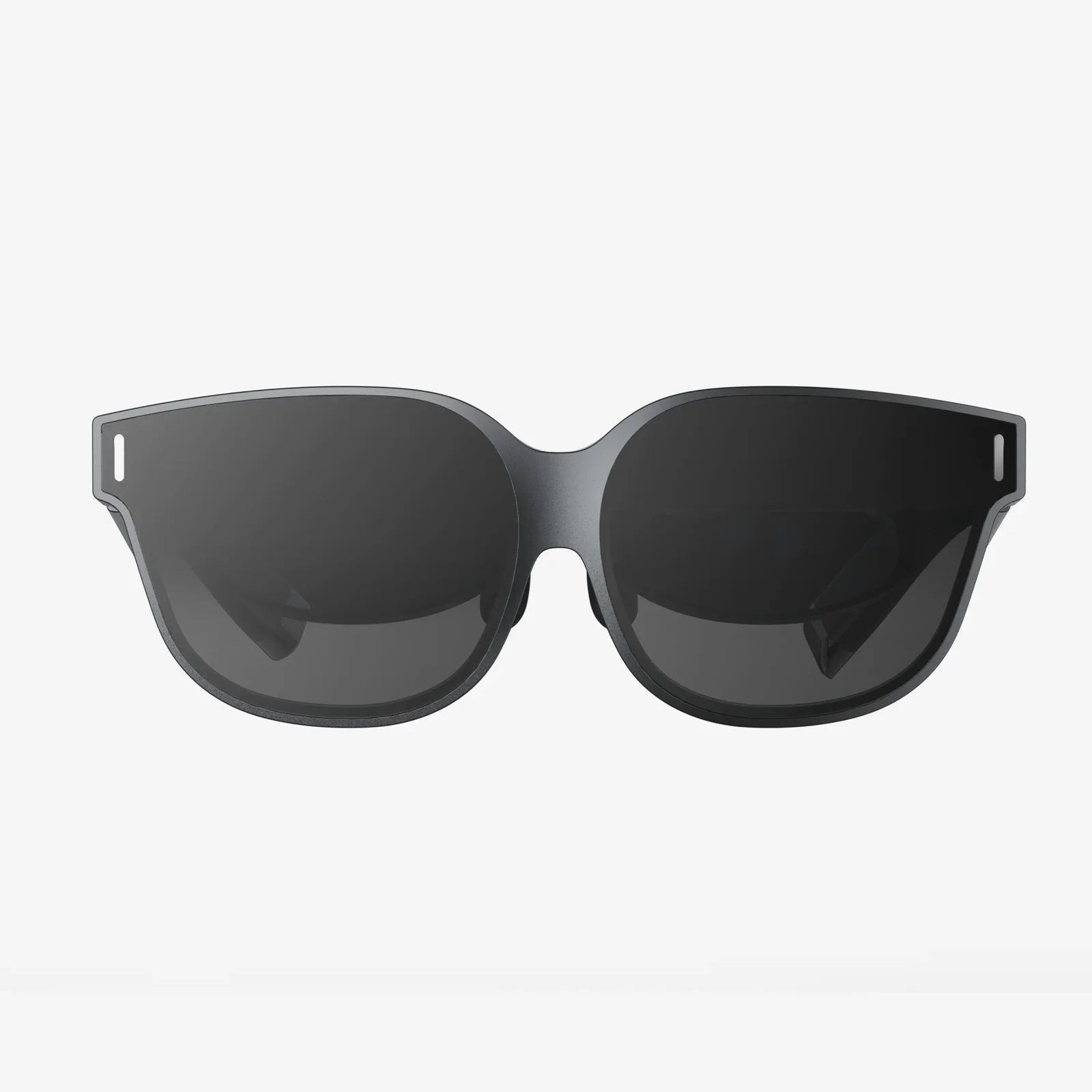
The next frontier for AR is the move beyond handheld screens toward wearable glasses and eventually true augmented reality contact lenses. This shift will be transformative, making AR a persistent layer over our vision and unlocking always-available, context-aware experiences. For the AR content creator, this future is brimming with potential. They will design not just isolated experiences but entire digital ecosystems that interact with our daily lives—intelligent navigation cues integrated into our field of view, real-time language translation overlaid on street signs, and interactive data visualizations floating above conference tables.
This evolution will demand even more from creators, requiring skills in spatial computing, AI integration, and designing for seamless, perpetual usability. The line between the digital and physical will blur into invisibility, and the architects of this new world will be those who can blend technical prowess with profound creative vision. The role of the AR content creator will evolve from building novelties to crafting an integral part of human-computer interaction, defining the very fabric of our augmented future.
You’ve now glimpsed behind the curtain, into the world of those crafting the digital veil over our reality. The tools are here, the platforms are accessible, and the demand has never been higher. Whether you're a 3D artist, a curious developer, or a storyteller looking for a new canvas, the field of augmented reality is a vast, uncharted territory waiting for its pioneers. The next great AR experience won't be built by a giant corporation alone; it will be conceived in the mind of a creator who dares to ask, "What if we could see something here?" and then possesses the skill to make it so. The door to this blended world is open—what will you build?