


Imagine pointing your smartphone at a seemingly ordinary product and watching it spring to life, telling its story, demonstrating its features, or transporting you to another world. This is no longer the stuff of science fiction; it's the tangible, thrilling reality that Augmented Reality (AR) is delivering for forward-thinking brands today. In an increasingly crowded digital landscape, where consumer attention is the ultimate currency, AR experiences for brands have emerged as the most powerful tool to capture imagination, foster deep emotional connections, and fundamentally redefine the customer journey. This immersive technology is breaking down the screen barrier, overlaying digital information onto our physical environment and creating moments of pure, shareable magic that consumers don't just view—they experience and remember.
The New Reality: Why AR is No Longer Optional
The digital marketplace is saturated. Traditional advertising struggles to cut through the noise, and consumers, particularly younger generations, crave authentic, interactive engagement over passive consumption. This is the core problem that AR solves with breathtaking elegance. It shifts the dynamic from a brand talking at a customer to a brand inviting a customer into an experience. It’s a value exchange: the consumer uses their time and device, and the brand delivers utility, entertainment, or wonder.
The statistics are compelling. Studies consistently show that AR campaigns generate significantly higher engagement rates, longer interaction times, and dramatically improved conversion rates compared to non-AR campaigns. Consumers are not only more likely to purchase a product after engaging with it through AR but are also more confident in their purchase decisions, leading to lower return rates. This is because AR effectively addresses a critical hurdle of e-commerce: the inability to touch, feel, and try products. By allowing users to visualize a piece of furniture in their living room, try on a watch or a shade of lipstick, or see how a new car model would look in their driveway, AR bridges the confidence gap, merging the convenience of online shopping with the assurance of physical retail.
Beyond the Gimmick: Strategic Applications of Branded AR
For AR to deliver lasting value, it must be strategically integrated into the broader marketing and customer experience ecosystem. It cannot be a one-off stunt; it must be a strategic tool. Successful implementations typically fall into several key categories.
Try-Before-You-Buy Visualization
This is arguably the most powerful and immediate application of AR for retail brands. It directly tackles the uncertainty of online shopping.
- Home Furnishings and Décor: Users can place true-to-scale 3D models of sofas, tables, lamps, and art directly into their space, walking around them to see how they fit and look from every angle.
- Fashion and Accessories: Virtual try-on mirrors for glasses, jewelry, hats, and makeup allow users to see how an item complements their features and style without ever setting foot in a store.
- Beauty and Cosmetics: Advanced AR can simulate how different shades of foundation, lipstick, or eyeshadow will look on a user's unique skin tone, under different lighting conditions.
Interactive Packaging and Storytelling
Product packaging is transformed from a passive container into an interactive gateway. By scanning a QR code or using a recognized package, users can unlock a wealth of digital content.
- Origin Stories: A scan of a coffee bag could transport the user to the hills of Colombia where the beans were grown, with the farmer telling their story.
- Usage Tutorials: A complex product can come with an interactive AR manual, showing step-by-step assembly or usage instructions overlaid on the physical product.
- Gamified Engagement: Cereal boxes can become gaming portals, and drink cans can unlock exclusive filters or content, driving repeat engagement and fostering brand loyalty with a younger audience.
Immersive Advertising and Campaigns
Outdoor advertisements, print magazines, and posters are no longer static. By scanning them with a smartphone, they can erupt into full-motion video, play music, or offer an exclusive, immersive experience related to the campaign. A movie poster can become a trailer, and a billboard for a sports car can let users place the vehicle on the street in front of them. This creates a profound "wow" factor that is inherently shareable on social media, amplifying the campaign's reach organically.
Virtual Showrooms and Product Configurators
For high-consideration purchases like automobiles or high-end electronics, AR allows brands to create elaborate virtual showrooms. Users can explore every detail of a product, open doors, change colors and materials, and explore features in intricate detail from the comfort of their home. This empowers the customer and elevates the consideration process to an engaging experience rather than a tedious research task.
The Technical Foundation: How to Build an AR Experience
Creating a compelling AR experience requires a thoughtful approach to technology. There are two primary methods for triggering an AR experience, each with its strengths.
Marker-Based AR
This approach uses a specific image or object (the "marker") to trigger the digital overlay. This could be a logo on a poster, a product package, or a specific physical location. The camera recognizes the unique visual pattern of the marker and anchors the digital content to it. This is highly reliable and excellent for ensuring the digital object appears in the correct context.
Markerless AR
This more advanced technique uses SLAM (Simultaneous Localization and Mapping) technology. It allows the device to understand and map the physical environment without a predefined marker. This is what enables users to place a virtual chair on their floor or see how paint would look on their wall. It uses the device's sensors to detect horizontal planes (floors, tables) and depth, allowing for seamless integration of digital objects into the real world.
The development itself can range from using simple, code-free web AR platforms for basic experiences to building custom, native applications using powerful game engines for the most complex and high-fidelity interactions. The choice depends entirely on the campaign's goals, budget, and desired level of immersion.
Measuring Success: Key Metrics for AR Campaigns
Like any marketing initiative, the ROI of AR must be measurable. Fortunately, the digital nature of AR provides a wealth of data.
- Engagement Rate: The percentage of users who open their camera and interact with the experience after seeing the call-to-action.
- Dwell Time: The average amount of time users spend engaged with the experience. A long dwell time indicates high levels of interest and immersion.
- Conversion Rate: The most critical metric for sales-focused campaigns. This measures the lift in purchases directly attributed to the AR experience.
- Social Shares: The number of users who record their screen or take pictures within the AR experience and share them on social media platforms.
- Return Rate Reduction: For try-before-you-buy applications, a key success metric is a measurable decrease in product returns.
The Future is Augmented: What's Next for Brand AR?
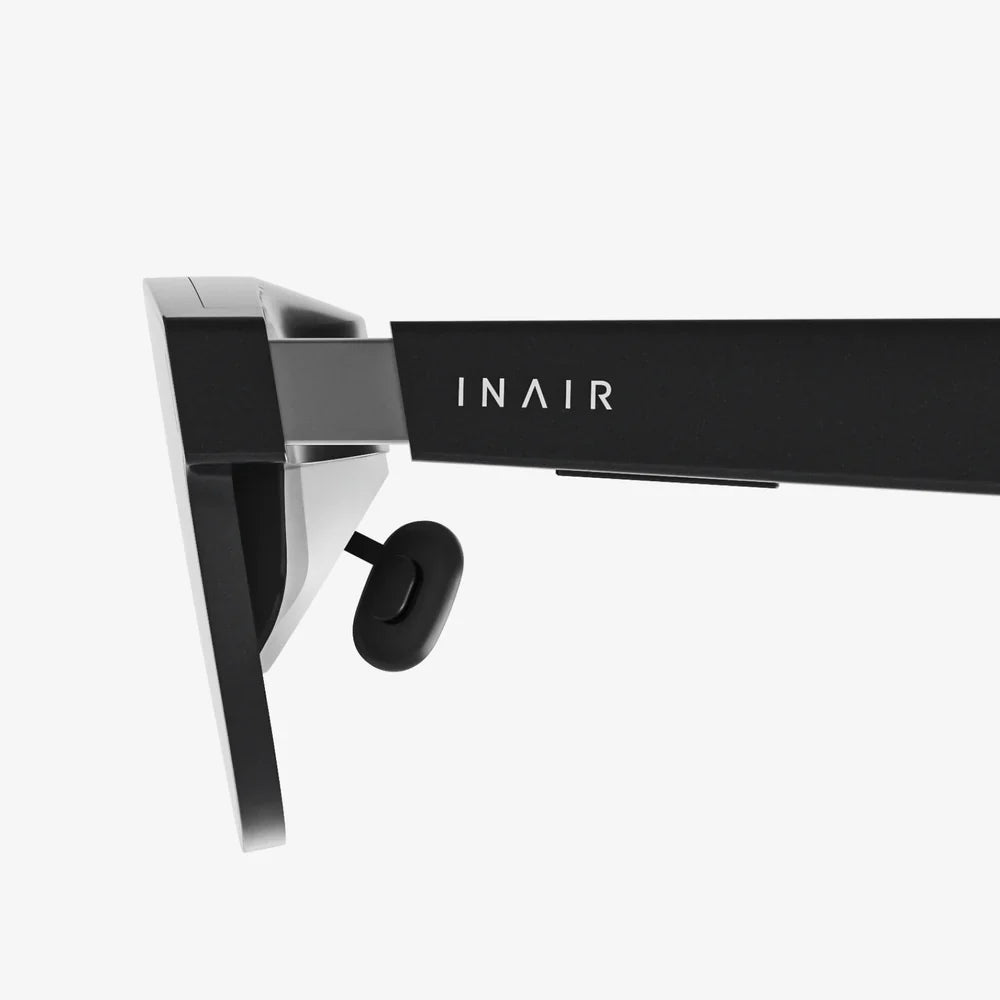
The evolution of AR is accelerating rapidly. The future points toward a world where AR glasses become as ubiquitous as smartphones, making these experiences seamless and hands-free. This will unlock even more powerful applications:
- Persistent AR: Digital content that is permanently anchored to a location, viewable by anyone with AR-enabled devices, creating a layer of shared digital history over our cities.
- Multi-User Experiences: Shared AR spaces where multiple people can see and interact with the same digital objects simultaneously, revolutionizing collaborative design, remote assistance, and social gaming.
- AI-Powered AR: Integration with artificial intelligence will allow AR experiences to become context-aware and predictive, offering information and interactions based on what the user is looking at and what they might need next.
The barrier to entry is lowering, the technology is becoming more sophisticated, and consumer acceptance is at an all-time high. We are moving beyond the novelty phase and into an era where immersive, augmented experiences are an expected part of the brand-customer relationship. The brands that will thrive are those that stop asking if they should invest in AR and start asking how they can use it to deliver unforgettable value and build deeper, more meaningful bonds with their audience. The screen is no longer a boundary—it's a window, and on the other side lies a universe of creative possibility waiting to be explored.
Share:
What Is 3D Reality Manifestation? A Deep Dive Into Shaping Your Existence
Cheap Virtual Reality Headset for iPhone: Your Ultimate Portal to Immersive Tech