


- by wangfred
AR Glasses Beta Testing: A First Look at the Future on Your Face
- by wangfred
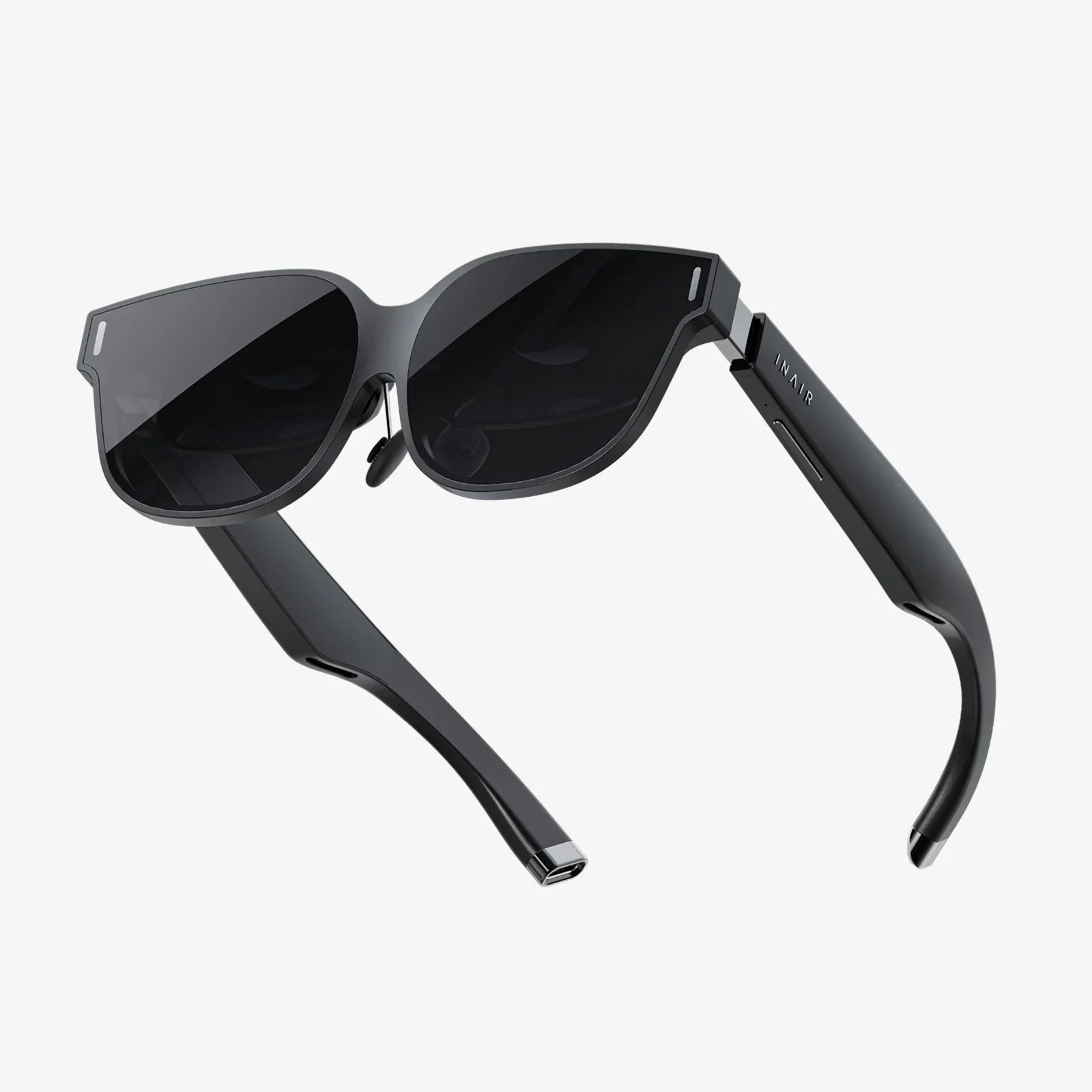
Imagine a world where digital information doesn’t live on a screen in your hand, but floats seamlessly in the space around you. Directions appear as glowing arrows on the sidewalk, a recipe hovers next to your mixing bowl, and a colleague’s 3D model of a new engine part rests on your workshop table. This is the promise of augmented reality (AR) glasses, a technology poised to fundamentally reshape how we work, play, and connect. But before this future becomes a consumer reality, it must pass through a crucial, often unseen, gauntlet: the intense, iterative, and invaluable phase of AR glasses beta testing.
Unlike software that runs on standardized hardware, AR glasses represent a monumental convergence of challenges. They are a complex symphony of advanced optics, miniature displays, spatial audio, powerful processors, sophisticated computer vision algorithms, and precise motion sensors—all packaged into a form factor that must be lightweight, comfortable, and socially acceptable to wear. This complexity makes traditional quality assurance methods insufficient. Beta testing moves the device from the controlled, predictable environment of the engineering lab into the messy, unpredictable real world.
The primary goals of an AR glasses beta testing program are multifaceted:
Becoming a beta tester for AR glasses is not like signing up for a new social media app. It’s a committed partnership, often shrouded in strict Non-Disclosure Agreements (NDAs) to protect intellectual property. The process typically follows a structured path.
Development teams don’t just seek tech enthusiasts; they seek a diverse range of users that mirror their target market. They look for professionals in fields like engineering, medicine, and design who can test enterprise applications, as well as educators, artists, and everyday consumers. Technical aptitude is valued, but so is the ability to provide clear, constructive feedback. A successful applicant is often someone who is observant, articulate, and committed.
Selected testers receive a beta kit. This usually includes the AR glasses prototype itself, which may be bulkier and more tethered than the intended final product, charging cables, and any necessary peripherals. Onboarding involves detailed instructions, safety guidelines (e.g., not using while driving), and training on how to use dedicated feedback channels like bug reporting portals, dedicated forums, or weekly surveys.
The heart of the program is the feedback loop. Testers are encouraged to use the device in their daily lives and report on everything. This goes far beyond “app crashed.” valuable feedback includes:
Development teams often release frequent software updates (OTAs) to address issues, meaning testers might see a bug they reported fixed within days, a incredibly rewarding part of the process.
The path of the beta tester is not always smooth. They are working with pre-production hardware, which can be notoriously unreliable. Common frustrations include short battery life, software instability leading to frequent reboots, and limited functionality compared to marketing visions. Furthermore, the physical design can be uncomfortable for extended wear.
For developers, the challenges are equally daunting. Managing a remote beta test requires significant resources. They must triage thousands of bug reports, distinguishing critical hardware failures from minor software glitches. They have to balance implementing tester-requested features with staying true to their core product vision and timeline. Perhaps the toughest task is interpreting subjective feedback on comfort and usability to make concrete engineering decisions.
AR glasses beta testing raises important ethical questions that must be addressed within the program. These devices often feature always-on cameras and microphones, collecting vast amounts of ambient data. Robust data anonymization and strict privacy policies are paramount to protect not only the tester but also the unsuspecting public around them.
Safety is another major concern. Testers must be rigorously warned against using the devices in situations where divided attention could be dangerous, such as driving or operating machinery. The social implications are also tested. How do people react to someone wearing these glasses in a conversation? Does it feel intrusive? Beta programs provide the first real-world data on social acceptance, guiding not only design but also future marketing and public education strategies.
The influence of a successful beta test reverberates far beyond squashing software bugs. Tester feedback directly shapes:
In essence, the beta test is the final, most important user experience research phase before mass production. It transforms a technological prototype into a product people might actually want to use.
While specific findings are always confidential, the history of technology beta tests gives us hints of what might be learned. Past programs for other devices have revealed issues like "death grip" affecting antenna signals, screens being unreadable in direct sunlight, or batteries failing in cold weather. For AR glasses, common themes in feedback likely revolve around "visual comfort"—getting the digital projections to feel natural and strain-free on the eyes—and "world-locking," ensuring digital objects stay firmly placed in the real world without jittering or drifting. The quest for the perfect balance of immersive field of view and socially acceptable lens size is another holy grail being pursued in these tests.
AR glasses beta testing is the vital bridge between a promising prototype and a polished product. It is a collaborative dance between visionary engineers and pragmatic pioneers, all united by a shared goal: to get the future right. The feedback gathered in these programs, from the most critical bug report to the most enthusiastic piece of praise, is what sands down the rough edges of innovation, ensuring that when this transformative technology finally steps into the spotlight, it’s not just functional—it’s truly ready for its close-up.
You’ve read about the rigorous journey from prototype to product, a process hidden behind NDAs and lab doors. The next time you see a sleek pair of AR glasses unveiled on a global stage, remember the countless hours spent by beta testers in living rooms, workshops, and city streets, their feedback silently woven into every curve of the hardware and every line of code. They are the unsung pioneers who wore the future before it was cool, ensuring that when it finally arrives for everyone, it fits perfectly.
Share:
Interactive Window Screen: The Future of Urban Living and Digital Connection
Virtual Virtual Reality Gear VR APK: Your Portal to Immersive Digital Worlds