


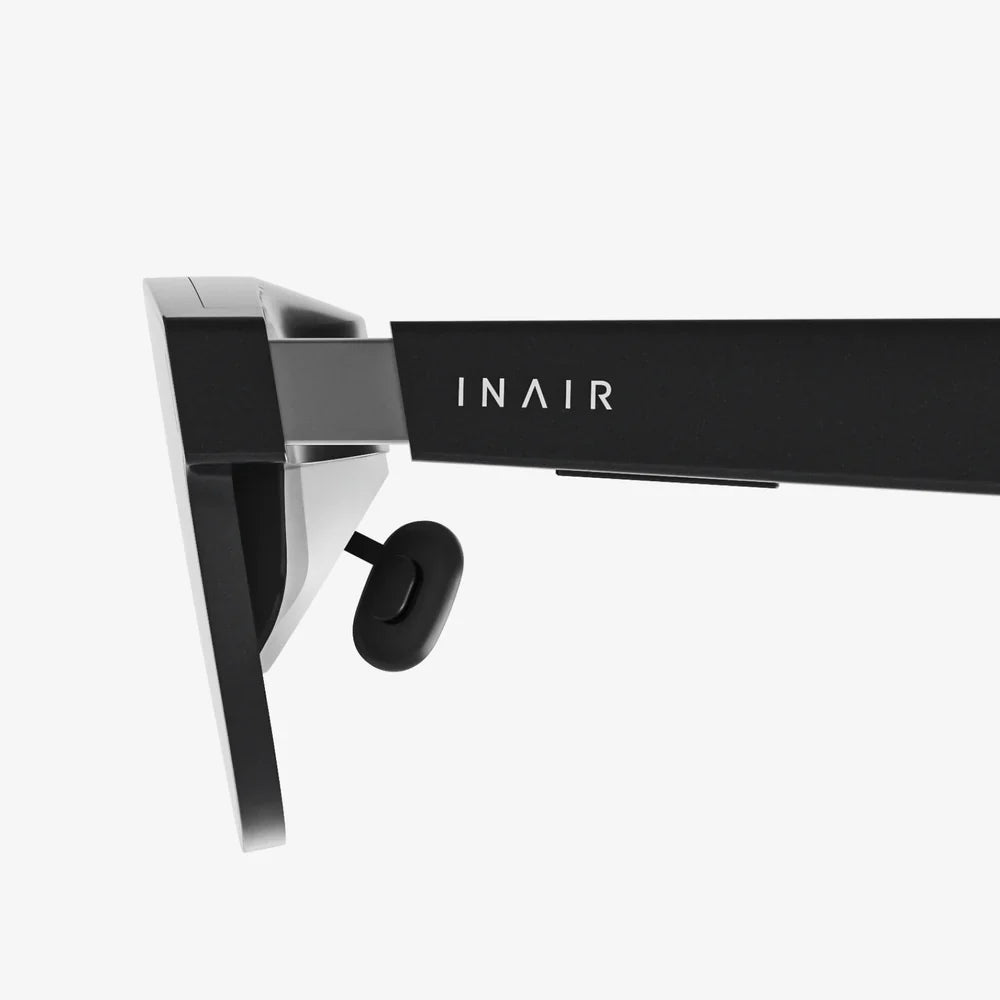
Imagine slipping on a pair of sleek, futuristic AR glasses, only to be met with a blurry digital overlay, a nagging pressure on the bridge of your nose, and a world that feels slightly off-kilter. This frustrating scenario is the direct result of improper fitting, a crucial detail that stands between a gimmick and a genuine window into the augmented world. The journey into spatial computing doesn't begin with the most powerful processor or the brightest display; it begins with how the device conforms to the unique architecture of your face. Achieving the perfect symbiosis between human and machine is the unsung hero of the AR experience, a make-or-break factor that dictates comfort, clarity, and ultimately, whether this technology becomes a seamless part of our lives or collects dust on a shelf.
The Anatomy of a Perfect Fit: More Than Just Comfort
At its core, AR glasses fitting is a multidisciplinary challenge that sits at the intersection of ergonomics, optics, and human physiology. It is not merely about ensuring the device doesn't slip off your head; it's about precisely aligning the complex optical systems with the user's eyes to deliver a stable, clear, and immersive digital experience. A poor fit doesn't just cause discomfort—it fundamentally breaks the illusion and utility of augmented reality.
The key components involved in a proper fit include:
- Interpupillary Distance (IPD): This is the distance between the centers of the pupils of the eyes, measured in millimeters. Every individual has a unique IPD, which can range from as low as 54mm to over 74mm. Optical systems are designed to project images to a specific focal point. If the lenses of the glasses do not align perfectly with the user's IPD, the digital content will appear blurry, distorted, or may even cause eye strain and headaches as the brain struggles to reconcile the misaligned visuals.
- Face Shape and Nose Bridge Anatomy: The contours of a human face are incredibly diverse. The width of the face, the profile of the nose bridge, the height of the cheekbones, and the shape of the temples all play a vital role in how a frame sits. A frame that is too narrow will create excessive pressure on the temples, while one that is too wide will sit unevenly and be prone to slipping. The nose pads must distribute the device's weight evenly without pinching or creating pressure points.
- Weight Distribution: AR devices pack a significant amount of technology—batteries, waveguides, projectors, cameras, and processors—into a small form factor. This can lead to a front-heavy design. A proper fit must account for this weight, using adjustable temples, strategic counterweights, and headbands to balance the load across the head, not just the nose and ears.
- Eye Relief and Field of View: Eye relief refers to the distance between the user's eye and the eyepiece lens. This distance must be optimized to allow users with different facial depths to still see the entire display without vignetting (a black ring around the image). This directly impacts the perceived field of view (FOV), a critical metric for immersion. A poor fit that changes the eye relief can drastically shrink the effective FOV.
The Consequences of Ignoring a Proper Fit
Dismissing the importance of a tailored fit leads to a cascade of negative user experiences that extend far beyond simple annoyance. These consequences are the primary barriers to widespread, daily adoption of AR technology.
The most immediate issue is visual discomfort and fatigue. IPD misalignment forces the user's ocular muscles to work overtime to converge and accommodate, attempting to force the misprojected images into a single, clear picture. This effort leads to symptoms collectively known as vergence-accommodation conflict, resulting in headaches, nausea, and rapid eye strain. Users may find themselves unable to wear the device for more than a few minutes, rendering it useless for productivity or entertainment.
Secondly, improper fit destroys visual fidelity and performance. The dazzling high-resolution displays and advanced optical systems promised by manufacturers are entirely dependent on perfect alignment. A device that slips even a few millimeters will cause the digital content to jitter, drift, or appear out of focus. For enterprise applications—such as a surgeon overlaying a digital guide during a procedure or a mechanic seeing a wiring schematic—this lack of stability is not an inconvenience; it is a critical failure that can have real-world consequences.
Finally, there is the issue of long-term wearability and social acceptance. If a device is physically uncomfortable, causing red marks, pressure sores, or general irritation, people will not incorporate it into their daily routine. Furthermore, a device that is visibly ill-fitting or constantly requiring adjustment looks awkward and undermines the sleek, futuristic aesthetic that the technology aims to project.
Current Solutions and Technological Innovations in Fitting
Recognizing this critical challenge, the industry is developing a range of solutions, from simple mechanical adjustments to sophisticated software-driven systems.
Hardware Adjustments: The First Line of Defense
The most common approach involves building physical adjustability into the hardware itself. This includes:
- Mechanical IPD Sliders: Similar to high-end binoculars or VR headsets, some AR designs incorporate a dial or slider that allows the user to physically move the optical modules closer together or further apart until the image snaps into clarity.
- Interchangeable Nose Pads and Temple Tips: Offering a kit of different-sized silicone nose pads and temple tips allows users to customize the grip and weight distribution to their facial features. Memory foam padding is also becoming popular for its ability to conform to unique shapes.
- Adjustable Temple Arms: Telescoping arms that can be lengthened or shortened ensure the glasses can accommodate different head widths comfortably.
- Optional Stabilization Straps: For active use cases, a simple elastic strap that goes around the back of the head can provide significant stability, preventing slippage during movement.
Software and Calibration: The Digital Tailor
Beyond physical adjustments, software plays an increasingly important role in fine-tuning the experience post-fit.
- Onboarding Calibration Wizards: Upon first use, many systems guide users through a calibration process. This might involve looking at a series of dots to measure IPD digitally or following on-screen prompts to adjust the display until it appears sharp. This software-level correction can compensate for minor physical misalignments.
- Eye-Tracking Assisted Rendering: Advanced eye-tracking sensors can do more than just enable new forms of interaction. They can detect precisely where the user is looking and use foveated rendering—a technique that renders the area of focus in high detail while reducing the rendering load on the periphery. This not only improves performance but also mitigates some perceptual issues caused by a less-than-perfect fit.
- Personalized Profiles: Systems can save individual user profiles, storing their specific IPD, fit preferences, and display calibration settings. This allows multiple users to share a single device while maintaining their optimal experience.
The Future: Bespoke and Adaptive Frames
The future of AR glasses fitting lies in hyper-personalization. We are moving towards a world where 3D facial scanning via a smartphone app could be used to create a perfect digital model of a user's face. This model could then be used to design custom-fitted frames, either through advanced manufacturing like 3D printing or by informing the design of highly adaptable, morphing structures using materials like liquid crystal elastomers that can change shape to fit the wearer perfectly.
A User-Centric Guide to Finding Your Perfect Fit
Until bespoke, shape-shifting glasses are a reality, the onus is on both manufacturers to provide adjustable options and on users to be diligent in their selection and setup. Here is a practical guide for ensuring a proper fit:
- Know Your Measurements: If possible, get your IPD measured. An optometrist can do this precisely, or several mobile apps can provide a reasonably accurate estimate using the phone's camera.
- Prioritize Adjustability: When evaluating devices, treat physical adjustability (IPD sliders, interchangeable nose pads, adjustable arms) as a non-negotiable feature, as important as display resolution or battery life.
- The "Goldilocks" Test: The frame should feel secure without being tight. There should be no single point of excessive pressure. The weight should feel balanced between your ears and nose, not pulling forward.
- Check the Visual Sweet Spot: Put the glasses on and look at text or a high-contrast image. Move your head up, down, and side to side. The image should remain clear and stable without drastic color shifts, blurring, or a shrinking field of view. If you have to strain your eyes to keep the image clear, the fit is wrong.
- Don't Rush Calibration: If the device has a software calibration process, take your time with it in a well-lit, static environment. This is not a step to skip.
- Test Drive for Duration: Wear the glasses for an extended period during a passive activity, like watching a movie. This will reveal pressure points and comfort issues that a brief try-on might miss.
The Broader Implications: Fitting as a Gateway to Adoption
The challenge of AR glasses fitting is not just an engineering puzzle; it is a fundamental human-computer interaction problem. Solving it is the key to moving augmented reality from a niche product for enthusiasts and specific industries into a ubiquitous, always-on companion. A device that fits perfectly disappears on your face, both physically and perceptually. It becomes an effortless extension of your perception, allowing you to engage with digital content as naturally as you do with the physical world.
This seamless integration is the ultimate promise of AR. It enables a future where digital information and experiences are contextually layered onto our reality, enhancing our abilities, aiding our memory, and enriching our interactions. But this future is inaccessible if the gateway—the physical interface itself—is uncomfortable, blurry, and unstable. By treating fit with the same seriousness as computational power and display technology, developers and manufacturers can build trust and comfort, literally and figuratively, paving the way for a world where we no longer look at our devices, but look through them.
Forget the specs sheet for a moment and pick up the frame. The true revolution in augmented reality won't be found in a brighter laser or a smaller chip; it will be felt in the absence of pressure on your nose, the crispness of a hologram perfectly aligned with your world, and the profound comfort of technology that finally, truly, fits you. The difference between a prototype and a product, between curiosity and daily driver, is measured in millimeters and grams—a perfect fit is what will finally close that gap and bring the digital world into focus.
Share:
3D Animation AI Video: The Complete Guide to the Creative Revolution
Should I Buy AR Glasses? The Ultimate Guide to Making Your Decision