


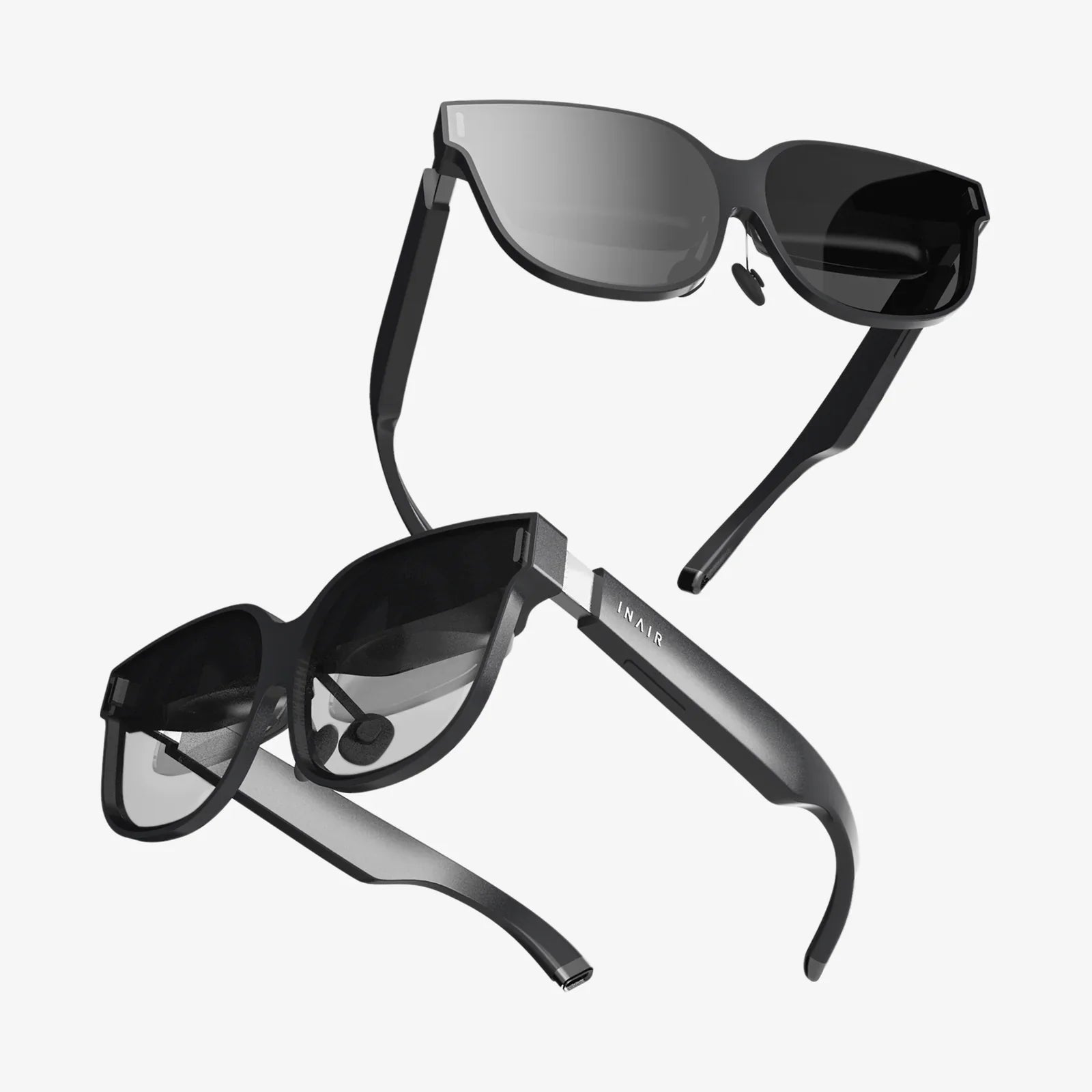
ar glasses malaysia is no longer just a buzz phrase tossed around at tech conferences; it is quickly becoming a doorway into a new way of seeing work, learning, travel, and play. From immersive museum tours in Kuala Lumpur to hands-free industrial guidance in Penang’s factories, augmented reality glasses are quietly transforming daily experiences. If you have ever wondered whether these futuristic spectacles are ready for real life in Malaysia, this deep dive will show you exactly where things stand today and where they are heading next.
What Are AR Glasses and Why They Matter in Malaysia
Augmented reality (AR) glasses are wearable devices shaped like regular spectacles or headsets that overlay digital information onto the real world. Instead of pulling out a phone, you see navigation cues, text, videos, and interactive 3D content directly in your field of view. In Malaysia, where mobile-first usage dominates and digital adoption is high, AR glasses represent the next step beyond smartphones.
Several factors make Malaysia a fertile ground for AR adoption:
- High mobile and internet penetration: Malaysians are already comfortable with apps, QR codes, and digital payments, making the leap to wearable interfaces more natural.
- Government focus on digital transformation: National initiatives around smart cities, Industry 4.0, and digital education create a strong ecosystem for AR experimentation.
- Diverse industries: From manufacturing and oil and gas to tourism and retail, Malaysia’s economy offers varied use cases that benefit from AR overlays and remote assistance.
- Young, tech-savvy population: A large share of the population is open to new tech, gaming, and social media experiences, which aligns well with AR’s strengths.
As these elements converge, ar glasses malaysia is shifting from a niche hobby for enthusiasts into a practical tool that can enhance productivity and entertainment alike.
How AR Glasses Work: Core Technologies Behind the Lenses
To understand why AR glasses are getting so much attention in Malaysia, it helps to know what is happening inside the frames. Although designs vary, most AR glasses share several core components:
- Optical display: Tiny displays project digital images onto transparent lenses or waveguides, making virtual objects appear to float in front of you while you still see the real world.
- Sensors and cameras: Accelerometers, gyroscopes, depth sensors, and cameras track head movement and the environment so that digital content stays anchored to real-world positions.
- Onboard processor: A built-in chip processes graphics, runs AR applications, and handles connectivity, often similar in power to a smartphone processor.
- Connectivity: Wi-Fi and Bluetooth link the glasses to the internet, smartphones, or company servers for real-time data and remote collaboration.
- Audio and microphone: Speakers or bone-conduction audio deliver sound, while microphones enable voice commands and communication.
In a typical Malaysian use case, such as a field technician servicing equipment in Johor Bahru, the glasses might identify a machine, display a step-by-step repair guide overlaid directly on the device, and allow the technician to call a remote expert who sees what they see. The same underlying technologies power educational field trips, interactive retail experiences, and AR-enhanced tourism.
Key Use Cases of AR Glasses in Malaysia
ar glasses malaysia is not just about futuristic demos. The technology is already finding practical applications across sectors.
Education and Training
Malaysian schools, universities, and training centers are exploring AR glasses to make learning more immersive and hands-on:
- STEM lessons: Students can visualize complex 3D models of molecules, circuits, or anatomy directly on their desks, improving comprehension.
- Vocational training: Trainees in automotive repair, welding, or manufacturing can follow AR-guided procedures with real-time feedback, reducing mistakes.
- Remote labs and field trips: AR glasses enable virtual visits to historical sites, factories, or labs, combining physical surroundings with interactive overlays.
In a country where education quality varies by region, AR glasses can help bridge gaps by delivering consistent, highly visual content anywhere there is connectivity.
Industrial and Enterprise Applications
Manufacturing hubs in Selangor, Penang, and Johor are particularly well-positioned to benefit from AR. Common industrial uses include:
- Hands-free work instructions: Workers see assembly steps and safety warnings overlaid on equipment, keeping their hands free and eyes on the task.
- Remote expert assistance: Specialists in Kuala Lumpur can support technicians in distant sites via live video and AR annotations, reducing travel and downtime.
- Quality inspection: AR overlays can highlight areas to inspect, compare real parts to ideal models, and capture data for compliance.
- Warehouse and logistics: Pickers follow visual cues to the correct shelves, speeding up order fulfillment and reducing errors.
For Malaysian companies competing in regional and global markets, these capabilities can translate into higher efficiency, fewer accidents, and lower training costs.
Healthcare and Medical Training
While still emerging, AR glasses have promising applications in Malaysia’s healthcare sector:
- Surgical visualization: Surgeons can see 3D models of organs, blood vessels, or tumor locations aligned with the patient’s body.
- Medical education: Students can practice procedures on virtual overlays before working with real patients.
- Remote consultations: Doctors in urban hospitals can guide rural health workers through complex procedures using shared AR views.
These use cases align with Malaysia’s efforts to improve healthcare access in rural areas and upgrade the capabilities of medical institutions.
Tourism, Culture, and Retail Experiences
Tourism is a major pillar of the Malaysian economy, and AR glasses offer new ways to attract and engage visitors:
- AR heritage tours: At historical sites like Melaka or George Town, AR glasses can bring the past to life with reconstructions, characters, and interactive stories.
- Museum enhancements: Visitors can see artifacts reimagined in their original form, with layered explanations in multiple languages.
- Shopping and retail: Stores can offer virtual try-ons, personalized promotions, and product information that appears when you look at an item.
These experiences can differentiate Malaysia as a tech-forward destination while preserving and highlighting its rich cultural heritage.
Gaming and Entertainment
Malaysia has a vibrant gaming community, and AR glasses open up new possibilities beyond mobile screens:
- Location-based AR games: Players move through real streets while seeing virtual characters, missions, and rewards overlaid on their surroundings.
- Mixed reality esports: Competitive games can blend physical movement with digital effects in arenas or public spaces.
- Interactive events and concerts: Concert-goers might see live lyrics, visual effects, or behind-the-scenes content through their glasses.
As 5G networks expand across Malaysia, low-latency AR gaming will become more viable and engaging.
The Malaysian AR Ecosystem: Infrastructure and Readiness
For ar glasses malaysia to move from pilot projects to mainstream adoption, several ecosystem elements must align. Malaysia is making progress on multiple fronts.
Connectivity and 5G Deployment
AR glasses depend heavily on reliable, high-speed connectivity, especially for cloud processing and real-time collaboration. Malaysia’s 5G rollout, while gradual, is a key enabler:
- Urban coverage: Major cities such as Kuala Lumpur, Putrajaya, and parts of Selangor are seeing early 5G deployments, ideal for high-bandwidth AR use cases.
- Industrial zones: Special economic zones and industrial parks are prime candidates for private 5G networks that support AR-guided operations.
- Rural challenges: Some rural areas still face connectivity limitations, which may slow AR adoption outside urban centers.
As networks improve, AR glasses will be able to offload more processing to the cloud, making devices lighter and more comfortable.
Digital Transformation Policies
National initiatives around digital economy, smart cities, and Industry 4.0 provide a supportive policy environment for AR innovation. These policies encourage:
- Integration of emerging technologies into manufacturing and logistics
- Development of digital skills and STEM education
- Collaboration between universities, startups, and established companies
Such frameworks make it easier for Malaysian organizations to pilot and scale AR solutions, from smart factories to digital tourism experiences.
Local Talent and Content Creation
AR glasses are only as compelling as the content they display. Malaysia benefits from:
- Growing pool of developers: Local developers familiar with 3D modeling, game engines, and mobile apps can transition into AR development.
- Creative industries: Designers, storytellers, and media professionals are well-positioned to craft culturally relevant AR experiences.
- Academic research: Universities are exploring AR in fields such as education, architecture, and engineering, generating prototypes and case studies.
This combination of technical and creative talent is crucial for building AR content that resonates with Malaysian users rather than relying solely on imported experiences.
Types of AR Glasses Available in Malaysia
When people search for ar glasses malaysia, they often encounter a confusing mix of devices. While specific brands are constantly evolving, it helps to classify AR glasses into broad categories.
Consumer AR Glasses
These devices are aimed at everyday users for entertainment, media consumption, and light productivity:
- Companion glasses: Connect to a smartphone to mirror or extend the screen, useful for watching videos or using apps in a more private, immersive way.
- Lightweight AR viewers: Offer basic overlays such as notifications, navigation, and simple AR experiences while focusing on comfort and style.
In Malaysia, these glasses appeal to early adopters, gamers, and professionals interested in future-of-work tools.
Enterprise and Industrial AR Headsets
These are more robust devices designed for demanding work environments:
- Ruggedized headsets: Built to withstand dust, moisture, and impacts in factories, construction sites, and oil and gas facilities.
- Advanced optical systems: Provide wider fields of view and more precise tracking for complex tasks like assembly, inspection, or surgical assistance.
Malaysian enterprises evaluating AR for operations typically start with pilot projects using such devices, often in collaboration with system integrators or local tech partners.
Mixed Reality and VR-AR Hybrids
Some headsets blend full virtual reality with pass-through cameras to simulate AR experiences. While bulkier than glasses, they can be useful in controlled environments:
- Immersive training simulations for dangerous or expensive scenarios
- Architectural and engineering visualization
- Design reviews and collaborative 3D modeling
As these hybrid devices become lighter and more comfortable, they may find broader use in Malaysian design studios, universities, and corporate training centers.
Practical Buying Guide for AR Glasses in Malaysia
If you are considering joining the ar glasses malaysia wave, it is important to choose a device that matches your needs and budget. Here are key factors to consider.
1. Primary Use Case
Start by clarifying what you actually want to do with AR glasses:
- Entertainment and media: Look for comfort, display quality, and compatibility with your smartphone or laptop.
- Productivity and remote work: Prioritize text clarity, multitasking capabilities, and good microphones for calls.
- Industrial use: Focus on durability, hands-free operation, and integration with enterprise software.
- Education and training: Consider content availability, ease of use, and support for classroom management tools.
Being clear about your main purpose will narrow down your options significantly.
2. Comfort and Design
AR glasses are meant to be worn for extended periods, so comfort is critical:
- Check the weight and how it is distributed across nose and ears.
- Look for adjustable nose pads and temples to fit different face shapes.
- If you wear prescription lenses, confirm whether the glasses support inserts or can be worn over your glasses.
In Malaysia’s warm and humid climate, ventilation and sweat resistance also matter, especially for outdoor use.
3. Display Quality and Field of View
Display characteristics directly affect how immersive and usable AR feels:
- Resolution: Higher resolution means sharper text and more detailed visuals.
- Brightness: Important for outdoor use under strong sunlight.
- Field of view: A wider field of view allows more digital content to appear in your vision without feeling cramped.
For professional applications such as design review or complex assembly, investing in better optical performance can significantly improve usability.
4. Battery Life and Charging
Battery life determines whether AR glasses are a novelty or a serious tool:
- Check typical usage time on a single charge and how it changes with heavy tasks like video streaming.
- Consider whether the glasses support fast charging or swappable batteries for industrial environments.
- Look at the charging method: USB-C is convenient; proprietary docks may be better for shared enterprise use.
For daily commuting or field work in Malaysia, a device that lasts a full workday or can be quickly topped up is ideal.
5. Software Ecosystem and Apps
Hardware matters, but without useful apps, AR glasses will gather dust:
- Check available AR apps for your sector, such as remote assistance, training, or visualization tools.
- Verify integration with common platforms used in Malaysia, such as video conferencing, productivity suites, and learning management systems.
- For enterprise use, confirm that the device supports custom app development and deployment.
In education and tourism, localized content in English, Malay, and other relevant languages will be especially important.
6. Support, Warranty, and Local Services
Given that AR glasses are still a developing category, after-sales support is crucial:
- Check if there are authorized service centers in Malaysia.
- Understand warranty terms, including coverage for lenses, sensors, and headbands.
- For enterprises, ask about training, deployment assistance, and technical support.
Strong local support can reduce downtime and make experimentation with AR less risky.
7. Budget and Total Cost of Ownership
AR glasses range from relatively affordable consumer devices to premium enterprise headsets. When budgeting, consider:
- Initial device cost per user
- Licensing fees for software and cloud services
- Content creation or customization costs
- Training and change management for staff
For Malaysian organizations, pilot projects with a limited number of devices can help validate the return on investment before scaling up.
Challenges Facing AR Glasses Adoption in Malaysia
Despite the excitement around ar glasses malaysia, several obstacles stand between early experiments and widespread adoption.
Cost and Accessibility
High-end AR glasses remain relatively expensive, especially for individuals and small businesses. While prices are gradually falling, cost is still a barrier for:
- Public schools and smaller private institutions
- Small and medium-sized enterprises
- Consumers outside major urban centers
Creative financing models, government grants, and shared device pools may help mitigate this issue over time.
Comfort, Style, and Social Acceptance
Many people are still self-conscious about wearing visible tech on their faces in public. Common concerns include:
- Bulky designs that stand out in social settings
- Eye strain or discomfort after prolonged use
- Uncertainty about etiquette, such as whether recording is happening
As designs become more discreet and closer to regular eyewear, and as Malaysians see AR glasses used more often in daily life, social acceptance is likely to grow.
Privacy and Security Concerns
AR glasses often include cameras and microphones, raising legitimate privacy questions:
- People may worry about being recorded without consent in public or workplaces.
- Companies must ensure that captured video and data are securely stored and transmitted.
- Regulations and company policies need to address where and how AR devices can be used.
For Malaysia, balancing innovation with privacy protections will be an ongoing conversation involving regulators, businesses, and the public.
Content Localization and Language
AR experiences are most engaging when they reflect local culture and languages. Challenges include:
- Limited AR content tailored specifically for Malaysian history, geography, and curricula.
- Need for multilingual support in English, Malay, and other languages used in Malaysia.
- Resource constraints for local developers and educators to create high-quality AR content.
Partnerships between content creators, educators, and technology providers can help accelerate localization efforts.
Future Trends: Where AR Glasses in Malaysia Are Heading
Looking ahead, several trends will shape the evolution of ar glasses malaysia over the next five to ten years.
Lighter, More Stylish Designs
Advances in optics, batteries, and processors will allow AR functionality to fit into frames that look almost like regular glasses. This will:
- Increase comfort for all-day wear
- Make AR glasses more socially acceptable in offices, campuses, and public spaces
- Encourage integration with prescription lenses for everyday use
When AR glasses no longer look like gadgets, adoption in Malaysia’s offices, cafes, and universities will accelerate.
Deeper Integration with Everyday Apps
AR glasses will increasingly act as a new interface for services Malaysians already use daily:
- Navigation overlays for walking, driving, and public transport
- Real-time translation of signs and conversations
- Contextual notifications that appear only when relevant
Instead of constantly checking a smartphone, users will receive subtle, glanceable information that blends into their surroundings.
Growth of AR in Education and Skills Development
Malaysia’s focus on upskilling and lifelong learning aligns well with AR’s strengths. Expect to see:
- More AR-enhanced curricula in science, engineering, and vocational training
- Corporate training programs using AR simulations for safety, maintenance, and customer service
- Government-backed initiatives to deploy AR in selected schools and training centers
These developments can help Malaysian workers adapt to rapidly changing job requirements in a digital economy.
AR-Enabled Smart Cities and Tourism
As smart city projects mature, AR glasses can become a natural part of urban experiences:
- City navigation layered with real-time information about traffic, events, and public transport
- Interactive tourism trails that tell stories of local neighborhoods and heritage sites
- Citizen engagement tools that visualize development plans or environmental data in context
For visitors and residents alike, AR can make cities feel more understandable, accessible, and engaging.
How Malaysians Can Start Exploring AR Glasses Today
If the idea of ar glasses malaysia has captured your imagination, you do not have to wait for the distant future to get involved. There are practical steps you can take right now.
For Individual Users
- Try demo units: Look for tech fairs, pop-up events, or showrooms where you can experience AR glasses firsthand.
- Experiment with mobile AR: Use AR apps on your smartphone as a low-cost way to understand AR interactions and possibilities.
- Follow local communities: Join online groups or meetups focused on AR, VR, and gaming to learn from early adopters.
This hands-on exposure will help you decide whether AR glasses fit into your lifestyle or work.
For Educators and Institutions
- Start with pilot projects: Introduce AR activities in a few classes or labs before scaling up.
- Collaborate with local developers: Partner with universities, startups, or independent creators to build localized educational content.
- Train teachers and facilitators: Ensure educators are comfortable with the technology so they can guide students effectively.
Even small-scale experiments can reveal where AR adds the most value in your curriculum or training programs.
For Businesses and Enterprises
- Identify high-impact use cases: Focus on tasks where AR can clearly improve safety, speed, or accuracy.
- Run controlled trials: Use AR glasses with a small group of workers and measure performance changes before wider deployment.
- Work with system integrators: Engage local technology partners who understand both AR and your industry to design end-to-end solutions.
By treating AR as a strategic tool rather than a novelty, Malaysian businesses can gain a competitive edge and prepare for more automated, data-driven operations.
Why ar glasses malaysia Is Worth Watching Closely
As digital transformation accelerates across the country, ar glasses malaysia stands out as one of the most intriguing shifts in how Malaysians will interact with information. These devices promise more than flashy graphics; they offer a new layer of intelligence over everyday reality, from guiding a technician through a complex repair to turning a walk through a heritage district into an interactive story.
While challenges remain in cost, comfort, and content, the momentum is unmistakable. Connectivity is improving, local developers are experimenting, and enterprises are beginning to see tangible benefits from hands-free, context-aware tools. For individuals, educators, and businesses willing to explore, AR glasses represent a chance to be early participants in a transformation that could rival the impact of smartphones.
If you are curious about where Malaysia’s next wave of innovation will appear, keep your eyes on the frames people are starting to wear. The future of work, learning, and entertainment may soon be sitting right on the bridge of your nose, and understanding ar glasses malaysia today puts you one step ahead of what is coming tomorrow.
Share:
Prescription AR Safety Glasses For Safer, Smarter Work And Play
Prescription AR Safety Glasses For Safer, Smarter Work And Play