


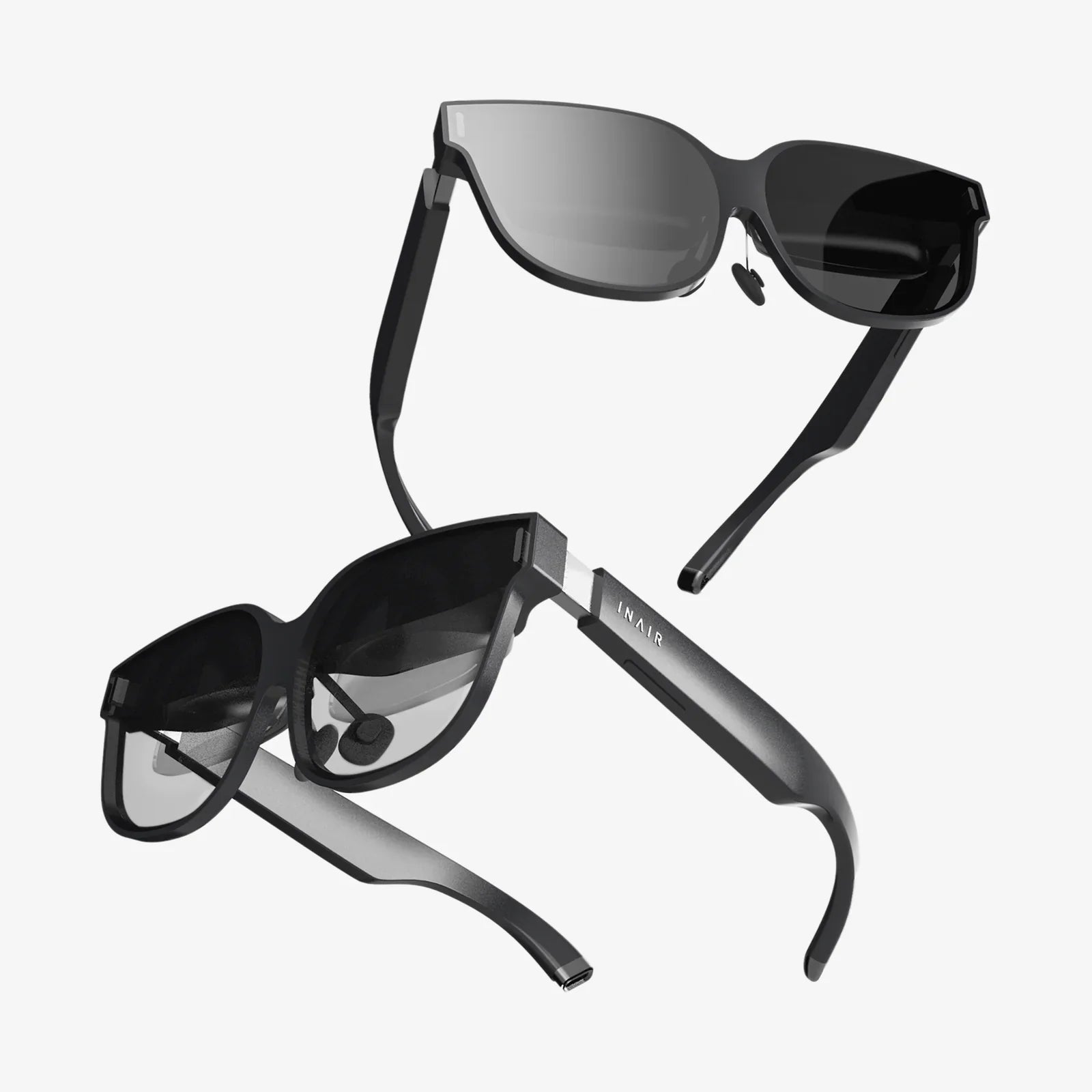
Imagine walking through the historic streets of George Town, and with a simple glance, seeing its colonial-era buildings spring to life, their stories narrated and their histories visually unfolding right before your eyes. Or picture a technician in a high-tech manufacturing facility in Selangor, whose hands are free to repair complex machinery while digital schematics and real-time data are seamlessly overlaid onto their field of vision. This is no longer the stuff of science fiction; it is the rapidly materializing promise of Augmented Reality (AR) glasses, a technological wave that is beginning to crest across Malaysia, poised to redefine how we work, learn, play, and connect with the world around us.
The Foundation: Understanding Augmented Reality Glasses
Before delving into the Malaysian context, it is crucial to distinguish AR glasses from their technological cousins. Unlike Virtual Reality (VR) headsets, which transport users to a completely digital, immersive environment, AR glasses—also known as smart glasses or optical see-through head-mounted displays—superimpose digital information, such as images, text, and 3D models, onto the user's real-world view. The user remains present in their physical environment but enhanced with a layer of interactive, contextual data.
The core technologies enabling this magic include:
- Micro-displays: Tiny, high-resolution screens, often using OLED or LCoS technology, that project the digital imagery.
- Waveguides: Sophisticated optical components (often made of glass or plastic) that bend light from the micro-displays into the user's eye, creating the illusion that the digital content exists in the real world.
- Sensors: A suite of sensors including cameras, accelerometers, gyroscopes, and depth sensors that map the physical environment and track the user's head and eye movements to anchor digital content accurately.
- Processing Unit: The onboard computer that powers the experience, which can be housed within the glasses themselves or tethered to a smartphone or a small wearable computer.
This blend of hardware and sophisticated software creates a powerful tool for contextual computing, moving interactions beyond the confines of a phone or desktop screen and into the three-dimensional space we inhabit.
The Malaysian Landscape: A Fertile Ground for Adoption
Malaysia's journey with AR glasses is not happening in a vacuum. It is being shaped by a unique confluence of national initiatives, a dynamic economic structure, and a digitally savvy population. The government's steadfast push towards Industry 4.0, encapsulated in policies like the National Policy on Industry 4.0 (Industry4WRD), has created a top-down impetus for manufacturing and industrial sectors to adopt smart technologies, including augmented reality, to enhance productivity, training, and maintenance.
Simultaneously, Malaysia's robust digital infrastructure, with some of the region's highest smartphone penetration rates and widespread 5G rollout in urban centers, provides the essential connectivity backbone that high-performance AR applications require. This tech-literate base, particularly within the younger demographic, is increasingly comfortable with adopting new digital interfaces, making the country a fertile testing ground for immersive technologies.
The local ecosystem is also responding. A growing number of tech startups and software development houses in Kuala Lumpur, Penang, and Iskandar Puteri are pivoting to specialise in AR content creation and enterprise solutions. These homegrown developers are crucial, as the true value of AR glasses lies not in the hardware alone but in the software and applications built for them, tailored to solve local problems and cater to Malaysian industries.
Transforming Enterprise and Industry
The most significant and immediate impact of AR glasses in Malaysia is occurring within the enterprise and industrial sectors. The return on investment here is clear, tangible, and compelling, driving rapid adoption.
Manufacturing and Logistics
In manufacturing hubs across Selangor and Penang, AR glasses are revolutionising assembly lines and quality control processes. Workers equipped with these devices can receive real-time, hands-free instructions overlaid directly on the components they are assembling. This reduces errors, slashes training time for new employees, and significantly boosts efficiency. In sprawling warehouses, logistics personnel use AR glasses for order picking; the device visually guides them to the correct items, displays quantity information, and confirms picks, dramatically improving accuracy and speed.
Field Service and Maintenance
For technicians maintaining everything from telecommunications infrastructure to industrial HVAC systems, AR glasses are a game-changer. A remote expert can see what the on-site technician sees through a live video feed and can annotate the technician's real-world view with arrows, circles, and notes, guiding them through complex repairs without needing to be physically present. This "see-what-I-see" remote assistance minimises equipment downtime, reduces travel costs for specialists, and empowers less-experienced technicians to resolve issues beyond their usual expertise.
Healthcare and Medical Training
The Malaysian healthcare sector is beginning to explore the profound applications of AR. Medical students can use AR glasses to overlay anatomical models onto mannequins or even each other, providing an immersive, interactive learning experience far superior to static textbooks. Surgeons can have vital patient statistics, ultrasound data, or 3D surgical plans projected within their line of sight during procedures, allowing them to maintain focus without constantly glancing away at separate monitors.
Unleashing Creativity and New Media
Beyond the factory floor and hospital, AR glasses hold immense potential for Malaysia's vibrant creative and cultural industries.
Interactive Tourism and Cultural Heritage
Malaysia's rich cultural tapestry and diverse tourism offerings present a perfect canvas for AR. Imagine visitors at the Batu Caves or the Melaka Sultanate Palace wearing AR glasses. They could witness historical reenactments, see virtual restorations of ruins, or have interactive guides appear to explain exhibits in engaging, multi-sensory ways. This technology can transform static tours into dynamic, unforgettable experiences, adding a new dimension to the country's tourism value proposition.
Architecture, Engineering, and Construction (AEC)
For architects and developers, AR glasses allow clients to "walk through" a 3D holographic model of a building long before the foundation is even poured. They can visualise spatial relationships, assess material choices, and make design changes in real-time, all within the intended physical space. On construction sites, engineers can overlay digital blueprints onto the actual structure to verify alignment and identify potential clashes between systems, preventing costly errors and rework.
Navigating the Challenges: The Path Forward for AR Glasses in Malaysia
Despite the exciting potential, the widespread adoption of AR glasses in Malaysia faces several significant hurdles that must be addressed.
- Cost and Accessibility: High-end, fully-featured AR glasses remain a significant capital investment, primarily placing them in the domain of enterprises rather than individual consumers. Making the technology more affordable is key to mainstream adoption.
- Technical Limitations: Challenges persist with battery life, field of view (the size of the digital overlay), computing power, and achieving comfortable, all-day wear designs. These are active areas of innovation globally.
- Content and Ecosystem Development: The hardware is useless without a rich library of applications. Fostering a strong local developer community to create relevant, Malaysian-centric content is paramount.
- Social and Privacy Concerns: The always-on cameras and sensors raise legitimate questions about privacy and data security. Furthermore, the social etiquette of wearing such devices in public spaces is still undefined and may face initial resistance.
- Digital Literacy and Training: For businesses to adopt this technology, they must invest not only in the hardware but also in comprehensive training programs to upskill their workforce to use it effectively.
The Future is Augmented: What Lies Ahead
The trajectory for AR glasses is one of relentless miniaturisation, increased capability, and eventual convergence with everyday eyewear. The futuristic vision of lightweight, stylish glasses that seamlessly blend our digital and physical lives is steadily approaching. For Malaysia, this presents an unparalleled opportunity.
We can anticipate a future where:
- AR glasses become as ubiquitous as smartphones, serving as our primary interface for information.
- Language barriers dissolve with real-time translation subtitles overlaid onto signs and conversations.
- Personalised navigation cues are painted onto the streets, guiding us effortlessly through complex urban environments.
- Remote collaboration feels as natural as being in the same room, with 3D holograms of colleagues collaborating on virtual models.
Malaysia, with its strategic focus on digital economy and innovation, is well-positioned to not just adopt this future but to help shape it. By supporting local innovation, addressing adoption barriers, and encouraging development across industries, Malaysia can ensure that as this new reality dawns, it is one that enhances human potential, drives economic growth, and celebrates the nation's unique identity. The view through the lenses of tomorrow is bright, interconnected, and limited only by our imagination.
The digital and physical worlds are on a collision course, and the resulting fusion will redefine reality itself—Malaysia's tech pioneers, forward-thinking enterprises, and creative minds are already trying on the glasses that will let them see this new world first, offering a glimpse into an future where information isn't something you go to find on a screen, but something that finds you, contextually and seamlessly woven into the very fabric of your daily life.
Share:
what is adaptive ai and why it will transform everyday life
AI VR-Powered Software Tool: The Next Frontier in Human-Computer Interaction