


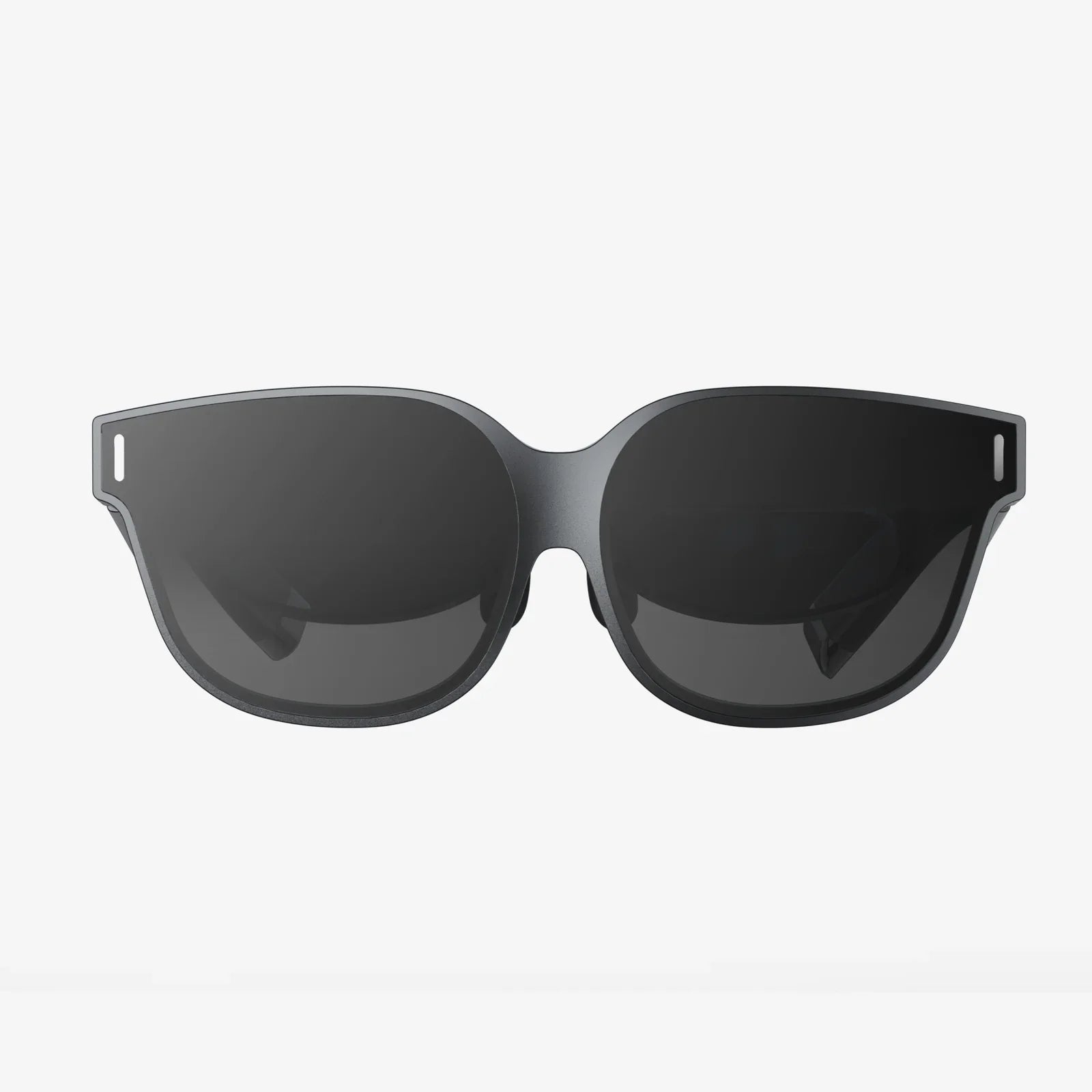
The digital horizon is shifting, and a new lens is being placed over our reality. By 2025, the once-futuristic concept of augmented reality, seamlessly integrated into our daily lives through sleek, powerful glasses, is forecast to move decisively from niche prototype to mainstream catalyst. The AR glasses market is not merely growing; it is on the cusp of a tectonic transformation, promising to redefine how we work, connect, learn, and interact with the world around us. This is not just another tech trend; it is the foundation of the next computing platform.
The Engine of Growth: Enterprise Adoption Leads the Charge
While consumer applications capture the imagination, the most significant and immediate growth in the AR glasses market through 2025 will be fueled by enterprise and industrial adoption. Businesses are recognizing the profound return on investment that AR smart glasses deliver in operational efficiency, training, safety, and remote collaboration.
In sectors like manufacturing and logistics, AR glasses are revolutionizing workflows. Technicians on the assembly line can have schematics, torque specifications, and instructional videos overlaid directly onto the machinery they are servicing, freeing their hands and drastically reducing errors and training time. Warehouse pickers can be guided by visual cues through the most efficient routes, with item locations and quantities displayed in their field of view, accelerating fulfillment speeds by remarkable margins.
The field service industry is being similarly transformed. A specialist located thousands of miles away can see exactly what a field technician sees through their glasses, annotate the real-world view with arrows, notes, and diagrams, and guide them through a complex repair procedure in real-time. This "see-what-I-see" capability eliminates costly return visits and reduces equipment downtime.
Healthcare represents another frontier for massive growth. Surgeons can have vital signs, 3D anatomical models from pre-op scans, and critical monitoring data displayed without looking away from the operating field. Medical students can learn complex procedures through immersive, interactive overlays. The potential to improve patient outcomes and enhance medical training is immense, driving significant investment in this segment.
Convergence and Consumerization: The Path to Mainstream
The journey to the consumer's face is a more complex one, but the trajectory is clear. For AR glasses to achieve mass-market success by 2025, they must overcome the twin hurdles of form factor and functionality. The market is evolving from bulky, tethered headsets towards lightweight, standalone glasses that people would be willing to wear all day.
A critical driver will be the convergence of AR glasses with the smartphone ecosystem. Rather than replacing our phones overnight, the next generation of glasses will act as a companion device—a spatially-aware display that offloads notifications, maps, and simple interactions from our pockets to our eyes, offering a more seamless and contextually relevant experience. This symbiotic relationship will be a key stepping stone to full adoption.
Content is, as always, king. The development of a robust and engaging software ecosystem is paramount. This includes everything from AR-native social media filters and gaming experiences to practical applications like real-time translation subtitles overlaying a conversation or navigation arrows painted onto the street. As developers harness the power of these new platforms, the value proposition for consumers will become undeniable.
Technological Leaps: The Hardware Revolution
The ambitious forecasts for the AR glasses market in 2025 are underpinned by rapid advancements in several core technologies that are solving historical bottlenecks.
Waveguide and Display Technology: At the heart of any AR glasses is the optical engine. Waveguide technology, which pipes light from a micro-display to the eye, is advancing rapidly, allowing for thinner, lighter, and more efficient lenses with wider fields of view. Innovations in micro-LED displays promise brighter images with lower power consumption, which is crucial for all-day battery life.
Processing Power and 5G: The computational demands of overlaying persistent digital content onto the real world are immense. The proliferation of more powerful, energy-efficient chipsets designed specifically for AR workloads is critical. Furthermore, the rollout of high-speed, low-latency 5G networks will enable complex processing to be offloaded to the cloud (a concept known as cloud rendering), reducing the hardware burden on the glasses themselves and enabling incredibly rich, detailed experiences.
Spatial Computing and Computer Vision: For digital objects to feel truly anchored in the real world, the device must understand its environment. Breakthroughs in simultaneous localization and mapping (SLAM), depth sensing via LiDAR and other sensors, and AI-driven object recognition are creating a new layer of reality—a spatial web where digital and physical coexist. This allows virtual objects to occlude behind real-world furniture or a digital pet to convincingly climb onto your actual sofa.
Navigating the Obstacle Course: Challenges to Overcome
The path to 2025 is not without its significant hurdles. For the market to reach its full potential, several challenges must be addressed.
Battery Life: This remains one of the most stubborn obstacles. Delivering a full day of use on a single charge with a powerful processor, bright displays, and constant sensor input requires fundamental improvements in battery energy density and power management. Until this is solved, all-day wearability remains a goal rather than a reality.
Social Acceptance and Design: Technology must be fashionable, or at least inconspicuous, to be adopted en masse. Early adopters may tolerate a geeky aesthetic, but the mainstream market will not. The industry must produce glasses that are indistinguishable from or even more desirable than traditional eyewear. Social norms around wearing computers on our faces in public spaces also need to evolve, a process that will take time.
The Privacy Paradox: AR glasses, with their always-on cameras and sensors, represent a privacy challenge of unprecedented scale. The potential for unauthorized recording, data collection, and facial recognition raises serious ethical and legal questions. The industry must proactively establish clear, transparent, and user-centric privacy frameworks. Features like physical camera shutters, clear recording indicators, and robust data anonymization will be non-negotiable for gaining public trust.
A Glimpse into 2025: The Evolving Market Landscape
By 2025, the market will likely be characterized by a stratified ecosystem. We will see a range of devices catering to different needs and price points:
- Enterprise-Grade Devices: Rugged, feature-packed glasses focused on specific vertical applications with a higher price point justified by their ROI.
- Premium Consumer Glasses: Stylish, high-performance devices from leading tech companies, offering the full suite of spatial computing experiences.
- Companion Viewers: More affordable, lightweight glasses designed primarily for notification display, basic AR interactions, and acting as a secondary screen for a smartphone.
The competitive landscape will be fierce, encompassing tech giants, specialized AR hardware firms, and potentially new entrants. This competition will be the primary driver of innovation, pushing the boundaries of what's possible while simultaneously driving down costs.
The Ripple Effect: Societal and Economic Impact
The rise of the AR glasses market will have repercussions far beyond the technology sector itself. It will fundamentally alter the digital economy, creating new industries and disrupting existing ones.
New forms of digital commerce will emerge. Imagine trying on virtual clothing that drapes and moves with your body, or placing a true-to-scale 3D model of a new sofa in your living room to see if it fits and matches your decor before you buy. The "try-before-you-buy" concept will be supercharged, reducing return rates and enhancing consumer confidence.
The way we access information will become contextual and instantaneous. Instead of searching for a restaurant's reviews on your phone, you could simply look at it and see ratings, the menu, and today's specials floating beside the entrance. Historical sites could come alive with recreations of past events unfolding around you. This ambient computing paradigm will make information an integrated part of our reality, not something we retreat to a screen to find.
Furthermore, AR has the potential to bridge physical distances in a more meaningful way than video calls. Remote collaboration could involve interacting with shared 3D models or having a colleague's digital avatar appear in your workspace to point things out, creating a stronger sense of presence and togetherness.
The AR glasses market of 2025 represents more than a product category; it is the gateway to a spatially aware internet, a new medium for human expression, and a tool that will augment human potential in ways we are only beginning to imagine. The companies, developers, and policymakers who understand this shift today will be the ones shaping our reality tomorrow.
Imagine a world where your entire digital life—your work, your social connections, your entertainment—is no longer confined to a slab of glass in your hand but is instead woven into the very fabric of your perception. The data, the investments, and the relentless pace of innovation all point to one inevitable reality: by 2025, the way we see the world will be forever changed, and the device that enables it will be perched on the bridge of your nose. The race to own your field of view is already underway, and the stakes have never been higher.
Share:
Building Inconspicuous AR Glasses The Future of Wearable Tech
Image Zoom Without Quality Loss: The Ultimate Guide to Perfect Enlargement