


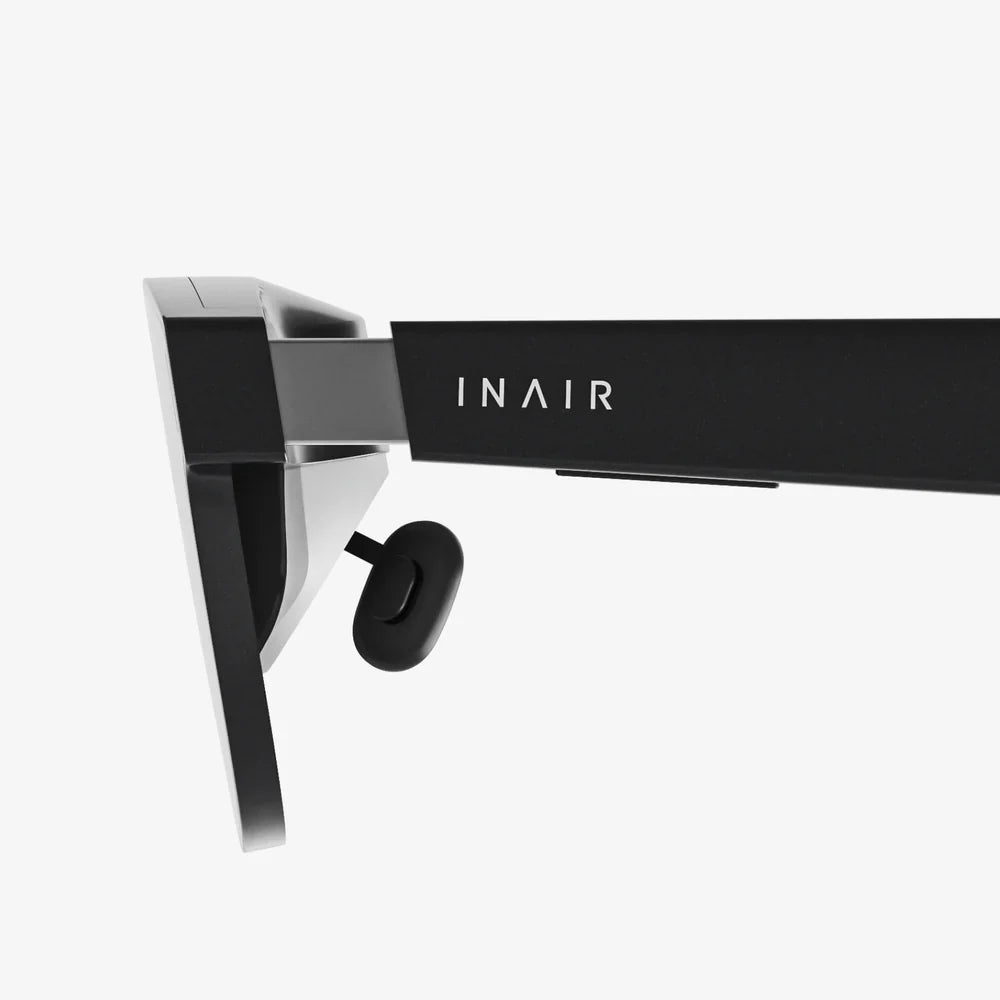
ar glasses market trends 2025 are reshaping how we work, learn, shop, and socialize, and the pace of change is accelerating so quickly that many organizations risk being left behind. As augmented reality shifts from experimental pilot projects to mainstream deployments, the companies and professionals who understand where the market is really heading will be in the best position to capture new revenue, reinvent customer experiences, and build the next generation of digital products and services.
By 2025, augmented reality glasses are moving beyond niche gadgets into a core interface for the emerging spatial computing era. The market is being driven by a convergence of forces: lighter and more powerful hardware, maturing AR software platforms, better connectivity, and a growing set of practical use cases that deliver clear return on investment. To make smart strategic decisions, it is essential to examine not only how many devices will ship, but also who will use them, what they will use them for, and how value will be created and captured across the ecosystem.
Why 2025 Is a Pivotal Year for AR Glasses
Several structural shifts make 2025 a turning point for the AR glasses landscape. Understanding these shifts helps explain why adoption is accelerating and where the most significant opportunities lie.
From Experimental Gadgets to Everyday Tools
For years, AR glasses were largely seen as futuristic prototypes or specialized tools for narrow industrial use. By 2025, this perception is changing. The market is transitioning from experimentation to operational deployment, driven by:
- Proven enterprise ROI: Companies in manufacturing, logistics, field service, and healthcare are reporting measurable gains in productivity, accuracy, and training speed when deploying AR glasses at scale.
- Improved comfort and design: Newer devices are lighter, more ergonomic, and visually closer to conventional eyewear, making them more acceptable for extended daily use.
- Better developer tools: Mature AR software frameworks and cloud services lower the barrier to building robust, use-case-specific applications.
These changes collectively shift AR glasses from "interesting demos" to "critical tools," especially in professional environments where hands-free access to information is a major advantage.
Convergence of AR, AI, and Spatial Computing
ar glasses market trends 2025 are inseparable from broader advances in artificial intelligence and spatial computing. AR glasses are becoming the physical interface for intelligent, context-aware systems that understand the environment and the user’s intent. Key convergent trends include:
- On-device AI assistants: AR glasses increasingly integrate voice and gesture-driven AI assistants capable of recognizing objects, reading text, translating languages, and guiding workflows.
- Environment mapping and persistence: Devices can build detailed 3D maps of physical spaces, allowing digital objects and information to be anchored persistently in the real world.
- Cloud and edge processing: Heavy computation is offloaded to the cloud or edge servers, enabling lighter devices with longer battery life and more advanced capabilities.
This convergence sets the stage for AR glasses to become a primary way of interacting with digital content in physical environments, rather than just a secondary display.
Market Segmentation: Consumer vs. Enterprise in 2025
To interpret ar glasses market trends 2025 accurately, it is crucial to distinguish between consumer and enterprise segments, as they are evolving at different speeds and driven by different value propositions.
Enterprise AR Glasses: The Growth Engine
By 2025, the enterprise segment remains the primary revenue engine for AR glasses. Organizations are moving from pilots to full-scale deployments in several core areas:
- Manufacturing and assembly: Workers use AR glasses to access step-by-step instructions, 3D overlays, and quality checks, reducing error rates and training time.
- Field service and maintenance: Technicians benefit from remote expert assistance, digital checklists, and live annotations overlaid on equipment in real time.
- Warehousing and logistics: AR-guided picking, packing, and routing streamline operations and reduce onboarding time for new employees.
- Healthcare and surgery: Surgeons and clinicians access patient data, imaging overlays, and procedural guidance without taking their eyes off the patient.
Enterprises are motivated by clear metrics: reduced downtime, faster training, fewer mistakes, and improved safety. These tangible benefits justify investments in hardware, software, and integration, even when device prices remain relatively high.
Consumer AR Glasses: Early Adoption and Niche Use Cases
On the consumer side, ar glasses market trends 2025 show a more gradual but steady rise. Consumer adoption is constrained by cost, fashion, and social acceptance, but several use cases are gaining traction:
- Navigation and urban exploration: Turn-by-turn directions, points of interest, and contextual information appear in the user’s field of view.
- Fitness and outdoor activities: Runners, cyclists, and hikers access performance metrics, route information, and safety alerts hands-free.
- Media and entertainment overlays: Real-time stats during sports events, interactive experiences at concerts, and AR-enhanced tourism are attracting interest.
- Accessibility and assistance: Users with visual, hearing, or cognitive challenges benefit from real-time transcription, object recognition, and guidance.
While mass-market consumer AR glasses may not yet be ubiquitous by 2025, early adopters and enthusiasts are driving incremental growth, and design improvements are gradually reducing social barriers to wearing smart eyewear in public.
Key Technology Trends Shaping AR Glasses in 2025
Technological innovation is at the heart of ar glasses market trends 2025. Several hardware and software advances are making devices more capable, more comfortable, and more appealing.
Display and Optics Innovations
The display system is the defining component of AR glasses, and multiple approaches are competing and coexisting in 2025:
- Waveguide optics: Thin, transparent waveguides allow digital images to be projected into the user’s field of view while maintaining a relatively slim form factor.
- MicroLED and micro-OLED displays: High-brightness, high-contrast micro displays improve visibility in daylight and support richer colors and finer details.
- Variable focus and depth cues: Advanced optics aim to reduce eye strain by better matching virtual content to the natural focal distance of real-world objects.
By 2025, improvements in brightness, clarity, field of view, and power efficiency are making AR content more natural and comfortable to view over longer periods, which is essential for enterprise workflows and consumer entertainment alike.
Processing Power and Battery Life
AR glasses must balance performance with weight and battery constraints. Market trends in 2025 reveal several strategies to achieve this balance:
- Dedicated AR processors: Specialized chips optimized for computer vision, sensor fusion, and graphics enable smooth experiences without excessive heat or power draw.
- Split computing architectures: Some designs offload heavy computation to a companion device, such as a smartphone or small wearable compute pack.
- Edge and cloud integration: Latency-sensitive tasks run on nearby edge servers, while more intensive workloads are processed in the cloud.
Battery life remains a significant design constraint, but incremental improvements in chip efficiency and power management are extending usable time per charge, especially for business use where short charging breaks can be scheduled.
Sensors, Tracking, and Interaction
Accurate sensing and intuitive interaction are critical to AR glasses adoption. ar glasses market trends 2025 highlight the following capabilities:
- Inside-out tracking: Integrated cameras and sensors track head and hand movements without external beacons or markers.
- Eye tracking: Some devices use eye tracking to enable foveated rendering, improve interface responsiveness, and provide analytics on user attention.
- Gesture and voice control: Users interact with menus, objects, and tools using natural hand gestures and voice commands, reducing the need for physical controllers.
These capabilities make AR interactions more fluid and less intrusive, bringing the experience closer to natural human behavior in physical space.
Software Ecosystem and Content Trends
Hardware alone does not drive adoption; the software ecosystem and available content determine whether AR glasses deliver ongoing value. ar glasses market trends 2025 point to several important developments.
Rise of Cross-Platform AR Frameworks
Developers increasingly rely on cross-platform AR frameworks that allow them to build experiences once and deploy them across multiple device types, including smartphones, tablets, and AR glasses. This trend:
- Reduces development costs and time-to-market.
- Encourages experimentation with new use cases.
- Helps ensure that applications are not locked into a single hardware vendor.
As a result, organizations can pilot AR solutions on widely available devices and later migrate successful applications to dedicated AR glasses as deployment scales.
Cloud-Based AR Services and Digital Twins
Cloud services play a central role in ar glasses market trends 2025, especially in industrial and enterprise contexts. Key elements include:
- Digital twins: Detailed digital representations of factories, buildings, and assets are synchronized with real-world conditions and visualized through AR glasses.
- Remote collaboration platforms: Teams in different locations share a synchronized view of physical environments, annotate objects, and guide each other through tasks.
- Content management systems: Organizations manage AR workflows, instructions, and 3D content centrally, updating and distributing them to devices in the field.
This cloud-centric architecture enables scalable deployment, centralized governance, and continuous improvement of AR content and processes.
AI-Driven Personalization and Context Awareness
Artificial intelligence is increasingly embedded into AR applications to personalize experiences and adapt to user behavior. Examples of AI-driven trends include:
- Context-aware prompts that surface relevant information based on location, task, or environment.
- Adaptive training modules that adjust difficulty and pacing according to learner performance.
- Predictive maintenance suggestions based on historical data and real-time sensor readings.
These capabilities make AR glasses more than just a display; they become intelligent companions that anticipate needs and guide users proactively.
Industry Use Cases Dominating AR Glasses in 2025
ar glasses market trends 2025 are best understood through the lens of specific industry applications. Several sectors are emerging as leaders in adoption and innovation.
Manufacturing and Industrial Operations
Manufacturing remains one of the most mature sectors for AR glasses deployment. Common applications include:
- Assembly instructions: Workers see step-by-step directions overlaid on physical components, reducing training time and error rates.
- Quality inspection: AR overlays highlight areas to inspect and capture data for quality control systems.
- Equipment setup and changeovers: Visual guidance speeds up complex machine setups and reduces downtime.
These use cases provide clear, measurable benefits, making it easier for industrial organizations to justify large-scale investments in AR glasses.
Logistics, Warehousing, and Supply Chain
In logistics and warehousing, AR glasses are transforming how workers navigate large facilities and handle high volumes of orders. Typical deployments include:
- Visual pick lists and location markers that guide workers directly to items.
- Real-time updates on inventory levels and order statuses.
- Hands-free scanning and verification of items and shipments.
These capabilities improve speed and accuracy during peak demand periods, such as seasonal surges, and help new employees become productive more quickly.
Healthcare and Medical Training
Healthcare is another sector where ar glasses market trends 2025 show significant momentum. Applications include:
- Surgical visualization: Surgeons view imaging overlays, anatomical guides, and vital signs while maintaining focus on the patient.
- Remote consultation: Specialists join procedures virtually, seeing what the on-site clinician sees and providing guidance.
- Medical education and simulation: Students and trainees practice procedures with realistic overlays and interactive feedback.
These use cases enhance precision, collaboration, and training effectiveness, all of which contribute to better patient outcomes.
Retail, E-Commerce, and Customer Experience
Retail and e-commerce are exploring AR glasses as tools for both consumers and employees. Examples include:
- In-store navigation: Customers receive guidance to products, promotions, and personalized recommendations.
- Visual merchandising: Store staff use AR to visualize different layouts and product arrangements before making physical changes.
- Remote shopping experiences: Customers explore virtual showrooms or receive live assistance from remote staff using AR-enabled interactions.
These experiences can deepen engagement, increase conversion rates, and bridge the gap between online and offline shopping.
Education, Training, and Workforce Development
In education and training, ar glasses market trends 2025 highlight growing interest in immersive, hands-on learning. Common scenarios include:
- Technical training for complex equipment and procedures.
- Soft skills training through simulated interactions and role-play.
- Field-based learning where students explore real environments augmented with contextual information.
AR glasses enable learners to practice skills in realistic settings without the cost or risk of full physical setups, making them attractive for both academic institutions and corporate training programs.
Business Models and Revenue Streams Emerging in 2025
ar glasses market trends 2025 are not only about devices and applications; they also involve evolving business models and revenue strategies.
Hardware-as-a-Service and Subscription Models
Instead of one-time hardware purchases, many organizations are adopting subscription-based models for AR solutions. These models typically bundle:
- AR glasses hardware.
- Software licenses and cloud services.
- Support, maintenance, and periodic upgrades.
This approach spreads costs over time, simplifies budgeting, and ensures that organizations have access to the latest capabilities without large upfront investments.
Vertical Solutions and Industry-Specific Platforms
Specialized AR platforms tailored to specific industries are becoming more common. These solutions provide:
- Pre-built workflows and templates for common tasks.
- Integration with industry-standard systems and data sources.
- Compliance features aligned with sector-specific regulations.
By offering end-to-end solutions rather than generic toolkits, vendors can shorten deployment cycles and deliver faster time-to-value for customers.
Marketplace and Ecosystem Approaches
As AR ecosystems mature, marketplaces for AR applications, 3D content, and services are gaining importance. These marketplaces allow:
- Independent developers to monetize specialized AR apps.
- Organizations to discover and deploy pre-built solutions quickly.
- Service providers to offer consulting, customization, and integration.
This ecosystem-driven model encourages innovation and diversity in AR experiences, benefiting both providers and users.
Regional Dynamics in the AR Glasses Market
ar glasses market trends 2025 vary significantly across regions, influenced by factors such as industrial base, regulatory environment, and consumer behavior.
North America
North America remains a leading region for enterprise AR adoption, driven by a large base of technology companies, advanced manufacturing, and strong investment in digital transformation. Many early large-scale deployments are headquartered here, particularly in manufacturing, logistics, and healthcare.
Europe
Europe shows strong adoption in industrial sectors and places particular emphasis on data privacy, worker safety, and regulatory compliance. AR projects often focus on improving productivity while adhering to strict standards, especially in automotive, aerospace, and energy industries.
Asia-Pacific
The Asia-Pacific region is a major growth engine for ar glasses market trends 2025, with a combination of large manufacturing hubs, rapidly growing digital economies, and enthusiastic consumer markets. Countries in this region are experimenting with AR in retail, education, and entertainment alongside industrial applications.
Other Regions
In Latin America, the Middle East, and Africa, AR glasses adoption is emerging more gradually, often tied to specific sectors such as oil and gas, mining, and infrastructure. As connectivity improves and device costs fall, these regions are expected to see increasing deployments, particularly in high-value industrial projects.
Challenges and Barriers to Adoption in 2025
Despite rapid progress, ar glasses market trends 2025 also reflect several challenges that must be addressed for widespread adoption.
Cost and ROI Justification
While enterprise deployments can often justify the investment, cost remains a barrier, especially for smaller organizations and consumers. Demonstrating clear, quantifiable ROI is essential. Organizations must:
- Identify high-impact use cases with measurable outcomes.
- Start with targeted pilots that validate value before scaling.
- Consider subscription models that reduce upfront expenditures.
User Comfort, Design, and Social Acceptance
Comfort and aesthetics are critical, particularly for consumer adoption. Devices that are too heavy, bulky, or visually conspicuous can deter users. Market trends show ongoing efforts to:
- Reduce device weight and improve ergonomics.
- Design frames that resemble conventional eyewear.
- Address concerns about being recorded or monitored by AR wearers.
Social norms around wearing AR glasses in public are still evolving, and design improvements play a major role in shaping acceptance.
Privacy, Security, and Compliance
AR glasses raise unique concerns about privacy and data security, as they often capture imagery and sensor data from the environment. Organizations must:
- Implement strict access controls and data encryption.
- Provide clear policies on recording and data usage.
- Comply with relevant privacy regulations in each region.
Addressing these concerns proactively is essential to maintain trust among employees, customers, and the public.
Integration with Existing Systems
AR solutions rarely exist in isolation; they must integrate with existing enterprise systems, including asset management, training platforms, manufacturing execution systems, and customer relationship management tools. This integration can be complex and requires:
- Robust APIs and middleware.
- Collaboration between IT, operations, and business units.
- Clear governance over data flows and responsibilities.
Organizations that invest in integration and change management are more likely to realize the full benefits of AR glasses.
Strategic Recommendations for Organizations in 2025
To capitalize on ar glasses market trends 2025, organizations should adopt a deliberate, strategic approach rather than simply experimenting with isolated pilots.
Define a Clear AR Vision and Roadmap
Organizations should articulate how AR fits into their broader digital transformation strategy. This includes:
- Identifying priority use cases aligned with business objectives.
- Setting measurable goals for productivity, quality, or customer experience.
- Planning phased rollouts from pilot to scale.
A clear roadmap ensures that AR initiatives are coordinated and sustainable rather than fragmented experiments.
Invest in Skills, Training, and Change Management
Successful AR deployments depend on people as much as technology. Organizations should:
- Train employees not only on device usage but also on new workflows enabled by AR.
- Engage frontline workers early to gather feedback and refine solutions.
- Design change management programs that address concerns and highlight benefits.
When employees see AR glasses as tools that make their jobs easier and safer, adoption and impact increase dramatically.
Build Partnerships Across the Ecosystem
Given the complexity of AR solutions, partnerships are crucial. Organizations can benefit from collaborating with:
- Hardware vendors and system integrators.
- Software developers and content creators.
- Academic and research institutions exploring advanced AR use cases.
These partnerships accelerate innovation, reduce risk, and broaden the range of available capabilities.
Focus on Measurable Outcomes and Iterative Improvement
ar glasses market trends 2025 favor organizations that treat AR deployment as an iterative process. Effective strategies include:
- Defining key performance indicators for each use case.
- Collecting data on usage, performance, and user satisfaction.
- Refining applications and workflows based on real-world feedback.
This continuous improvement approach ensures that AR investments remain aligned with evolving business needs and technological capabilities.
Looking Beyond 2025: The Path Toward Mainstream Spatial Computing
ar glasses market trends 2025 are more than a snapshot of a single year; they are a preview of a broader shift toward spatial computing as a dominant paradigm. Over the coming years, several trajectories are likely:
- Gradual normalization of AR eyewear: As devices become lighter and more stylish, wearing AR glasses in public will feel less unusual, much like the evolution of smartphones and wireless earbuds.
- Deeper integration with everyday tools: AR glasses will connect seamlessly with productivity suites, collaboration platforms, and industry applications, making them a natural extension of existing workflows.
- Expansion of consumer experiences: Games, social interactions, education, and shopping will increasingly incorporate AR layers that blend digital content with the physical world.
For organizations, the implications are profound. The interfaces and channels through which customers and employees access information are changing, and AR glasses are poised to play a central role in this transformation. Those who start building capabilities, experimenting with use cases, and developing AR-ready content now will be better prepared as adoption accelerates.
As you evaluate ar glasses market trends 2025, the key question is not whether this technology will matter, but how you will position your business and your career within this new landscape. The next wave of immersive tech is already reshaping expectations across industries, and the decisions you make today about strategy, partnerships, and skills will determine whether you are merely reacting to change or actively shaping the future of augmented reality.
Share:
Characteristics of Artificial Intelligence That Are Transforming Everyday Life
AR Glasses Comparison 2025: Features, Use Cases, and Buying Guide