


Imagine walking down Queen Street in Auckland or along the waterfront in Wellington and seeing a world transformed. Restaurant reviews hover above doorways, navigation arrows are painted onto the footpath ahead of you, and a virtual history lesson springs to life as you pass a heritage building. This isn’t a distant science fiction fantasy; it’s the imminent future being built today with Augmented Reality (AR) glasses, a technological revolution that is quietly arriving in New Zealand. For Kiwis curious about the next wave of computing, the journey begins by understanding how this immersive technology will reshape Aotearoa’s landscape, from its thriving business sectors to its unique way of life.
Beyond the Hype: What Are AR Glasses Really?
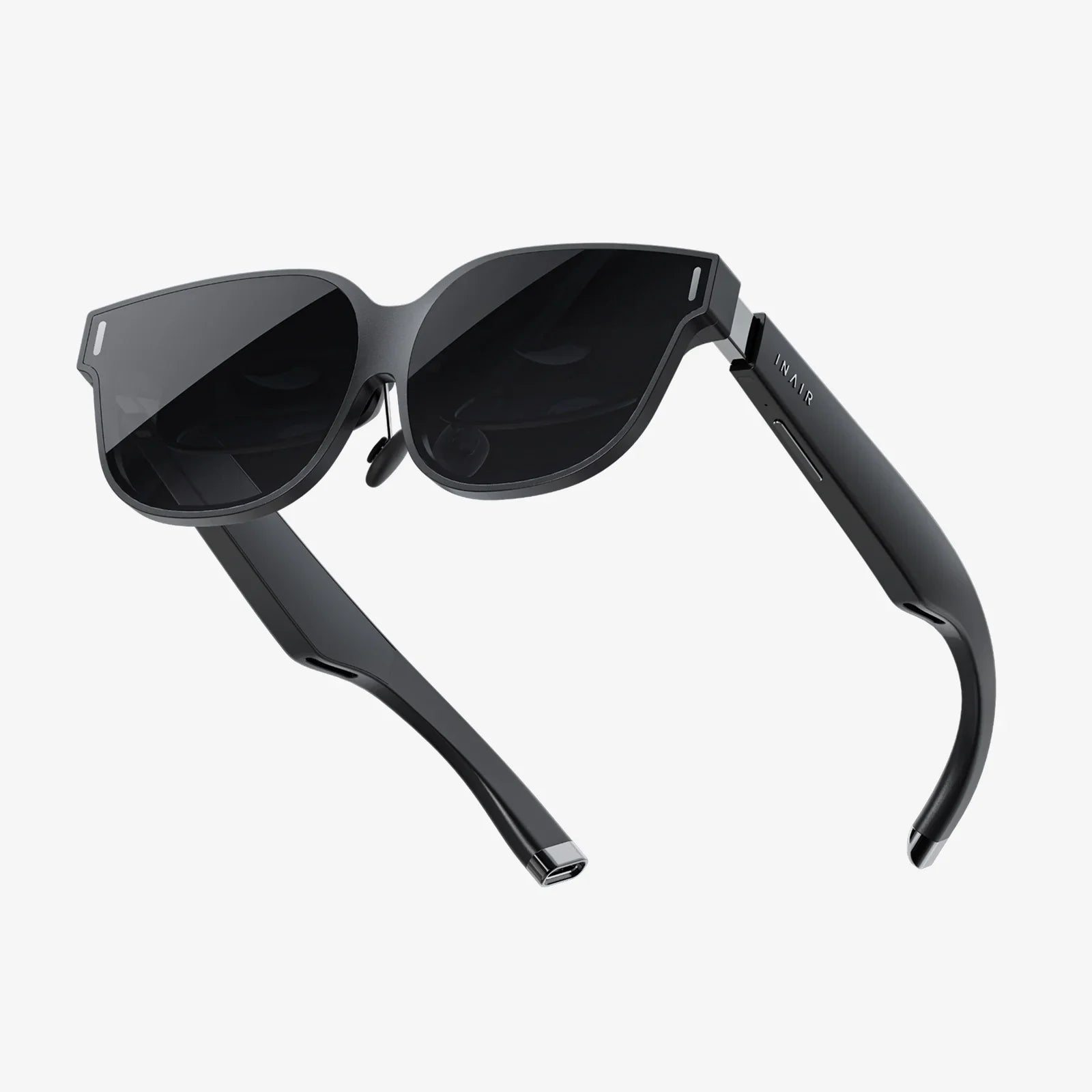
At its core, Augmented Reality is the seamless integration of digital information with the user's real-world environment. Unlike Virtual Reality (VR), which creates a completely artificial world, AR enhances your existing reality by overlaying computer-generated perceptual information. AR glasses are the physical embodiment of this technology—wearable devices, often resembling standard eyeglasses or safety goggles, that project interactive digital images and data onto their lenses.
This is achieved through a sophisticated combination of technologies:
- Advanced Optics: Using waveguides, micro-LEDs, or other systems to project images directly into the user's eyes.
- Spatial Mapping: A suite of sensors, including cameras, LiDAR, and depth sensors, that continuously scan the environment to understand the geometry of the space, allowing digital objects to interact realistically with physical surfaces.
- Precise Tracking: Inertial Measurement Units (IMUs) and computer vision algorithms track the user's head and eye movements with incredible accuracy, ensuring the digital overlay remains locked in place.
- Powerful Processing: On-device chipsets or connected computing power that handles the immense data processing required for real-time AR experiences.
The ultimate goal is to create a device that feels like a natural extension of the user, providing contextual information and digital tools exactly when and where they are needed, all without requiring the user to look down at a handheld screen.
The New Zealand AR Landscape: A Market Poised for Growth
New Zealand may be geographically remote, but its appetite for innovation and technology is world-class. The market for AR glasses in NZ is evolving rapidly from a niche enthusiast sector into a broader consumer and enterprise domain. Kiwi businesses, known for their agility and ingenuity, are increasingly exploring AR solutions to gain a competitive edge, improve safety, and enhance customer experiences.
Several factors are contributing to this growth. New Zealand's robust digital infrastructure, including widespread high-speed internet, provides the necessary connectivity for cloud-based AR experiences. Furthermore, the country's strong tech startup ecosystem, particularly in sectors like agritech, healthtech, and creative technologies, is a fertile ground for developing AR applications tailored to local needs. From visualizing a new deck in a Wellington backyard to training technicians on complex machinery in Christchurch, the practical applications are driving adoption.
Availability is also expanding. While early adopters had to import devices directly, a growing number of local technology distributors and specialist retailers are beginning to offer AR glasses and related enterprise solutions, making them more accessible to New Zealand businesses and consumers than ever before.
Transforming Kiwi Industries: Enterprise Applications
The most significant impact of AR glasses in New Zealand is currently being felt within the enterprise sector. Businesses are leveraging the technology to solve real-world problems, increase efficiency, and reduce costs.
Revolutionizing Trades and Field Services
For a plumber in Hamilton or an electrician in Tauranga, AR glasses can project wiring diagrams or plumbing schematics directly onto the job site. A remote expert can see what the field technician sees and annotate their view with arrows and instructions, enabling complex problem-solving without requiring travel. This "see-what-I-see" remote assistance drastically reduces downtime, minimizes errors, and allows seasoned experts to support multiple junior staff across the country simultaneously.
Enhancing Manufacturing and Logistics
In warehouses and factories across Auckland, AR glasses are streamlining complex processes. Workers fulfilling orders can have the most efficient pick path displayed before their eyes, with digital arrows guiding them and item locations highlighted. For assembly tasks, step-by-step instructions can be overlaid directly onto the components, reducing training time and ensuring precision. This hands-free access to information boosts productivity and significantly lowers the margin for error.
Advancing Healthcare and Medical Training
New Zealand's healthcare sector is exploring AR for everything from complex surgery to medical training. Surgeons can have vital patient statistics, 3D scans of anatomy, or guidance systems superimposed onto their field of view without breaking sterility. Medical students can practice procedures on virtual patients, and physiotherapists can guide patients through rehabilitation exercises with perfect form demonstrated right in their living rooms.
Supercharging the Creative and Tourism Sectors
Imagine pointing your gaze at the Beehive in Wellington and seeing a virtual tour guide explain its history. Architects and interior designers in Queenstown can place life-sized 3D models of their designs into a physical space, allowing clients to walk through a building before a single foundation is poured. The potential for immersive storytelling and experiential tourism in Aotearoa is virtually limitless.
The Consumer Horizon: Everyday Life Enhanced
While enterprise leads the charge, the future of AR glasses is ultimately in the consumer space. The promise is a world where the smartphone is no longer the centre of our digital lives, but rather a companion to a more intuitive, contextual, and hands-free interface.
- Navigation: Never look at a phone map again. Directions can appear as a glowing path on the road in front of you, with points of interest highlighted as you walk or cycle through a new city.
- Social Connection: Imagine sharing a virtual experience with a friend who lives in a different island. You could watch a rugby match together with virtual screens and avatars sitting on your couch, or leave virtual notes and drawings for family members to find around the house.
- Information Access: Instant translation of foreign language signs, real-time nutritional information when you look at food, or the name of that mountain peak you're admiring in the Southern Alps—all accessible instantly, just by looking.
- Entertainment and Gaming: The success of mobile AR games hinted at the potential. With dedicated glasses, gaming could transform your entire local park into an interactive battlefield or your living room into a puzzle-solving adventure.
For the New Zealand consumer, this means a more connected and informed life, seamlessly blending the digital and physical worlds that Kiwis cherish.
Navigating the Challenges: Considerations for New Zealand
The path to widespread adoption is not without its hurdles. Several key considerations are particularly relevant to the New Zealand context.
- Battery Life and Performance: Current generation devices often face a trade-off between power, performance, and battery life. All-day usability remains a challenge that manufacturers are racing to solve.
- Design and Social Acceptance: For consumers, the glasses must be fashionable, lightweight, and indistinguishable from regular eyewear. The "cyborg" stigma is fading, but design elegance is paramount for mainstream uptake in a socially conscious market like NZ.
- Privacy and Data Security: Devices with always-on cameras and microphones understandably raise privacy concerns. Robust, transparent data handling policies and clear user controls will be non-negotiable for Kiwi users who value their privacy.
- Content and Ecosystem: The hardware is useless without compelling software. The development of a strong ecosystem of apps and experiences, including those built specifically for New Zealand, is critical.
- Cost and Accessibility: High initial costs currently place advanced AR glasses out of reach for most consumers. As with all technology, prices will fall as the technology matures and scales.
Gazing into the Crystal Ball: The Future of AR in Aotearoa
The next five to ten years will see AR glasses evolve from a specialized tool into a ubiquitous platform. We can expect devices to become lighter, more powerful, and eventually, integrate with standard prescription lenses. The user interface will shift from touch and voice to perhaps the most intuitive of all: eye tracking and neural inputs, allowing us to control the digital world with a mere thought.
For New Zealand, this technology could help bridge the gap between urban and rural communities through enhanced remote work and telepresence. It could revolutionize education, bringing field trips to remote historical sites or complex scientific models into every classroom in the country. It could even preserve and promote Te Reo Māori and Māori culture through immersive, interactive storytelling, allowing users to experience legends and history where they actually happened.
The convergence of AR with other technologies like Artificial Intelligence and 5G will unlock capabilities we can only begin to imagine. Your glasses could not only translate a language but also analyze a person's tone and suggest appropriate responses, or warn you of a potential hazard on a hiking trail before you even see it.
The line between the digital and the physical is blurring, and AR glasses are the lens through which we will witness this merger. For New Zealanders, a nation defined by its stunning physical landscape and its innovative spirit, this technology offers a unique opportunity to enhance our reality without replacing it. The world is about to get a new layer, and it’s a view you won’t want to miss.
Share:
3D Model Engine Essentials: From Core Concepts To Real-Time Mastery
Disadvantages of Virtual Reality in Business: The Hidden Costs of Immersive Tech