


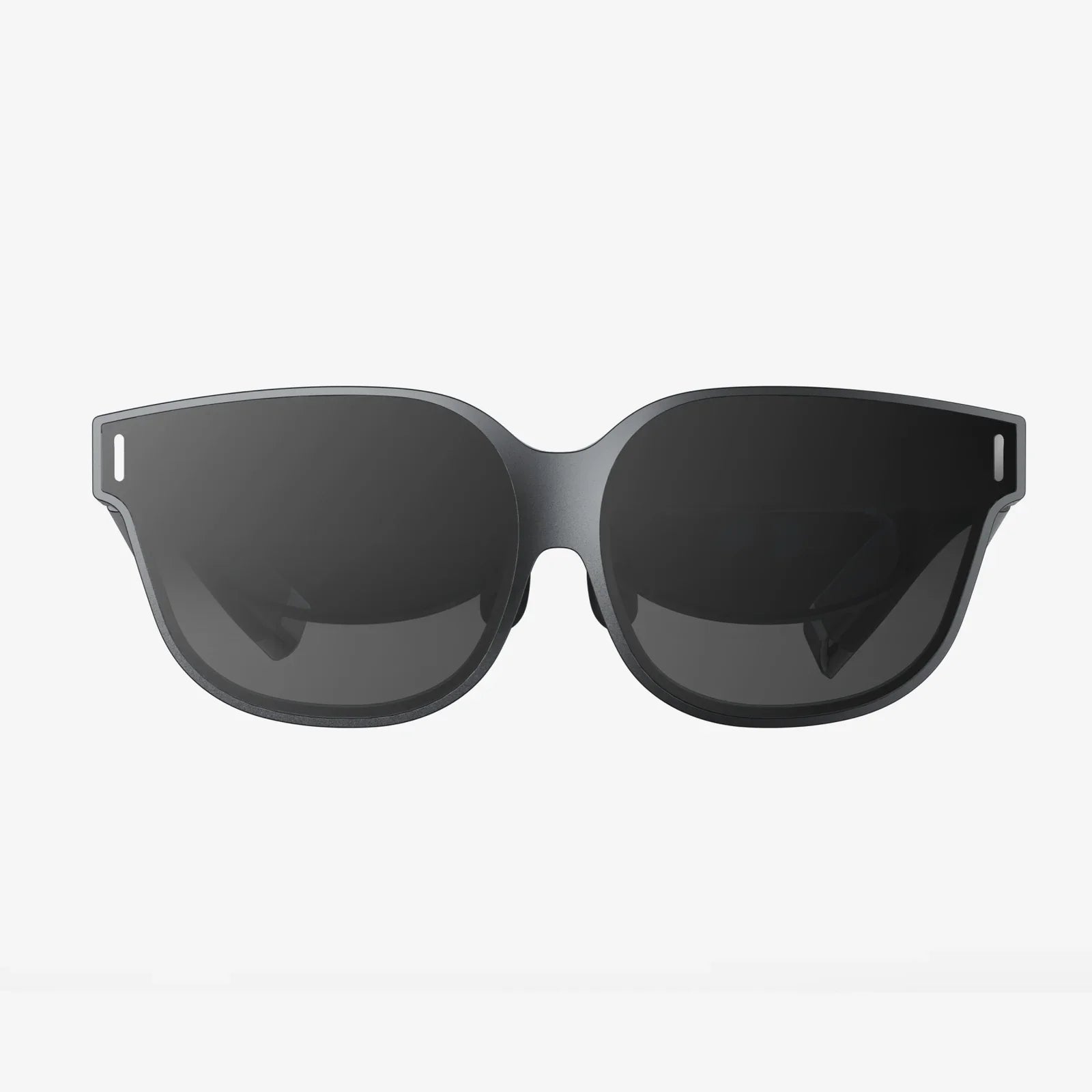
AR glasses packaging is quietly becoming one of the most powerful tools for winning customers before they even try the device on. In a market where products look similar at a glance, the box, the tray, the insert, and even the way the glasses are revealed can determine whether your device feels like a futuristic innovation or just another gadget. If you want your AR product to stand out on shelf, ship safely across the world, and create a memorable first impression, the packaging strategy you choose will matter as much as the hardware inside.
As augmented reality moves from niche to mainstream, the expectations around presentation and protection are rising. Buyers are no longer impressed by a basic cardboard box. They expect a premium, intuitive, and eco-conscious experience that reflects the sophistication of the technology. That means every packaging decision—from materials to layout to information hierarchy—needs to be intentional and aligned with your brand, your price point, and your target audience.
Why AR Glasses Packaging Matters More Than You Think
AR glasses are not just another consumer electronic. They sit at the intersection of eyewear, fashion, and cutting-edge computing. That unique position creates unique demands for packaging, including:
- High perceived value: Buyers often pay a premium and expect a high-end unboxing experience that feels special and deliberate.
- Delicate optics and sensors: Lenses, cameras, and waveguides are vulnerable to scratches, dust, and pressure.
- Complex accessories: Cables, controllers, charging cradles, nose pads, and cleaning tools all need organized storage.
- Mixed usage contexts: AR glasses may be used for work, gaming, training, or outdoor navigation—each use case may demand different packaging priorities.
Effective AR glasses packaging has to address all of these factors without becoming bulky, wasteful, or confusing. The right design does more than protect; it tells a story about innovation, reliability, and care for the user.
Core Functions of AR Glasses Packaging
Before exploring aesthetics and branding, it helps to break down the core functional roles of packaging for AR glasses. Every package should excel at these four essentials:
1. Protection and Safety
AR glasses combine fragile optical components with sensitive electronics. Packaging must protect against:
- Impact and vibration: Drops during shipping, stacking in warehouses, and rough handling by carriers.
- Compression: Pressure from other boxes or pallets that can warp frames or damage lenses.
- Dust and moisture: Environmental exposure that can affect sensors, connectors, and coatings.
- Static electricity: Especially relevant for internal components and certain accessories.
Common protective strategies include:
- Rigid outer cartons: High-strength paperboard or corrugated structures that resist crushing.
- Precision-molded inserts: Trays that cradle the glasses and accessories in fixed positions.
- Multi-layer structures: Outer box for logistics, inner box for presentation.
- Surface treatments: Coatings that resist moisture or abrasion.
Protection is the foundation. A beautiful box that fails to prevent damage will quickly become a liability for your brand and your support team.
2. Organization and Clarity
AR glasses packaging must help users understand what they’re getting and how to start using it. That means:
- Clear component layout: Glasses, charging cable, documentation, and any controllers should each have a dedicated, obvious place.
- Guided unboxing: Users should intuitively know what to pick up first and what comes next.
- Cable management: No tangled wires or hidden accessories that feel like an afterthought.
- Quick access to essentials: Cleaning cloths, nose pads, or quick-start guides should be easy to find without tearing the box apart.
Thoughtful organization reduces frustration and sets the tone for a frictionless onboarding experience.
3. Communication and Compliance
Packaging is also a critical channel for information. For AR glasses, it usually needs to communicate:
- Device overview: Core features, compatibility, and basic system requirements.
- Safety warnings: Eye safety, usage duration, age recommendations, and any health disclaimers.
- Regulatory markings: Certifications, recycling symbols, and legal notices.
- Brand story: What makes this AR experience unique and trustworthy.
Balancing regulatory text with clean design is a challenge, but done right, it can reinforce professionalism rather than clutter the experience.
4. Brand Experience and Emotion
Finally, AR glasses packaging should evoke a specific emotional response. Depending on your brand, that might be:
- Futuristic and cutting-edge for early adopters and tech enthusiasts.
- Elegant and minimal for professional or enterprise users.
- Playful and bold for gaming or entertainment-focused products.
Everything from color palette to opening mechanism to typography contributes to how the product feels before it’s even powered on.
Key Design Principles for AR Glasses Packaging
Once the functional basics are covered, you can optimize packaging around design principles that enhance user satisfaction and perceived quality.
1. Human-Centered Unboxing Flow
Unboxing is the user’s first real interaction with your product. For AR glasses, the sequence of that experience matters. A human-centered flow typically includes:
- Immediate recognition: The outer box should clearly indicate what’s inside without overwhelming the user with text.
- Effortless opening: Avoid overly complex seals or hidden flaps. The opening action should feel intentional and smooth.
- Hero moment for the glasses: The glasses should be the star of the show, ideally presented on the top layer or in a central tray.
- Logical discovery of accessories: Once the glasses are lifted out, the user naturally discovers the charging gear, documentation, and extras.
- Guided first use: A simple quick-start card or printed instructions should be visible at the right moment.
Designing this flow often requires prototyping, user testing, and iteration. Small tweaks—such as where you place a pull tab or how you label a compartment—can dramatically improve the overall experience.
2. Balance Between Minimalism and Information Richness
AR glasses are complex devices, but the packaging doesn’t have to feel overwhelming. An effective approach is to:
- Keep the exterior minimal: Focus on a clean front panel with just a few key elements: product name, a simple image or outline, and perhaps a tagline.
- Use the interior for details: Inside panels, inserts, or a dedicated information card can provide more technical explanations.
- Leverage icons and diagrams: Visual cues can explain orientation, controls, and setup more quickly than long paragraphs.
- Offer layered information: Quick-start steps visible immediately, with more detailed documentation tucked neatly underneath.
This layered approach respects both impatient and detail-oriented users, letting each get what they need without friction.
3. Consistent Visual Language
AR glasses packaging should feel like an extension of the product design itself. That means aligning:
- Color schemes: Using the same or complementary colors as the device and interface.
- Material finishes: Matte vs. gloss, soft-touch vs. smooth, embossed vs. flat—these choices should reflect your brand personality.
- Typography: Fonts on the packaging should match or harmonize with those used in the companion app or documentation.
- Graphics: Icons, line art, and imagery should share a consistent style, avoiding visual noise.
A coherent visual language builds trust and helps users feel that every detail has been considered.
4. Accessibility and Inclusivity
AR technology aims to augment human capabilities, so it’s essential that packaging does not unintentionally exclude users. Consider:
- Readable text sizes: Avoid tiny fonts, especially for safety and setup instructions.
- High contrast: Clear contrast between text and background helps users with visual impairments.
- Easy-open features: Pull tabs, finger notches, and low-resistance openings support users with limited dexterity.
- Clear labeling: Distinct labels for left/right lenses or adjustable components can reduce confusion.
Designing for accessibility not only broadens your audience but also enhances usability for everyone.
Material Choices for AR Glasses Packaging
Material selection affects durability, sustainability, cost, and perceived quality. For AR glasses packaging, typical options include:
1. Paperboard and Corrugated Cardboard
These are the primary choices for outer cartons and many inner structures.
- Advantages: Lightweight, widely recyclable, printable, and cost-effective.
- Use cases: Outer retail box, inner product box, folding inserts, and documentation compartments.
- Enhancements: Lamination, embossing, foil stamping, or spot UV can add a premium feel.
Thicker, rigid paperboard can give a “book-style” or “drawer-style” box a luxurious heft that signals quality.
2. Molded Pulp and Fiber Inserts
Molded pulp is increasingly popular as a sustainable alternative to plastic trays.
- Advantages: Eco-friendly, protective, and customizable to the shape of the glasses.
- Considerations: Texture is less smooth than plastic; finishing and color options may be more limited.
- Ideal for: Brands emphasizing environmental responsibility without sacrificing structure.
For AR glasses, molded pulp can be engineered to hold frames, arms, and accessories securely while still allowing an elegant presentation.
3. Plastic Trays and Components
Despite sustainability concerns, plastic still plays a role in some AR glasses packaging designs.
- Advantages: High precision, smooth surfaces, and transparent options for display windows.
- Use cases: Inner trays, lens covers during shipping, or protective shells.
- Mitigation strategies: Using recycled or recyclable plastics, minimizing volume, and clearly labeling disposal instructions.
Plastic should be used thoughtfully, focusing on functional necessity rather than decorative excess.
4. Fabric and Soft Materials
Soft materials are often used for accessories and internal touches.
- Examples: Microfiber pouches, cleaning cloths, or soft sleeves for the glasses.
- Benefits: Reinforces care for the lenses and offers ongoing utility beyond unboxing.
- Integration: These items can be folded into dedicated compartments or wrapped around the glasses themselves.
Combining soft textiles with rigid structures can create a balanced, premium feel that complements the device.
Sustainability in AR Glasses Packaging
Buyers of advanced technology are increasingly aware of environmental impact. AR glasses packaging that ignores sustainability can feel out of step with modern expectations. Key strategies include:
1. Material Reduction and Right-Sizing
Oversized boxes and unnecessary layers signal waste. Instead:
- Optimize dimensions: Design packaging that closely matches the size of the glasses and accessories.
- Combine functions: Use inserts that both protect and present, instead of separate layers for each task.
- Eliminate redundant plastics: Remove plastic windows or wraps that do not serve a critical purpose.
Smaller, smarter packaging reduces shipping costs and environmental footprint while still feeling intentional.
2. Recyclable and Recycled Materials
Choosing materials that can re-enter the recycling stream is essential.
- Use widely recyclable paper-based structures: Clearly label them with recycling instructions.
- Incorporate recycled content: Many paperboards now offer high post-consumer content without sacrificing print quality.
- Limit mixed-material components: Avoid laminates that combine plastic and paper in ways that complicate recycling.
Transparency about material choices can strengthen the connection with eco-conscious buyers.
3. Reusable Packaging Elements
One of the most powerful ways to reduce waste is to design elements that users will keep and reuse, such as:
- Hard cases: A durable case inside the main package can protect the glasses long-term.
- Storage trays: Inserts that double as desktop organizers for the glasses and accessories.
- Multi-purpose boxes: Boxes designed to be repurposed for cable storage or other household uses.
When packaging has a second life, it extends brand presence and reduces the likelihood of immediate disposal.
4. Communicating Sustainability
Sustainable choices only add value if users notice them. Consider:
- Short sustainability messages: A simple note about recycled materials or reduced plastic use.
- Clear disposal guidance: Icons or text indicating how to recycle or separate materials.
- Subtle, not preachy tone: Let the design and facts speak; avoid overclaiming or greenwashing.
Thoughtful communication can transform a simple box into a statement about your company’s values.
Structuring an Unforgettable Unboxing Experience
The unboxing journey for AR glasses can be broken into distinct stages, each with design opportunities.
Stage 1: Anticipation and First Contact
This starts when the user sees the package for the first time, whether on a store shelf or on their doorstep.
- Visual impact: A clean, confident design stands out without shouting.
- Clear product promise: A short phrase or image that quickly conveys what the glasses can do.
- Durable shipping layer: If a separate shipping box is used, it should protect the retail box from visible damage.
At this stage, packaging should build excitement and reassure the buyer that they made the right choice.
Stage 2: Opening the Box
The opening action should feel smooth and intentional.
- Intuitive entry point: A visible tab, ribbon, or magnetic flap suggests where to begin.
- Controlled reveal: Lids that open slowly or trays that slide out create a sense of ceremony.
- Minimal resistance: Avoid tight fits that require force and risk dropping the contents.
The goal is to make the user feel like they are opening something special, not wrestling with packaging.
Stage 3: First Glimpse of the Glasses
The glasses should be the centerpiece of the unboxing moment.
- Central positioning: Place them at the top layer, ideally in the center.
- Secure but inviting: The glasses should be held firmly but easy to lift out with one hand.
- Clean presentation: No distracting plastic bags or messy padding directly around the glasses.
This is where the user starts to form strong opinions about build quality and design, so the presentation must reinforce the premium nature of the device.
Stage 4: Discovery of Accessories and Documentation
Once the glasses are removed, the user explores what else is inside.
- Logical compartments: Each accessory should have a clearly defined space, labeled if necessary.
- Simple cues: Printed arrows or short labels can show where to lift or pull.
- Immediate access to quick-start guidance: A card or leaflet that explains how to power on, connect, and adjust fit.
A well-organized interior shows respect for the user’s time and reduces setup anxiety.
Stage 5: Onboarding and First Use
Packaging can support the first use of AR glasses by:
- Providing clear adjustment instructions: How to fit the glasses comfortably and align displays.
- Highlighting essential care tips: Cleaning lenses, storing safely, and avoiding damage.
- Connecting to digital resources: QR codes or short URLs that lead to setup apps, tutorials, or support.
By bridging the gap between physical packaging and digital onboarding, you create a seamless path from unboxing to immersive AR experiences.
Packaging Considerations for Different AR Use Cases
Not all AR glasses are used the same way. Packaging should reflect the context in which the product will live.
1. Consumer and Entertainment AR Glasses
For gaming, media, and casual use, packaging can lean into excitement and lifestyle appeal.
- Bold visuals: Dynamic graphics or imagery that hint at immersive experiences.
- Compact, portable design: Users may want to carry the box or inner case when traveling.
- Clear feature highlights: Emphasize comfort, resolution, and key capabilities in a visually engaging way.
These users often share unboxing experiences online, so distinctive packaging can contribute to organic word-of-mouth.
2. Professional and Enterprise AR Glasses
For workplace training, remote assistance, or industrial inspection, packaging priorities shift.
- Durability and stackability: Boxes may be stored in bulk or transported between sites.
- Clear labeling for inventory: Exterior panels should support quick identification and asset tracking.
- Functional organization: Space for additional accessories like headbands, protective covers, or charging docks.
Here, understated, professional design and straightforward usability often matter more than theatrical unboxing moments.
3. Developer and Early Adopter Kits
Developer-focused AR glasses often ship with extra components and documentation.
- Modular compartments: Room for cables, sample markers, or prototype accessories.
- Clear technical documentation: Quick access to setup instructions, SDK references, and system requirements.
- Flexible interior: Space that can be adapted as the product evolves.
Developer packaging can be more utilitarian but should still reflect the forward-looking nature of the technology.
Common Mistakes in AR Glasses Packaging and How to Avoid Them
Even well-intentioned packaging projects can go wrong. Some frequent pitfalls include:
1. Overly Complex Structures
Nested boxes, hidden compartments, and excessive layers may feel clever at first but often frustrate users.
- Solution: Prioritize simplicity. If a user needs instructions to open the box, the design is too complicated.
2. Ignoring Real-World Shipping Conditions
Packaging that looks great in a design studio may fail in transit.
- Solution: Test packaging with drop tests, vibration tests, and temperature variations to ensure durability.
3. Underestimating Accessory Management
Loose cables and tiny parts can make the interior feel messy and cheap.
- Solution: Design dedicated spaces for each accessory and consider simple cable wraps or channels.
4. Neglecting Sustainability Signals
Users may assume packaging is wasteful if sustainable choices are not visible or explained.
- Solution: Add concise messages about recyclable materials and encourage responsible disposal.
5. Misaligned Brand Tone
High-tech glasses in a generic, low-effort box create a jarring disconnect.
- Solution: Ensure that the packaging’s visual and tactile qualities match the sophistication of the product.
Practical Steps to Develop Effective AR Glasses Packaging
Turning these ideas into reality requires a structured approach. A typical development process might include:
1. Define Objectives and Constraints
Start by clarifying:
- Target audience: Consumer, enterprise, or mixed.
- Budget range: Per-unit packaging cost limits.
- Logistics requirements: Shipping methods, storage conditions, and regional regulations.
- Brand positioning: How you want the product to feel compared to competitors.
2. Collaborate Across Teams
Effective AR glasses packaging usually involves input from:
- Industrial designers: To ensure the glasses fit and are protected.
- Graphic designers: To develop the visual language and information layout.
- Supply chain and logistics specialists: To ensure manufacturability and shipping efficiency.
- Marketing and product teams: To align messaging and brand story.
3. Prototype and Test
Create physical samples early and test them with real users.
- User testing: Observe how people open the box, find accessories, and interpret instructions.
- Stress testing: Simulate shipping and handling conditions.
- Iteration: Refine dimensions, materials, and layouts based on feedback.
4. Plan for Scalability
As AR glasses move from limited runs to mass production, packaging must scale efficiently.
- Optimize die-lines and layouts: Reduce waste in material cutting.
- Standardize components: Use common sizes and parts where possible.
- Prepare for regional variations: Different languages or regulations may require adaptable print areas.
5. Integrate Feedback Loops
After launch, continue to refine packaging based on:
- Customer reviews: Look for comments about unboxing, damage, or confusion.
- Return and damage rates: Monitor for patterns that indicate packaging failures.
- Support tickets: Identify recurring onboarding questions that better packaging could answer.
This ongoing improvement process ensures that packaging evolves alongside the product and user expectations.
Turning AR Glasses Packaging into a Competitive Advantage
AR glasses packaging is far more than a protective shell. It is a silent ambassador for your brand, a stage for your product’s first impression, and a bridge between physical hardware and immersive digital experiences. When the box feels as carefully designed as the glasses themselves, users sense that every interaction with your brand will be equally thoughtful.
By prioritizing protection, clarity, sustainability, and emotional impact, you can transform packaging from a cost center into a powerful differentiator. In a crowded AR landscape, where technical specifications may blur together, the right packaging strategy can be what gets your device noticed, remembered, and recommended. Treat the box not as an afterthought, but as the first chapter in your user’s augmented reality story—and they will be far more likely to keep reading.
Share:
homemmade ar glasses: A Complete Beginner’s Guide to DIY Augmented Reality
homemmade ar glasses: A Complete Beginner’s Guide to DIY Augmented Reality