


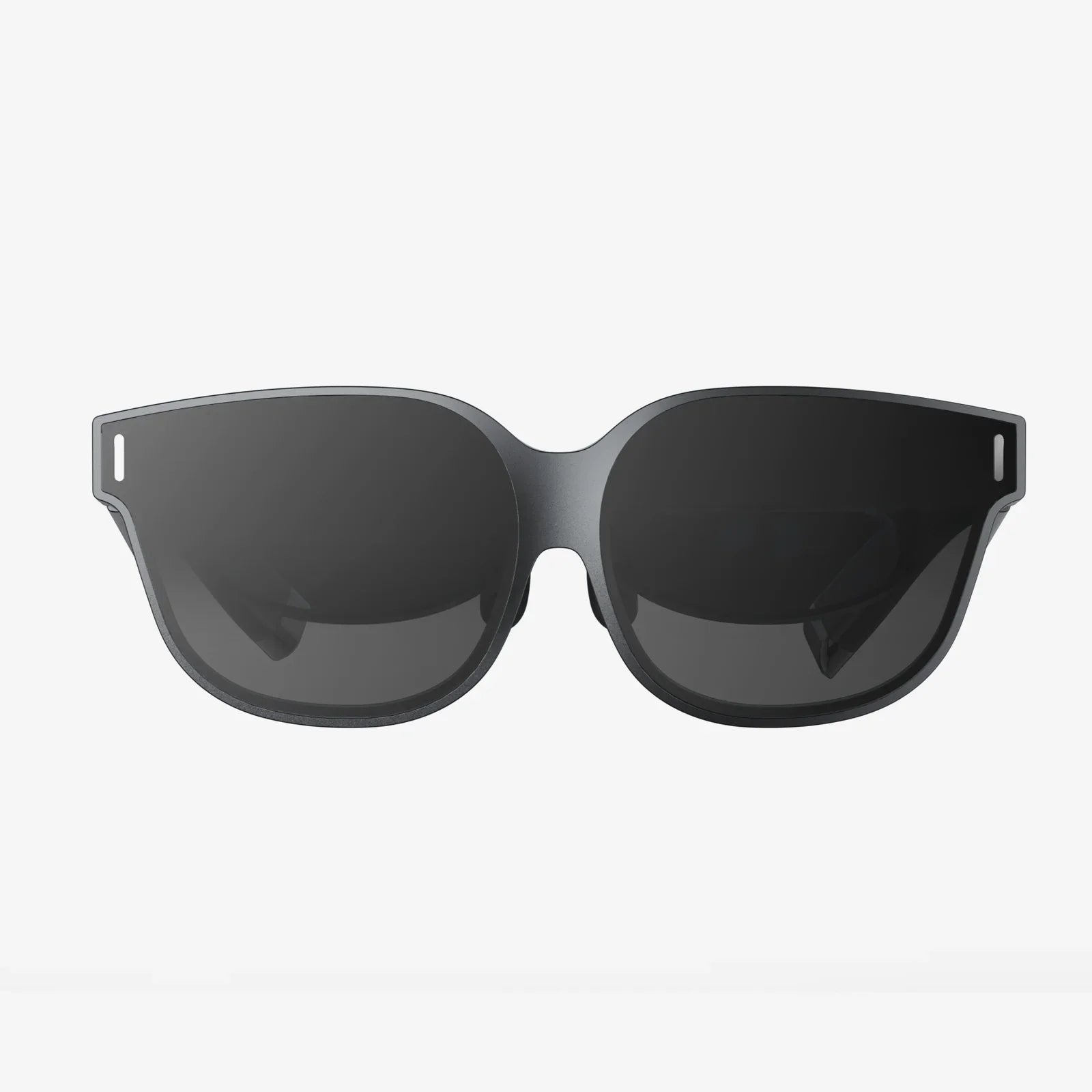
Imagine walking through the bustling streets of Orchard Road, where digital storefronts spring to life before your eyes, historical data overlays the colonial-era buildings, and navigation arrows guide you seamlessly to your next destination—all without ever looking down at your phone. This is the promise of AR glasses, a technological revolution quietly unfolding across Singapore, positioning the Lion City as a vibrant testing ground and early adopter hub for the next great computing platform. The fusion of the physical and digital worlds is no longer science fiction; it’s a reality being tried, tested, and integrated into the very fabric of this hyper-connected nation.
The Singaporean Landscape: A Fertile Ground for Augmented Innovation
Singapore’s unique characteristics make it an ideal ecosystem for the proliferation of AR glasses. As a compact, tech-savvy nation with one of the highest smartphone penetration rates globally, its population is primed for the next leap in personal technology. The government’s steadfast commitment to its Smart Nation initiative, which aims to harness technology for economic transformation and improved living, creates a supportive backdrop for immersive tech. Furthermore, Singapore’s robust infrastructure, including widespread 5G connectivity, provides the essential high-bandwidth, low-latency backbone required for powerful, cloud-rendered AR experiences that don’t drain a device’s battery.
This confluence of factors has attracted global tech giants, ambitious startups, and visionary developers to establish a presence here. They are drawn not only by the infrastructure but also by a regulatory environment that encourages innovation in fintech, medtech, and now, spatial computing. The result is a dynamic and collaborative environment where new use cases for AR glasses are being pioneered every day.
Beyond Novelty: Practical Applications Taking Root
The true value of any technology is measured not by its hype but by its utility. In Singapore, AR glasses are rapidly moving beyond cool demos and finding serious applications across diverse sectors.
Retail and E-Commerce Reimagined
The retail sector, a cornerstone of Singapore’s economy, is undergoing a profound transformation. Imagine trying on sunglasses or makeup virtually from the comfort of your home, with AR glasses projecting a hyper-realistic simulation onto your reflection. Furniture retailers are enabling customers to see how a new sofa would look and fit in their actual HDB flat, scaling it perfectly to the room’s dimensions. This ‘try-before-you-buy’ paradigm, powered by AR, reduces purchase hesitation and product returns, creating a more confident and satisfying consumer journey.
Revolutionizing Enterprise and Industry
Perhaps the most significant impact is occurring in enterprise. For Singapore’s crucial manufacturing, logistics, and maintenance sectors, AR glasses are a game-changer.
- Remote Expertise and Assistance: A technician in a Jurong industrial park can receive real-time guidance from a specialist located anywhere in the world. Through the glasses, the expert can see the technician’s view, annotate the physical machinery with digital arrows and notes, and guide them through complex repair procedures, drastically reducing downtime and travel costs.
- Hands-Free Warehouse Operations: In massive logistics warehouses, workers equipped with AR glasses can see digital pick lists and optimal navigation paths directly in their line of sight. They can scan items without fumbling for a handheld device, receiving instant verification, which streamlines operations and minimizes errors.
- Enhanced Training and Onboarding: New employees can learn complex assembly tasks with digital instructions overlaid onto the physical components they are handling. This accelerates the learning curve and ensures procedures are followed with precision and consistency.
Transforming Education and Cultural Heritage
Singapore’s rich history and commitment to education present fertile ground for AR. Students on a field trip to Fort Canning Park could witness historical re-enactments unfold on the very ground where events occurred. Science students could dissect a virtual frog or explore the human circulatory system in 3D, creating immersive and unforgettable learning experiences. Museums are already experimenting with AR to bring static exhibits to life, offering visitors a deeper, more engaging understanding of artifacts and artworks.
Tourism and Navigation in the Urban Jungle
For a country that thrives on tourism, AR glasses offer a powerful new way to explore. Tourists could receive contextual information about landmarks like Marina Bay Sands or the Sri Mariamman Temple simply by looking at them. Language barriers can be broken with real-time translation of signs and menus displayed through the lenses. Wayfinding becomes intuitive, with glowing paths and directional cues superimposed onto the real world, guiding visitors effortlessly through the MRT system or the winding paths of Gardens by the Bay.
Navigating the Current Ecosystem: Availability and Considerations
For the curious consumer or business in Singapore, accessing this technology is becoming increasingly straightforward. A variety of AR wearables are available through several channels, ranging from online tech marketplaces to specialized electronics retailers and authorized enterprise distributors. Pop-up showcases and tech fairs, such as those often held at Marina Bay Sands or Suntec City, provide valuable opportunities for hands-on demos, allowing people to experience the technology firsthand and understand the differences between various models.
When considering a purchase, several factors come into play. The market is broadly split into two categories: consumer-focused glasses, which often prioritize style, comfort, and basic functionality like notifications and photography, and enterprise-grade headsets, which are built for durability, industrial use, and running complex custom software. Key considerations include:
- Field of View (FOV): The size of the digital window you see. A larger FOV provides a more immersive experience.
- Display Technology: Methods like waveguide and microLED affect brightness, clarity, and battery life.
- Form Factor and Design: Balancing performance with a socially acceptable, wearable design is the industry's holy grail.
- Battery Life: Crucial for all-day enterprise use or extended exploration.
- Software Ecosystem: The availability of apps and services that deliver the actual value.
Pricing varies significantly, from more accessible consumer models to high-end professional devices that represent a serious enterprise investment.
Gazing into the Crystal Ball: The Future of AR in Singapore
The trajectory of AR glasses points toward a future where they become as ubiquitous as smartphones. We are moving toward sleeker, lighter designs that resemble standard eyewear, powered by increasingly powerful and efficient chips. The distinction between AR and Virtual Reality (VR) will blur with devices capable of seamlessly transitioning between augmented and fully immersive experiences.
Singapore is poised to be at the forefront of this evolution. We can anticipate deeper integration with city-wide services—imagine AR glasses providing public transport updates, emergency alerts, or information about community events. The rise of the spatial web, where digital information is mapped to physical locations, will turn the entire city into an interactive interface. Furthermore, as AI agents become more sophisticated, your AR glasses could evolve into a personal concierge, analyzing your surroundings and proactively offering relevant information and assistance throughout your day.
Challenges and the Road Ahead
Despite the exciting potential, the path forward is not without hurdles. Social acceptance is key; the technology must become unobtrusive and stylish to be adopted en masse. Significant challenges remain in perfecting gesture and voice control for intuitive interaction. Furthermore, critical conversations around data privacy, security, and digital etiquette in public spaces are essential. How do we prevent digital spam from cluttering our reality? Who owns the data collected about what we look at and for how long? Singapore’s proactive approach to governance and cybersecurity will be crucial in establishing a trusted and ethical framework for the widespread use of this powerful technology.
The fusion of the digital and physical realms through AR glasses is not just coming; it’s already unfolding on the streets of Singapore. From revolutionizing how businesses operate to offering breathtaking new ways to learn, play, and connect, this technology holds the potential to redefine our reality. The question is no longer if, but how quickly, we will all see the world through a new, augmented lens.
Share:
Infinite Screen Monitor The Future of Immersive Digital Workspaces
What Is AR on a Glasses Prescription? Decoding Your Eye Exam Results