


- by wangfred
AR Headset Cost Consumers: The True Price of Immersing in a New Reality
- by wangfred
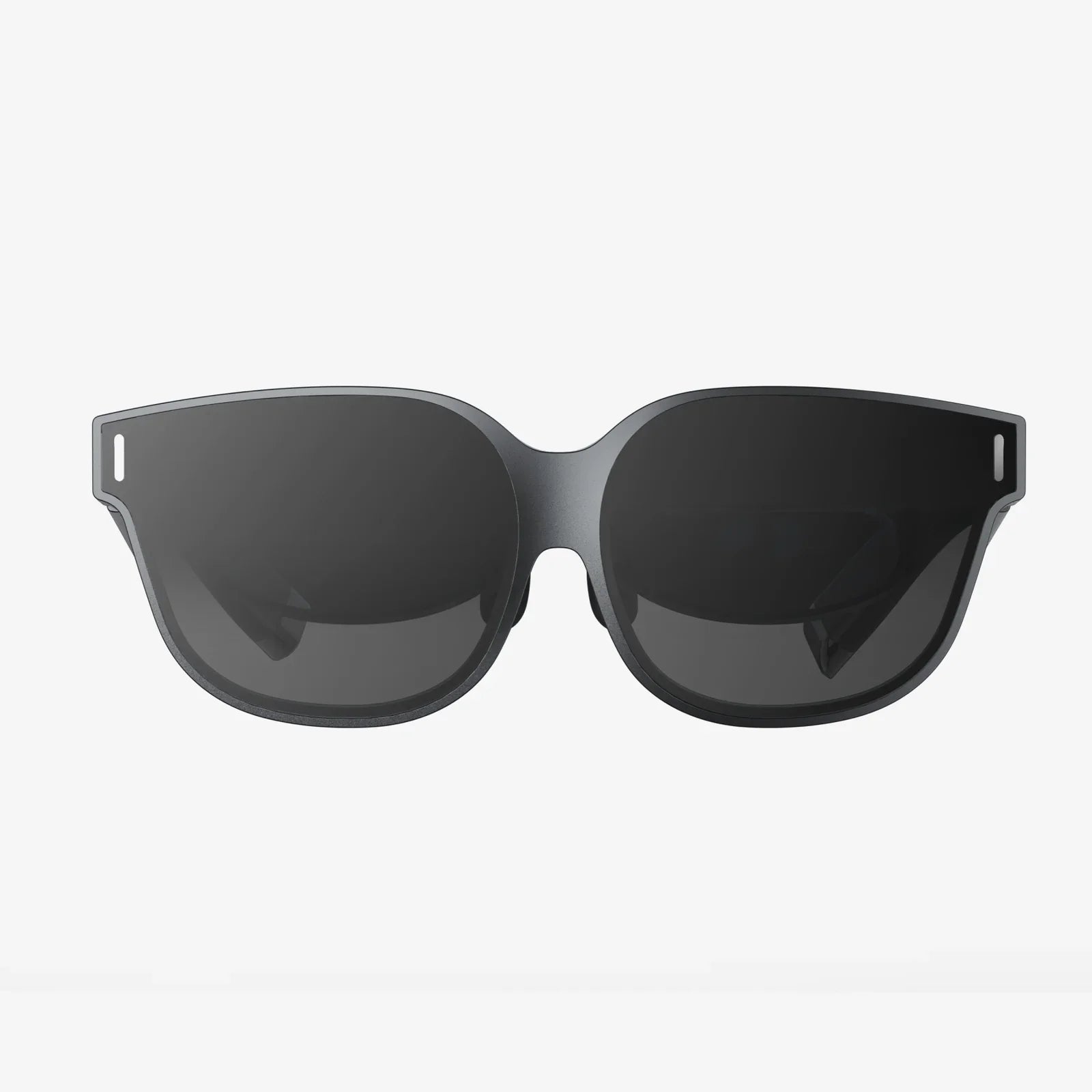
You’ve seen the future, and it’s breathtaking. Through promotional videos and tech demos, you’ve witnessed digital dragons land in your living room, intricate schematics overlaid onto complex machinery, and immersive tutorials that make learning feel like play. The promise of Augmented Reality (AR) is a powerful siren’s call, offering to seamlessly blend the digital and physical worlds to enhance our work, education, and entertainment. But as you reach for your wallet, a critical question emerges: what is the true AR headset cost consumers must be prepared to pay? The answer is far more complex and nuanced than a simple price tag on a box. It’s a multi-layered investment that extends far beyond the initial purchase, encompassing hardware, software, ecosystem commitments, and even a piece of your digital soul.
The most immediate and obvious cost is the one you pay at the checkout. The AR headset market is not a monolith; it is sharply stratified, offering different tiers of experience at wildly different price points. Understanding this spectrum is the first step in any purchasing decision.
At the apex of the market reside the standalone, all-in-one AR headsets. These devices represent the current pinnacle of consumer AR technology. They pack high-resolution displays, powerful processors, advanced depth-sensing cameras, precise inside-out tracking, and sophisticated spatial audio into a single, wearable unit. The research, development, and cutting-edge components required to create such a self-contained window into mixed reality come at a steep price. Consumers can expect to invest a sum comparable to a high-end laptop or a premium smartphone for these devices. This tier is for the early adopter, the developer, and the enterprise professional for whom the ROI on enhanced productivity or cutting-edge development justifies the significant upfront cost.
On the more accessible end of the spectrum are headsets that function as peripherals for a powerful smartphone. These devices are essentially sophisticated holders for your phone, using its display, processing power, and sensors to deliver AR experiences. By offloading the core computational workload, manufacturers can drastically reduce the bill of materials. The result is a much lower entry point, making AR experiences available to a mass audience. However, this cost saving comes with trade-offs: the experience is entirely dependent on the capabilities of your phone, and the form factor can be clunkier. The true cost here is the headset itself plus owning a recent, high-performance smartphone.
It’s crucial for consumers to recognize that many of the most advanced and expensive headsets are primarily targeted at industrial, medical, and military applications. Their price tags, often reaching several times that of premium consumer models, reflect ruggedized construction, specialized enterprise-grade software certifications, and ultra-high-precision tracking needed for tasks like performing surgery or guiding complex assembly lines. While consumers may see these devices, their cost structure is based on a completely different value proposition.
If the headset is the canvas, then software and content are the paint. The initial hardware purchase is merely the ticket to enter the arena; the real, long-term AR headset cost consumers face is in building and maintaining their digital toolkit.
Unlike a television that works out of the box, an AR headset is useless without software. Consumers will immediately find themselves browsing digital marketplaces. While many apps and games are free or freemium, the most polished, immersive, and productive applications often carry a premium price. A professional-grade design visualization tool, a intricate narrative game, or a comprehensive educational suite can represent a significant additional investment. The cost of building a robust library of AR apps and games can easily run into hundreds of dollars over time.
The modern software economy is built on subscriptions, and AR is no exception. Consumers may need to budget for monthly or annual fees to access cloud-based AR services, multiplayer functionalities, professional software suites, or exclusive content libraries. A fitness app might require a subscription for new workout routines, a navigation service might charge for premium AR directions, and a creative suite will likely operate on a SaaS (Software as a Service) model. This transforms the cost from a one-time purchase into an ongoing operational expense.
No device is an island. The experience is often enhanced—or sometimes, fully enabled—by additional peripherals. These can include:
Furthermore, the rapid pace of technological innovation means the upgrade cycle is relentless. A headset bought today may feel obsolete in two to three years as new models with lighter designs, better field of view, and improved performance hit the market. This creates a potential long-term financial commitment that consumers must consider.
The most profound and often overlooked aspect of the AR headset cost consumers face is not measured in dollars and cents. It is measured in data. AR headsets are, by their very nature, the most intimate data collection devices ever conceived for the mass market.
Consider what an AR headset sees and processes: a live, high-fidelity 3D map of your home, your workplace, and every other environment you use it in. It sees your gestures, tracks your eye movements, and hears your conversations. It can analyze what objects you own, how you interact with them, and even where you spend your time. This dataset is a goldmine, far more sensitive than the browsing history or purchase data collected by websites.
This raises critical questions about ownership and privacy. Who has access to this spatial data? Is it stored locally on the device, or is it uploaded to company servers for processing? How is it used? Could it be used to train AI models, for targeted advertising, or even sold to third parties? The terms of service for these devices often grant the manufacturer broad rights to collect and use this data. The cost of admission into the AR world may very well be the forfeiture of a deep layer of personal privacy. Consumers must read these agreements carefully and understand that the product is not just the headset; they themselves, and their environment, become part of the product ecosystem.
There are softer costs as well. The social awkwardness of wearing a conspicuous device in public, the potential for distraction in the real world, and the long-term psychological effects of constantly mediating reality through a digital filter are all unknown variables. While not a direct financial outlay, they represent a cost to one’s personal experience and social interactions that early adopters will inevitably navigate.
Faced with this intricate web of costs, how does a consumer determine value? The calculation is intensely personal and depends entirely on use case.
The key is to look beyond the hype and make a clear-eyed assessment. Consumers should ask: What specific problems will this solve for me? What experiences will it enable that are impossible otherwise? Will I use it enough to justify not just the purchase price, but the ongoing software and ecosystem costs?
The current high cost of premium AR is typical of any groundbreaking technology. Recall the cost of first-generation smartphones, HD televisions, or Blu-ray players. Widespread adoption drives competition, economies of scale in manufacturing, and technological refinements that lower costs. We can expect a similar trajectory for AR headsets.
Component costs for displays, sensors, and processors will fall. More efficient software development will lead to richer experiences on less expensive hardware. The emergence of a robust used market will provide a lower-cost entry point for budget-conscious consumers. Furthermore, alternative business models may emerge, such as device subsidies tied to long-term software subscription commitments, much like mobile phones are often sold with service plans.
While premium tiers will always exist with the latest technology, the floor for a good-quality AR experience will inevitably drop, making the technology accessible to a much broader audience. The question will shift from "Can I afford it?" to "What will I do with it?"
The shimmering promise of a digital layer atop our world is no longer science fiction—it’s a product you can order online. But before you click ‘buy now,’ look past the mesmerizing marketing and understand the full financial and ethical landscape. The true AR headset cost consumers face is a multi-year commitment that involves hardware cycles, software subscriptions, and a conscious decision about the value of your most personal data. It’s an investment not just in a device, but in a new way of perceiving and interacting with reality itself. The price of the future is high, but for those who navigate its costs wisely, the returns could be absolutely revolutionary.
Share:
iPhone 13 VR Goggles: Unlocking a New Dimension of Mobile Immersion
How to Build a VR Headset for PC: A Comprehensive DIY Guide to Immersive Technology