


- by wangfred
AR in Events: How Virtual Reality and Augmented Reality Are Revolutionizing Experiences
- by wangfred
Imagine attending a global product launch from your living room, yet feeling the electric buzz of the crowd and watching a life-sized holographic model materialize right before your eyes. Or picture walking through a historical museum exhibit where ancient civilizations spring to life from the artifacts themselves, telling their stories in your own space. This is no longer the stuff of science fiction; it is the present and future being shaped by the powerful convergence of Augmented Reality (AR) and Virtual Reality (VR) in the events industry. These technologies are not merely adding a layer of digital novelty; they are fundamentally rewiring the very DNA of what an event can be, breaking down physical and geographical barriers to create profound, memorable, and deeply personalized experiences.
Before diving into the applications, it's crucial to understand the distinct yet complementary nature of these two technologies. While often grouped under the umbrella of "immersive tech," they offer different experiences.
Virtual Reality (VR) is a fully immersive, digital experience. By wearing a headset, users are transported to a completely computer-generated environment, effectively shutting out the physical world. In the context of events, VR is the ultimate tool for transportation. It can place a user on a virtual stage alongside a speaker, inside a meticulously rendered product prototype, or within a fantasy world created for a brand activation. The key characteristic is presence—the convincing feeling of being somewhere else.
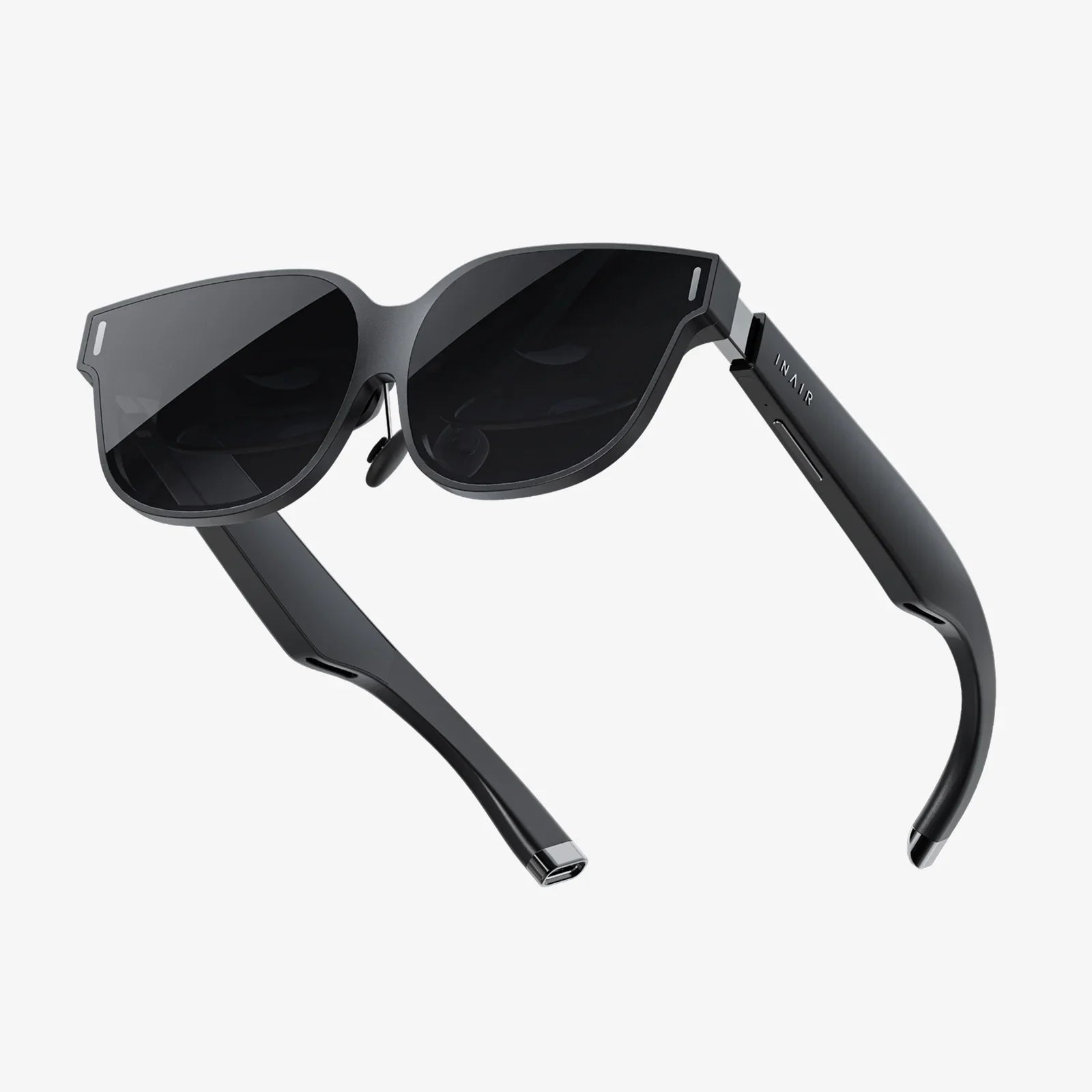
Augmented Reality (AR), on the other hand, overlays digital information onto the user's real-world environment. Through smartphone cameras, tablets, or AR glasses, users see their physical surroundings enhanced with digital layers—text, 3D models, animations, and data. AR doesn't seek to replace reality but to augment and annotate it. For events, AR is a tool for enhancement and interaction within one's existing space, making it incredibly accessible and contextually powerful.
Think of it this way: VR replaces your reality, while AR adds to it. Both are powerful tools in the event planner's arsenal, each suited to different objectives within the attendee journey.
The seismic shift towards remote work and digital connectivity, accelerated by global circumstances, forced the events industry to evolve or perish. This was the catalyst that propelled AR and VR from niche curiosities to central pillars of event strategy. The goal ceased to be about replicating an in-person event online and became about leveraging technology to create a new, superior form of engagement that physical events alone could never achieve.
Virtual events powered by VR platforms allow for a sense of shared space and serendipitous interaction that flat, 2D video conferencing cannot match. Attendees, represented by customizable avatars, can move around a virtual conference hall, bump into people at a digital coffee stand, and have natural, spatial audio conversations that mimic real-life networking. The feeling of "being there" with others fosters a stronger sense of community and connection, combating the isolation often associated with remote attendance.
AR, meanwhile, bridges the gap for hybrid events. A remote attendee watching a stream on their tablet could point their device at a QR code displayed on screen to make a 3D product model appear on their desk for a private, interactive inspection. This creates a parallel experience that is unique to the digital attendee, offering value beyond a simple video feed.
The influence of immersive technology extends throughout the entire event lifecycle, creating touchpoints of engagement long before the doors open and long after they close.
Gone are the days of simple email blasts and PDF brochures. Event organizers now use AR to create interactive invitations. A potential attendee might receive a physical mailer that, when viewed through their phone, transforms into a dynamic video message from the keynote speaker or a 3D animation teasing the venue. This not only generates excitement but also provides valuable data on engagement rates before the event even begins.
Furthermore, AR can be used to visualize the event space. An app could allow users to point their phone at a floor plan and see a 3D reconstruction of the expo hall, complete with booth locations and even scheduled activities, helping them plan their itinerary in an intuitive and engaging way.
For physical and hybrid events, one of the most immediate practical applications of AR is wayfinding. Large conference centers can be disorienting. An AR wayfinding app can overlay directional arrows onto the real-world view through a phone, guiding attendees seamlessly to their next session, the nearest restroom, or a specific exhibitor's booth.
Beyond navigation, AR acts as a powerful information lens. An attendee could point their device at a piece of art at a gallery opening or a complex piece of machinery at a trade show to trigger an overlay of specifications, artist bios, related video content, or interactive diagrams. This transforms passive viewing into an active, educational discovery process.
This is perhaps the most transformative area for B2B events. Physical booth space is expensive, logistically complex, and limited by what can be shipped and built. AR and VR shatter these constraints.
This not only reduces logistical costs but also generates richer analytics. Organizers and exhibitors can track which products were interacted with most, for how long, and what configurations were most popular, providing invaluable insights.
Gamification is a proven method for boosting engagement, and AR is its perfect vehicle. Scavenger hunts can be created where attendees must find and scan AR markers hidden around the venue to collect digital badges or enter prize drawings. This encourages exploration of the entire event space and interaction with a wider range of exhibitors.
Networking is also enhanced. AR name tags could display not just a name and company, but also key professional interests, social media handles, or shared connections when viewed through an app, making breaking the ice easier and more productive.
The event's end no longer means the end of engagement. Speakers' presentations can be archived as interactive VR experiences. Product demos accessed via AR can be shared with colleagues who couldn't attend, extending the reach and ROI of the event. A digital swag bag with AR filters or lenses related to the event can keep the brand top-of-mind long after the fact, creating a lasting digital artifact of the experience.
Despite the immense potential, widespread adoption faces hurdles. The cost of high-quality VR production and hardware access for all attendees can be prohibitive. AR experiences often rely on users downloading a specific app, creating friction. There are also concerns about digital equity, ensuring those with older smartphones or slower internet connections are not left behind. Furthermore, designing intuitive and truly valuable immersive experiences requires a new skill set, blending event planning with UX design and software development.
However, the trajectory is clear. The technology is becoming more affordable and accessible. The evolution towards wearable AR glasses from major tech players promises a future where digital augmentation is seamless and hands-free, removing the smartphone barrier entirely. Advances in 5G and edge computing will enable more complex and responsive experiences in real-time.
We are moving towards a future where the line between physical and digital attendance will blur into irrelevance. An event will be a single experience accessed through multiple lenses—physical, AR, and VR—each offering a different but equally valuable perspective. The focus will shift from hosting an event to crafting a multifaceted experience that is globally accessible, deeply data-driven, and limited only by the imagination of its creators.
The most successful events of tomorrow won't ask if you're attending in person or online. They'll simply ask you to step into the experience, ready to be surprised, connected, and transformed, regardless of where your physical body resides. The stage is no longer a physical platform at a fixed location; it is anywhere these technologies can reach, and the audience is now global, engaged, and waiting for the next act to begin.
Share:
AR Projector System: The Future of Immersive Interaction is Here
AR Projector System: The Future of Immersive Interaction is Here