


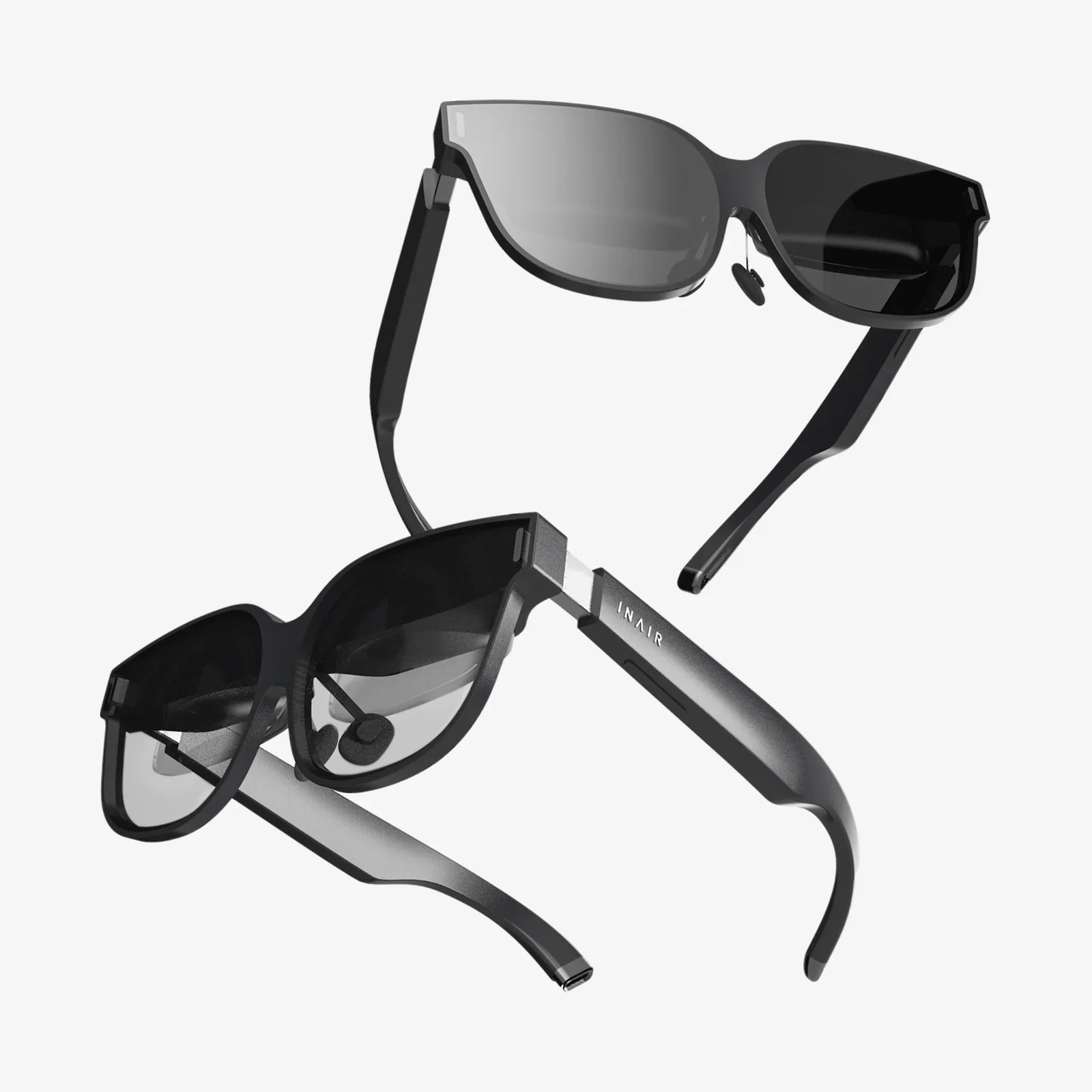
Imagine a world where your living room transforms into a dinosaur habitat, your favorite movie character sits beside you on the couch to explain the plot, and the concert poster on your wall bursts into a full-blown light show. This is no longer the stuff of science fiction; it is the present and future being built by Augmented Reality (AR) in media and entertainment. This technological leap is not merely adding a layer of digital glitter to our experiences; it is orchestrating a profound, invisible revolution, seamlessly weaving the digital and physical to create narratives and interactions that were once unimaginable. It’s a silent disruption, happening not on a distant screen, but all around us, turning every space into a potential stage and every viewer into an active participant.
From Novelty to Narrative: The Evolution of AR Storytelling
The journey of AR in entertainment began with simple overlays and gimmicks—a static 3D model viewed through a smartphone screen. Today, it has matured into a sophisticated storytelling medium. The core of this evolution lies in its shift from being a feature to being a framework for narrative.
Modern AR experiences are leveraging advanced computer vision, spatial mapping, and persistent cloud anchors to create stories that are anchored in the real world. Unlike Virtual Reality (VR), which seeks to replace reality, AR enhances it. This allows for a unique form of storytelling that is both personal and contextual. A narrative can unfold on your kitchen table, using your surroundings as key plot elements. A detective story might have you scanning real-world objects for clues, or a historical drama might superimpose characters and events onto the very locations where they happened, viewed through your device.
This creates an unprecedented level of immersion and emotional connection. The audience is no longer a passive consumer but an active explorer within the storyworld. The boundaries between the narrative and the individual’s personal space blur, making the experience more memorable and impactful. This is a fundamental rewrite of the contract between creator and consumer.
The Stage Comes Alive: Revolutionizing Live Events and Performances
Perhaps the most visually stunning application of AR is in the realm of live events. Concerts, theater, and sporting events are being utterly transformed, breaking free from the physical and financial constraints of traditional staging.
At a live music performance, AR can project breathtaking visuals, animated characters, and dynamic set pieces that interact with the performers in real-time. A singer could summon a digital storm above the stage, or a dancer could leave trails of light with every movement. For the audience, whether in the arena or watching from home, this creates a spectacle that was previously only possible in big-budget films. It democratizes access to incredible visual effects, allowing artists with vision but smaller budgets to create unforgettable shows.
Furthermore, AR is enhancing the fan experience directly through their personal devices. Pointing a smartphone at the stage could display setlists, lyrics, or the names of band members. At sporting events, fans can access real-time player stats, see first-down lines superimposed on the field, or even watch instant replays from any angle right from their seats. This hyper-contextual layer of information deepens engagement and provides a customized experience for every attendee.
Beyond the Screen: Interactive Marketing and Audience Engagement
The paradigm for marketing in the entertainment industry has shifted from interruption to interaction. AR sits at the very heart of this new strategy. Instead of a static billboard or a 30-second commercial, studios and networks are creating interactive AR experiences to generate buzz and deepen fan engagement.
Movie posters can come to life, allowing users to pose with digital versions of characters or watch an exclusive trailer. Packaging for physical media or consumer products can be transformed into a gateway for games, exclusive content, and behind-the-scenes footage. This not only serves as a powerful promotional tool but also adds tangible value to physical purchases, creating a compelling reason for consumers to engage with the brand long after they leave the theater or store.
This strategy fosters a sense of community and discovery. Fans become advocates as they share their unique AR interactions on social media, effectively becoming a decentralized marketing force. It turns a one-way message into a two-way conversation, building anticipation and loyalty in a way traditional advertising never could.
The Technical Magic: How AR Creates Believable Illusions
The seamless magic of a good AR experience relies on a complex stack of technologies working in perfect harmony. Understanding a few key components reveals the engineering marvel behind the illusion.
- Simultaneous Localization and Mapping (SLAM): This is the foundational technology that allows a device to understand and map its environment in real-time. By analyzing sensor data from cameras and inertial measurement units (IMUs), SLAM algorithms create a digital spatial map, allowing virtual objects to be placed and persist accurately within the physical world.
- Surface Detection and Occlusion: For immersion to be believable, digital objects must interact realistically with the real world. Surface detection allows a virtual character to sit convincingly on a real-world couch. Even more advanced is occlusion, where real-world objects can pass in front of digital ones, blocking them from view just as they would a physical object. This sells the illusion that the digital asset truly exists in the space.
- Cloud Anchoring and Persistence: Early AR experiences were isolated to a single device and session. Cloud anchoring allows digital content to be persistently tied to a specific geographic location. This means multiple users can experience the same AR object in the same place at different times, enabling shared social experiences and location-based storytelling.
- Wearable Technology: While smartphones are the current gateway, the future lies in lightweight, stylish AR glasses. These wearables will provide a truly hands-free, always-available overlay on reality, moving the experience from a held window to an integrated part of our perception.
Navigating the New Frontier: Challenges and Ethical Considerations
As with any powerful technology, the rise of AR presents a series of challenges that creators, platforms, and society must address.
Privacy and Data Security: AR devices, by their very nature, are data collection powerhouses. They have continuous cameras and sensors mapping everything they see. The potential for misuse of this environmental and biometric data is significant. Robust frameworks for data ownership, consent, and anonymization are not just advisable; they are critical for public trust.
Digital Litter and Spatial Spam: As it becomes easier to place persistent digital content in the world, we risk polluting our physical environments with unwanted advertisements and graffiti. Imagine a beautiful city park cluttered with virtual billboards. Establishing digital zoning laws and user-controlled filters will be essential to preserve the quality of our shared spaces.
The Reality Gap: As AR content becomes more convincing, the line between what is real and what is augmented will blur. This raises concerns about misinformation, manipulated experiences, and even psychological effects. Establishing ethical guidelines for content creation and clear visual cues to distinguish AR from reality will be a crucial ongoing discussion.
The Future is Augmented: What Lies on the Horizon
The trajectory of AR points toward a future where the technology becomes as ubiquitous and invisible as the internet itself. We are moving toward a world of ambient computing, where information and experiences are available contextually wherever we look, without the need to consciously pull out a device.
Future advancements will include:
- Photorealistic Rendering: Real-time graphics will become indistinguishable from reality, making digital characters and objects utterly believable.
- Haptic Feedback Integration: Wearables will evolve to provide tactile sensations, allowing users to "feel" virtual objects, deepening the immersion to unprecedented levels.
- AI-Powered Contextual Awareness: AR systems will be driven by artificial intelligence that understands not just the environment, but the context of a situation, proactively offering relevant information and interactions.
- The Metaverse Convergence:The Metaverse Convergence: AR will act as the primary bridge between our physical world and the vast, interconnected digital worlds of the metaverse, allowing us to interact with persistent digital spaces and communities as naturally as we interact with our own homes.
The revolution powered by AR in media and entertainment is only just beginning. It’s a shift from storytelling to world-building, from broadcasting to interacting, and from watching to experiencing. This invisible layer, woven seamlessly into the fabric of our reality, promises a future where our imagination is the only true limit to the stories we can tell and the worlds we can explore, all from right where we stand. The screen is dissolving, and the world itself is becoming the ultimate canvas for human creativity.
Share:
Where to Buy VR Goggles: Your Ultimate Guide to Navigating the Virtual Marketplace
Digital Audio Interaction: The Unseen Conversation Reshaping Our World