


- by wangfred
AR Lens Meaning: The Digital Filter Reshaping Your Reality
- by wangfred
Imagine looking through your camera and seeing a prehistoric dinosaur stomping through your local park, a virtual sofa perfectly placed in your living room before you buy it, or a navigation arrow painted directly onto the road ahead. This is no longer the stuff of science fiction; it’s the immediate, tangible magic made possible by a transformative technology known as the AR lens. This digital layer, superimposed onto our physical reality, is rapidly evolving from a novel gimmick into an indispensable tool, fundamentally altering how we interact with information, commerce, and each other. The meaning of an AR lens extends far beyond a simple camera filter; it represents a new paradigm for human-computer interaction, a gateway to a seamlessly blended world of bits and atoms.
To truly grasp the AR lens meaning, we must first dissect the term itself. Augmented Reality (AR) is the overarching technology that enhances our real-world environment by overlaying digital information—images, text, 3D models, audio—onto it. Unlike Virtual Reality (VR), which creates a completely immersive, digital environment, AR starts with the real world and adds to it. The term lens is metaphorical but incredibly apt. In optics, a lens is a device that focuses or disperses light, altering our perception of reality. An AR lens acts as a digital counterpart, focusing and layering computer-generated sensory inputs onto our view of the physical world.
Therefore, an AR lens is not a physical piece of glass but a software-driven framework. It is the algorithmic engine that enables a device's camera to capture the real world, understand it, and then compose and anchor digital content within that live feed in real-time. This process involves a sophisticated technological ballet that happens in milliseconds.
The magic of an AR lens is powered by a confluence of advanced technologies working in harmony. Understanding this process is key to appreciating its complexity and potential.
This is the foundational sense of the AR lens. Through the device's camera, computer vision algorithms analyze the video feed to understand the environment. This involves:
Once the environment is understood, the AR lens must track the device's movement and keep the digital content perfectly anchored. This is achieved through a fusion of data from the camera (visual-inertial odometry) and the device's internal sensors—the accelerometer and gyroscope—which measure movement and rotation. This ensures that a virtual cat sitting on your rug will stay there even if you walk around it, maintaining the illusion of a persistent object in real space.
The final step is the seamless composition of the digital content onto the live camera feed. The graphics engine must render 3D models, animations, and effects with realistic lighting and shadows that match the physical environment. This rendered composite is then displayed on the screen, creating the final augmented experience for the user. The goal is photorealism—making the digital elements feel like a natural part of the world.
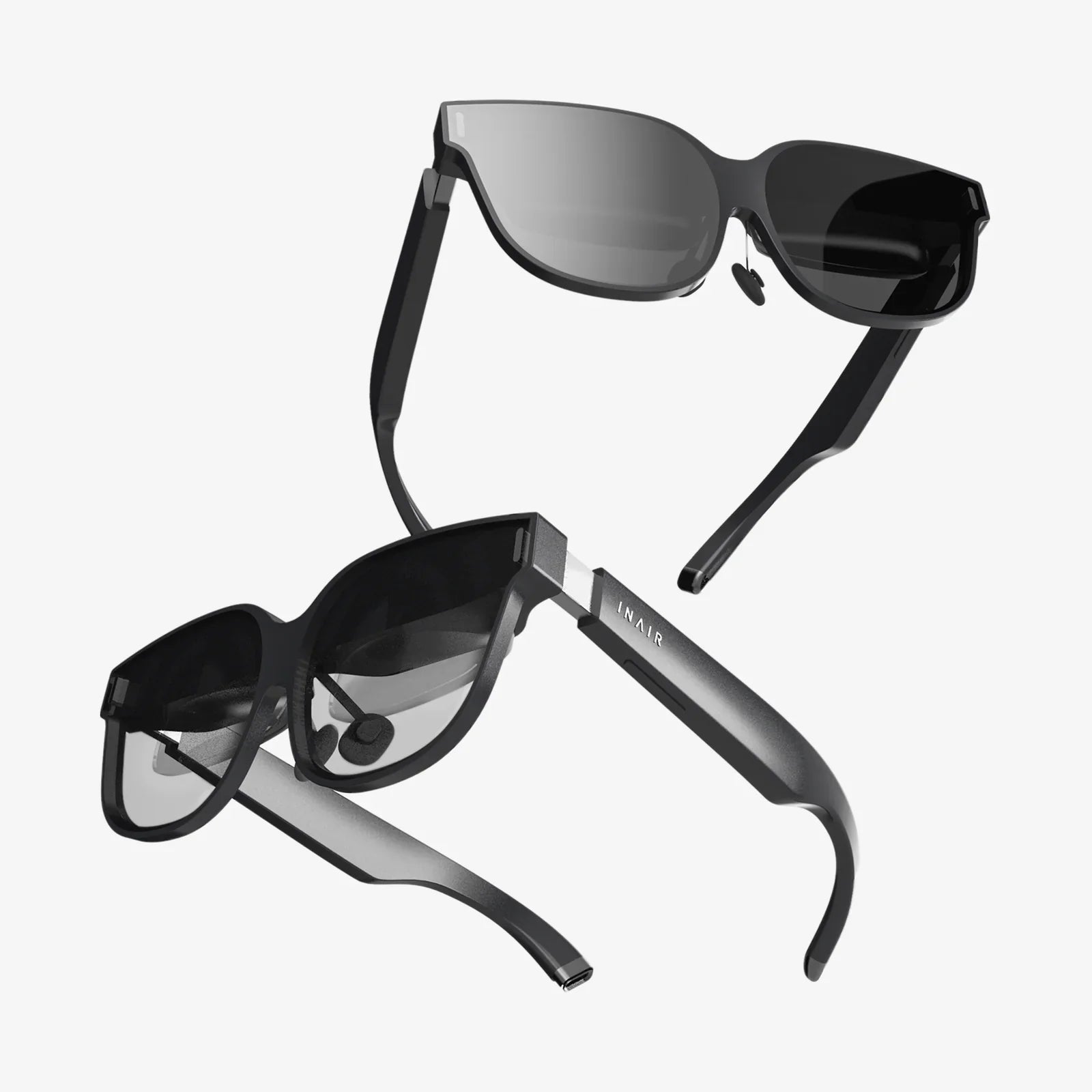
AR lenses are delivered through various hardware, each offering a different level of immersion and capability.
The true AR lens meaning is revealed not in its technical specs, but in its profound applications across countless sectors. It is a utility limited only by imagination.
AR lenses are revolutionizing shopping. Consumers can use their phone's camera to see how a new watch would look on their wrist, how a shade of lipstick complements their skin tone, or how a piece of furniture fits and looks in their actual living room. This reduces purchase uncertainty, minimizes returns, and creates a more engaging and confident shopping experience, effectively bridging the gap between online and in-store retail.
Imagine medical students practicing complex surgical procedures on a hyper-realistic, virtual patient hovering over a real operating table. Mechanics seeing an exploded, animated view of an engine they are repairing. Or history students walking through a digitally reconstructed ancient Roman forum. AR lenses make abstract concepts tangible and provide safe, repeatable, and highly effective training environments, drastically accelerating the learning curve.
For field technicians, an AR lens can be a superpower. By looking at a complex piece of machinery through a tablet or smart glasses, they can see diagnostic data, animated repair instructions, and safety warnings overlaid directly onto the components they are working on. This improves accuracy, reduces downtime, and empowers less-experienced workers to perform complex tasks with expert guidance.
Forget looking down at a tiny blue dot on a map. AR navigation apps use the camera to paint directions onto the real world—arrows on the street, flags on destinations, and information about nearby points of interest. This intuitive guidance is especially powerful in complex indoor environments like airports, hospitals, and shopping malls.
Popularized by social media platforms, AR lenses have become a cultural phenomenon. From playful face filters that add puppy ears to sophisticated effects that transform a user's environment, these lenses have redefined creative expression and communication. In gaming, they have created entirely new genres that blend the digital and physical playgrounds.
The journey of the AR lens is just beginning. The future points toward lighter, more powerful, and more socially acceptable smart glasses that we might wear all day. This will shift AR from a purposeful app we open to a persistent layer of reality we can summon at will. Contextual information about people we meet, real-time language translation overlaying street signs, and persistent digital art installations in public spaces will become commonplace.
However, this future is not without significant challenges. Technical hurdles like achieving all-day battery life, perfecting field of view, and creating realistic occlusion (where digital objects are hidden by real-world objects) remain. More importantly, societal and ethical questions demand careful consideration. Issues of data privacy, as these devices constantly scan our environments, digital advertising inundating our reality, and the potential for further blurring the lines between our digital and physical lives present complex problems that we must solve as a society.
The meaning of an AR lens is a story still being written. It is a tool of immense power, capable of enhancing human ability, democratizing information, and fostering deeper connections with our environment. It is a canvas for creativity and a engine for industrial efficiency. As this technology continues to mature and weave itself into the fabric of our daily lives, our challenge will be to guide its development thoughtfully, ensuring that this new lens through which we see the world ultimately helps us see each other, and our reality, more clearly.
You've already glimpsed the future through your phone screen; the next step is to step through the looking glass for good. The world is about to get a major software update, and the interface is everything you can see.
Share:
See Through Augmented Reality Glasses Are Redefining Our World
See Through Augmented Reality Glasses Are Redefining Our World