


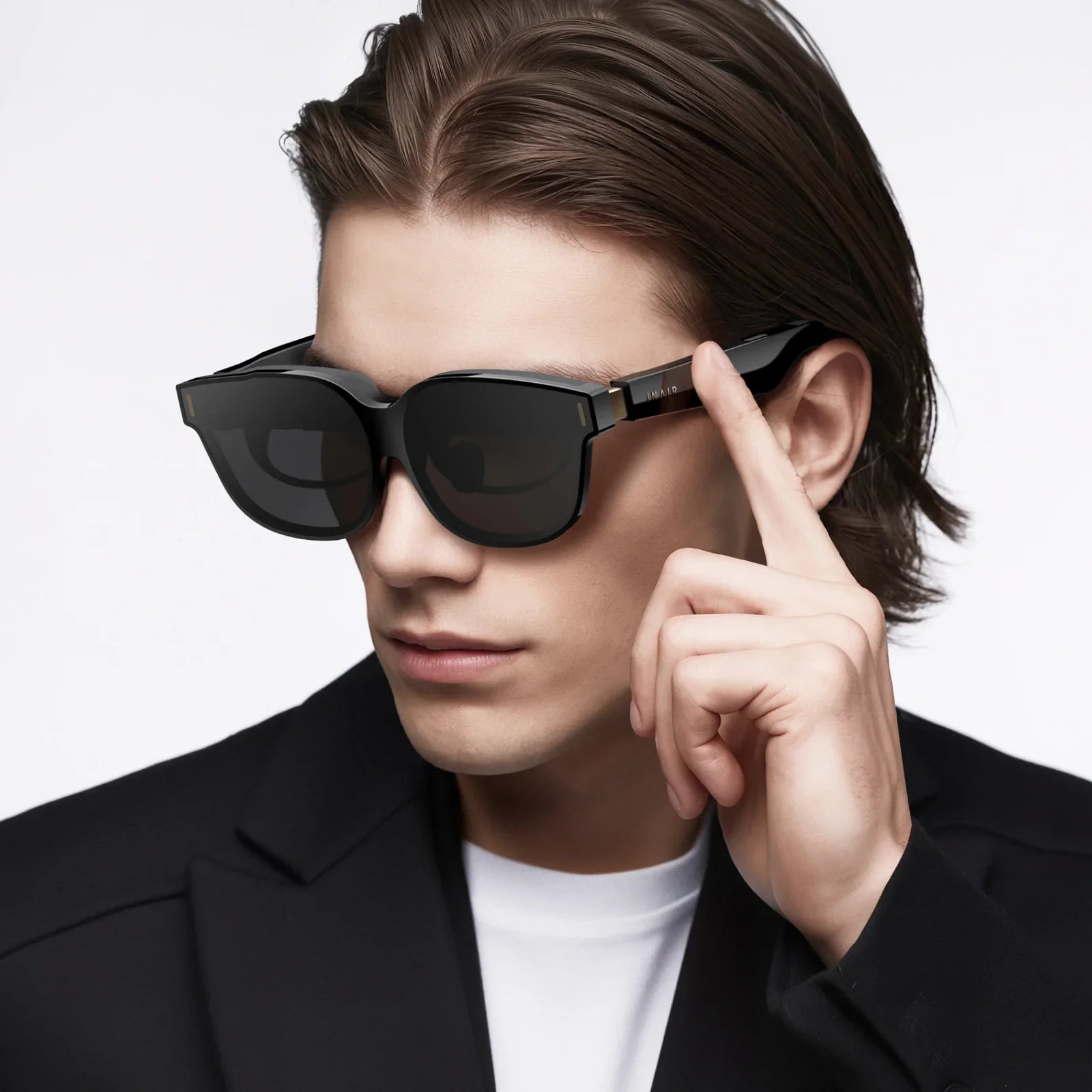
In the ever-evolving landscape of personal technology, our digital eyes are becoming more sophisticated, more integrated into our daily lives. We are on the cusp of a revolution where the digital and physical worlds seamlessly merge, and at the forefront of this convergence are the lenses through which we perceive this new reality. Protecting these delicate portals is not merely an accessory; it's a necessity for preserving the magic and ensuring the longevity of our most advanced gadgets. The journey into this enhanced world begins with a single, crucial component: the AR lens protector.
The Foundation: Understanding Augmented Reality Lenses
Before we can appreciate the protector, we must first understand what it shields. Augmented Reality (AR) lenses are not simple pieces of glass or plastic. They are complex optical systems engineered to project digital information onto the user's field of view while allowing the real world to remain visible. These lenses often incorporate waveguides, micro-projectors, and intricate coatings that bend light in precise ways to create the illusion that holograms and data exist in the space around us.
The surface of an AR lens is a marvel of nano-engineering. It is typically treated with multiple layers of anti-reflective (AR) coatings. These coatings are designed to minimize glare and reflections, which is paramount for ensuring a clear, bright, and immersive visual experience. Without them, the displayed images would be washed out, difficult to see, and potentially dangerous if used in environments where clarity is key. The inherent delicacy of these coatings, however, makes them susceptible to scratches, smudges, and degradation from environmental factors.
Why Your Priceless Optics Demand Protection
The investment in a high-tech AR device is significant. Beyond the financial cost, these devices represent the pinnacle of current consumer technology. The lenses are the soul of the device; if they are compromised, the entire functionality is crippled. A single deep scratch can distort projected images, create annoying visual artifacts, and permanently diminish the user experience. Furthermore, the oils from skin, dust particles, and everyday pollutants can accumulate, not just obscuring vision but potentially etching into the delicate coatings over time.
An AR lens protector acts as a sacrificial barrier. It takes the brunt of the daily abuse—the accidental drops, the brushes against a table, the fingerprints during adjustment—so the original, irreplaceable lens does not have to. It is the first and most important line of defense in preserving the integrity and value of the device. For many users, especially those in demanding professions or those who use their devices for outdoor activities, this protection is non-negotiable.
Deconstructing the Technology: More Than Just a Piece of Film
A high-quality AR lens protector is a technological product in its own right. It is not merely a cut piece of generic plastic. The best protectors are engineered with specific properties to complement and preserve the device's native capabilities.
Optical Clarity and Anti-Reflective Properties
The primary challenge for any lens protector is to add a layer without detracting from the optical performance. Inferior protectors can introduce haze, reduce brightness, or create additional glare. A true AR lens protector will have its own multi-layered anti-reflective coating. This ensures that it mitigates reflections just as effectively as the original lens, if not more so, maintaining the high contrast and vividness of the displayed imagery. The material must have exceptionally high light transmittance, often over 99%, to avoid dimming the display.
Material Science: Hardness and Impact Resistance
The substrate material is crucial. Most premium protectors use tempered glass, similar to those found on high-end smartphones, but often of a higher optical grade. This glass is chemically treated to enhance its surface hardness, typically measured on the Mohs scale or through pencil hardness tests. A rating of 9H is common, indicating high resistance to scratches from sharp objects. Furthermore, the glass is engineered to be shatter-resistant. In the event of a significant impact, it is designed to absorb the energy and break in a contained, granular manner rather than shattering into sharp shards, protecting both the underlying lens and the user.
Oleophobic and Hydrophobic Coatings
Touch is inevitable. To combat the constant threat of fingerprints and smudges, premium AR lens protectors are coated with oleophobic (oil-repelling) and hydrophobic (water-repelling) layers. These coatings cause oils and water to bead up on the surface, making them incredibly easy to wipe away with a soft microfiber cloth. This not only keeps the view clear but also reduces the need for frequent cleaning, which itself can cause micro-abrasions over time.
Precision Fit and Adhesive Technology
A protector must fit perfectly. Even a slight misalignment can obstruct sensors, projectors, or the field of view. The best protectors are manufactured using precision laser cutting to ensure a perfect, seamless fit. The adhesive layer is equally important. It must be strong enough to hold the protector firmly in place without any bubbling or peeling at the edges, yet be entirely free of any residue upon removal. Modern adhesives are also formulated to be crystal clear, ensuring no optical distortion is introduced between the protector and the lens.
Navigating the Selection Process: A Buyer's Guide
With a market flooded of options, choosing the right AR lens protector can be daunting. Here are the key factors to consider to ensure you get a product that performs as promised.
Compatibility is King
The first and most critical step is to ensure the protector is explicitly designed for your specific device model. AR devices have unique lens curvatures, sizes, and placements. A universal or ill-fitting protector will at best be ineffective and at worst damage your device or completely block your view.
Prioritize Optical Performance
Look for protectors that explicitly advertise features like "99% Light Transmittance," "True AR Coating," and "High Definition Clarity." Read reviews that specifically mention whether there was any noticeable loss of brightness, increase in glare, or introduction of a "rainbow" effect. The protector should be invisible in use.
Assess the Protection Level
Check the specifications for hardness ratings (e.g., 9H hardness) and impact resistance certifications. If you lead an active lifestyle or work in a rugged environment, consider protectors that market themselves as "military-grade" or offer specific drop-test certifications.
Consider the Application Process
A great protector is useless if it's installed with dust bubbles underneath. Look for packs that include installation frames, alignment stickers, or detailed tutorial videos. Many brands provide a full installation kit with cleaning wipes, microfiber cloths, and dust-removal stickers to ensure a perfect, bubble-free application on the first try.
Dispelling Common Myths and Misconceptions
Several myths surround screen and lens protectors, and it's important to address them.
Myth 1: "They reduce touch sensitivity or interfere with sensors." A well-designed, ultra-thin protector will have zero effect on the device's functionality, including touch-sensitive areas or ambient light sensors.
Myth 2: "The original lens is already scratch-resistant; I don't need one." While original lenses are hardened, they are not scratch-proof. Sand, grit, and keys can still leave permanent marks. The protector is a cheap insurance policy against costly repairs or replacements.
Myth 3: "All protectors are the same; just buy the cheapest one." This is profoundly false. The difference in optical quality, coating durability, and adhesive performance between a budget protector and a premium one is night and day. A cheap protector can ruin the entire visual experience of a premium device.
The Future of Protection: Where Do We Go From Here?
The technology of AR lens protectors will continue to evolve alongside the devices they shield. We can anticipate developments in self-healing polymer films that can erase minor scratches over time, even more advanced anti-fog coatings for use in varying temperatures, and integrated nano-filter layers that can selectively block harmful blue light without distorting color accuracy. Furthermore, as AR devices become more fashion-forward and customizable, we may see protectors with subtle tints or privacy filters that black out the screen for anyone not directly in front of the user.
The relationship between the device and its protector is symbiotic. One enables a breathtaking new form of computing, while the other ensures that this vision remains pristine and untarnished for years to come. It is a small piece of technology that upholds the promise of a much larger one.
Imagine a world where your digital interactions are as clear and sharp as the world you see with your own eyes, where a protective barrier is so seamless it feels like it's not even there, yet it stands guard against the rigors of daily life. This is the promise fulfilled by a superior AR lens protector—an essential guardian for your window into the augmented future, ensuring that your view remains perfectly unobstructed, today and tomorrow.
Share:
Definition Virtual Office Workplace: The Complete Guide to the Borderless Professional Era
Augmented Reality Display Glasses: The Invisible Revolution Reshaping Our World