


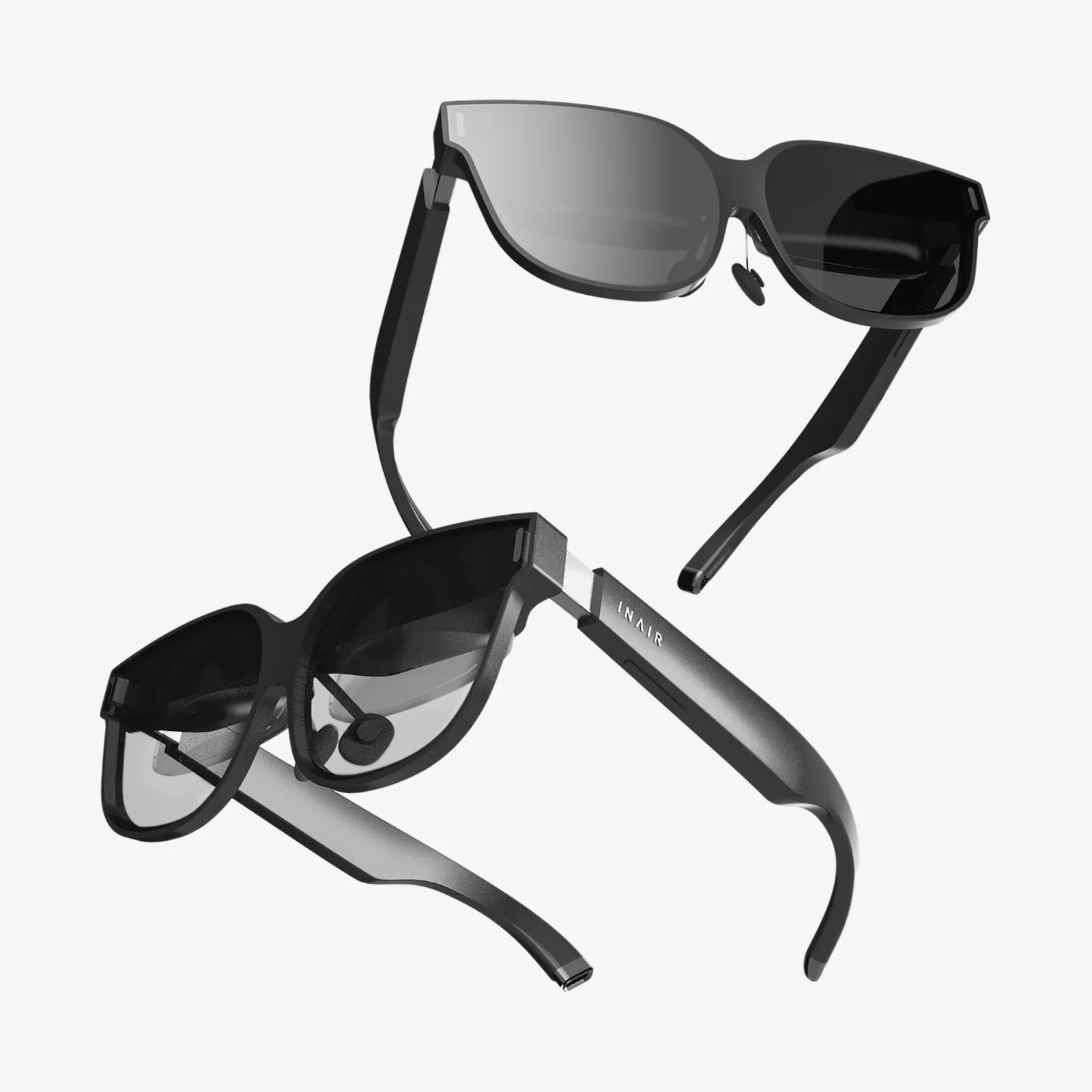
You've seen the futuristic promises of augmented reality, the digital overlays that transform how we work, play, and see the world. But before you take the plunge, one burning question inevitably arises: just how much do those magical AR lenses actually cost? The answer is far from simple, hidden behind a veil of complex technology and rapidly evolving market forces. Unraveling the true price of AR lenses is the first critical step from imagination to immersion, a journey into understanding the value behind the virtual.
The Foundational Elements: What Exactly Are You Paying For?
To comprehend AR lens pricing, one must first move beyond thinking of them as simple pieces of glass or plastic. They are sophisticated optical systems, miniature projectors fused with vision. The cost is not in the raw material but in the advanced engineering required to bend light in novel ways.
The Core Technologies Dictating Cost
At the heart of any AR lens system is the waveguide, the transparent substrate that guides light from a micro-display to the user's eye. The type of waveguide is perhaps the single greatest determinant of price.
- Birdbath Optics: A more traditional design using a beamsplitter to reflect displayed imagery. Generally offers a lower manufacturing cost but can result in bulkier form factors.
- Diffractive Waveguides (e.g., Surface Relief Gratings): Etched with nanoscale patterns to diffract light. Enable thinner, lighter lenses but involve complex and expensive mastering and replication processes, significantly driving up the price.
- Holographic Waveguides: Utilize holographic optical elements (HOEs) recorded in photopolymer materials. Promise excellent optical performance and design flexibility but are often at the premium end of the cost spectrum due to intricate production.
- Reflective Waveguides (e.g., Polarized): Use thin, multi-layer coatings to reflect light. Can offer a bright image and a large field of view but present challenges in uniform manufacturing yield.
Beyond the waveguide, the light engine is critical. This includes the micro-display (LCoS, Micro-OLED, Laser Beam Scanning) and the illumination system. Micro-OLEDs, which offer superior contrast and clarity, are currently more expensive than older technologies. Similarly, the combiners, mirrors, and other optical elements within the system must be manufactured to extreme tolerances, adding to the overall AR lenses price.
Materials Matter: From Standard Plastic to High-Index Glass
The substrate material plays a dual role: it must be optically perfect for the waveguide function and durable enough for everyday wear.
- Polycarbonate and Standard Plastics: Common, impact-resistant, and relatively inexpensive. However, they may lack the optical clarity and thermal stability of higher-end materials, potentially limiting performance in premium applications.
- High-Index Plastics and Resins: Offer better optical properties and can be made thinner. These materials are often used in higher-performance consumer and enterprise gear, commanding a higher price point.
- Optical Glass: Provides the highest level of optical clarity, scratch resistance, and thermal stability. The processing of glass for waveguides is incredibly difficult and low-yield, making it the most expensive option, typically reserved for specialized military or medical applications.
The Manufacturing Conundrum: Complexity, Yield, and Scale
If the bill of materials were the only cost, AR lenses would be expensive but predictable. The true challenge, and a massive contributor to the final AR lenses price, lies in manufacturing.
The Precision Problem
Creating a functional waveguide is an exercise in nano-scale precision. Features smaller than the wavelength of light must be etched or recorded with absolute accuracy. This requires a cleanroom environment and equipment akin to what is used in semiconductor fabrication. A single speck of dust or a minute error in the mastering process can ruin an entire batch, leading to low yields and high costs that are passed on to the consumer.
The Scale Paradox
Currently, the AR market is fragmented. Unlike smartphone displays, which are produced in the hundreds of millions, AR waveguides are made in much smaller batches. Manufacturers cannot yet leverage the massive economies of scale that drive down prices in other tech sectors. Each lens is, in effect, a low-volume, high-precision component. As adoption increases and manufacturing processes mature (e.g., moving from wafer-based to roll-to-roll processing for polymer waveguides), this is one of the most significant areas for potential price reduction.
Market Segmentation: A Tale of Different Price Tiers
The intended use case dramatically influences the features, performance, and consequently, the price of AR lenses. The market is broadly segmented into three tiers.
Consumer Grade (The Emerging Market)
Focused on everyday use, social interaction, and light productivity. These systems prioritize style, comfort, and battery life. The optical performance might be more modest—a standard field of view and brightness sufficient for indoor use. The AR lenses price here is fiercely contested, with manufacturers aiming for a mass-market-friendly point. Costs are driven down through design compromises, plastic materials, and simpler optical architectures. Expect this tier to see the most rapid price erosion as competition intensifies.
Enterprise and Professional Grade (The Workhorse)
Designed for mechanics, surgeons, field engineers, and warehouse logistics. Durability, high brightness for outdoor readability, longer battery life, and specialized software integrations are paramount. These devices often use more robust materials and higher-performance optical systems (e.g., diffractive waveguides) to meet these demands. The AR lenses price is significantly higher, but it is justified as a tool that improves efficiency, accuracy, and safety, delivering a clear return on investment.
Specialized and Military Grade (The Premium Peak)
This tier includes applications like advanced surgical guidance, complex machinery design, and military heads-up displays. Here, performance is non-negotiable. Requirements might include night vision compatibility, extremely wide field of view, phenomenal resolution, and ruggedization for extreme environments. These systems employ the most advanced materials like optical glass, custom coatings, and exotic optical designs. Manufacturing is essentially bespoke, with yields taking a back seat to performance. The AR lenses price in this category can be astronomical, reflecting their critical, specialized nature.
Beyond the Sticker Price: The Total Cost of Ownership
Focusing solely on the upfront AR lenses price is shortsighted. The total cost of ownership (TCO) includes several other factors that impact long-term value.
- Software and Ecosystem: The most advanced lenses are useless without powerful software. Subscription fees for enterprise platforms or a cut of software sales from an app store can be part of the business model, indirectly affecting the hardware's pricing strategy.
- Power Consumption and Battery Life: A device that needs constant charging or has bulky battery packs creates an intangible cost in user frustration and limited utility.
- Durability and Repairs: How scratch-resistant are the lenses? If a waveguide is damaged, can it be replaced individually, or does it require a full unit swap? Repair costs are a hidden part of TCO.
- Prescription Integration: For users who need vision correction, adding prescription power to AR lenses adds another layer of complexity and cost, either through inserts or custom-ground waveguides.
The Future of AR Lenses Price: A Trajectory of Disruption
History in the technology sector is clear: prices fall as innovation and scale accelerate. The AR lens market is poised to follow this path, but several key breakthroughs will be necessary.
Manufacturing Revolution
The shift from expensive, low-yield processes like semiconductor-style lithography to more scalable methods like nanoimprint lithography (NIL) or holographic recording for mass production is crucial. This will dramatically reduce the per-unit cost of the most expensive component: the waveguide.
Material Science Advances
New polymer blends and nanocomposites that offer the optical properties of glass with the weight, durability, and manufacturability of plastic will be a game-changer. These materials will enable high performance without the exorbitant cost.
Increased Competition and Standardization
As more players enter the market, competition will drive down margins. Furthermore, the potential development of standard optical modules could create a competitive supplier ecosystem, breaking down proprietary monopolies and fostering price competition.
Making Your Decision: Balancing Budget and Vision
When evaluating options, don't just look for the cheapest sticker price. Adopt a value-based approach. Ask yourself: What is the primary application? What level of visual fidelity is truly necessary? Is durability more important than a sleek form factor? For an enterprise, calculate the potential ROI from increased productivity. For a consumer, consider the ecosystem and long-term software support. The right choice isn't the absolute cheapest or the most expensive; it's the one where the AR lenses price accurately reflects the value you expect to receive, turning a cost into an investment in a new way of seeing.
The landscape of AR lens pricing is a dynamic map of cutting-edge physics, complex manufacturing, and strategic market forces. While the upfront cost may seem daunting today, every technological revolution starts with premium prices that pave the way for mass adoption. Understanding the why behind the number empowers you to see past the price tag and glimpse the real value—the transformative potential to augment not just your vision, but your entire reality. The journey to finding the right pair is about aligning your budget with your vision of the future, one where the digital and physical worlds finally, and seamlessly, converge.
Share:
Wearable Performance Device: The Ultimate Guide to Optimizing Your Potential
Best Bluetooth Safety Glasses: The Ultimate Guide to Smart Hearing Protection