


- by wangfred
AR Meet: The Future of Collaboration and Connection is Here
- by wangfred
Imagine walking into a meeting room where your colleagues from across the globe are sitting across the table from you, not as flickering images on a screen, but as life-like holograms. You can pass a 3D model of a new product prototype to them, and they can hold it, rotate it, and examine it from every angle as if it were physically present. This is not a scene from a science fiction movie; this is the imminent future of human interaction, and it begins with an AR meet. This technology is poised to shatter the limitations of traditional video conferencing, transforming sterile digital calls into dynamic, shared experiences that feel astonishingly real. The era of flat, disconnected collaboration is ending, and a new dimension of connection is dawning.
For decades, the pinnacle of remote collaboration has been the video call. While revolutionary in its time, it confines interaction to a two-dimensional rectangle on a screen. We stare at a grid of faces, often battling fatigue, a lack of engagement, and the fundamental disconnect that comes from not sharing a physical space. An AR meet dismantles this confinement. Instead of looking at a screen, users look through their device—be it smart glasses or a tablet—to see digital content anchored seamlessly into their real-world environment.
The core magic lies in spatial computing. An AR meet platform doesn't just transmit video and audio; it creates a persistent, shared digital space that overlays and interacts with the physical world. Participants, represented as avatars or photorealistic holograms, can appear to sit on your couch, stand by your whiteboard, or walk around a virtual showroom with you. This shared presence, the feeling of actually being somewhere with someone, is the quantum leap that AR introduces. It moves communication from transactional information exchange to experiential collaboration.
So, what does participating in an AR meet actually entail? The experience is designed to be intuitive and powerful, leveraging the best of augmented reality to enhance human capabilities.
The heart of any collaborative AR meet is the shared space. This is a digital layer where all participants can interact with content simultaneously. Imagine a complex architectural blueprint or a molecular structure rendered in 3D between the participants. Anyone can reach out, grab it, resize it, or annotate it directly in space. These interactions are visible to everyone in real-time, creating a natural and fluid creative process that whiteboards and screen-sharing can never match.
Unlike a video call where you might be a small, silent tile, your presence in an AR meet is intentional and embodied. Advanced tracking and rendering ensure that body language, gestures, and eye contact are translated into the digital space. A nod of agreement, a pointed finger to highlight an issue, or a shrug of confusion—these non-verbal cues are vital for effective communication and are lost in traditional video conferencing. AR restores them, fostering a much deeper level of understanding and empathy between participants.
An AR meet can pull in live data and visualize it contextually. During a discussion about factory floor efficiency, live machinery metrics could appear as floating graphs next to the equipment being discussed. A medical team reviewing a patient's case could have vital signs and scan data visualized in 3D alongside the patient's hologram. This seamless integration of information and environment turns the meeting space into a powerful decision-making cockpit.
The potential of AR meet technology extends far beyond corporate boardrooms. It is set to revolutionize how work is done across a multitude of sectors.
This is perhaps the most obvious and impactful application. Global design teams can conduct an AR meet to interact with full-scale 3D models of cars, buildings, or consumer electronics. They can identify design flaws, discuss ergonomics, and make iterative changes without the colossal cost and time of building physical prototypes. The ability to ‘see’ the product together at a 1:1 scale is a game-changer.
Surgeons can use an AR meet to plan complex procedures by collaborating over a detailed 3D hologram of a patient's anatomy derived from MRI or CT scans. Medical students can learn from experts observing virtual procedures from their own classrooms. This technology enables a new level of remote consultation and surgical planning, democratizing access to specialized expertise.
Imagine a history class where students can gather around a holographic ancient Roman artifact, or a mechanics class where a instructor can demonstrate an engine repair with a virtual engine that everyone can see. An AR meet makes learning immersive, interactive, and incredibly engaging, moving education from passive reception to active exploration.
A field technician repairing a complex piece of equipment can initiate an AR meet with an expert located thousands of miles away. The expert can see what the technician sees and can draw arrows, highlight components, and display instructions directly onto the technician's field of view, guiding them through the repair step-by-step. This drastically reduces downtime, errors, and the need for expensive travel.
Despite its immense promise, the widespread adoption of AR meet technology faces several significant challenges that must be addressed.
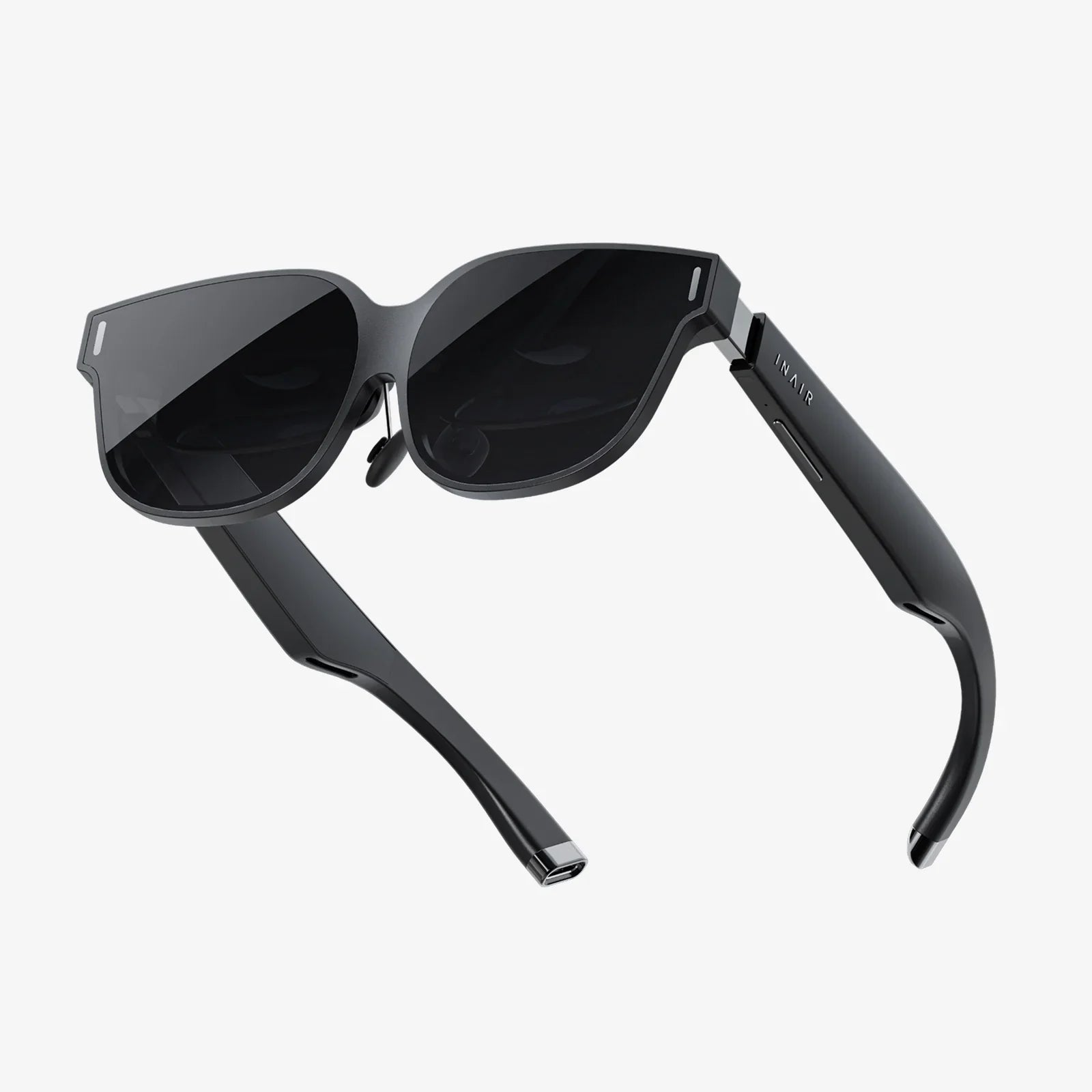
The true potential of an AR meet is unlocked with wearable technology like augmented reality glasses. While powerful AR experiences exist on smartphones and tablets, they require holding a device, which is not ideal for long, collaborative sessions. The consumer-grade AR glasses needed for a seamless experience need to be socially acceptable, comfortable for all-day wear, offer long battery life, and provide a high-resolution, wide field-of-view display—all at an accessible price point. We are moving rapidly in this direction, but the perfect device for mass adoption is still emerging.
Streaming complex 3D models, spatial data, and high-fidelity avatars in real-time requires immense bandwidth and ultra-low latency. A laggy or glitchy experience would instantly break the sense of presence and immersion. The rollout of 5G and future network technologies is critical to providing the robust connectivity needed for these data-intensive experiences on the go.
The interface for joining and navigating an AR meet must be effortless. If the process is cumbersome or confusing, it will hinder adoption. The technology needs to be intuitive enough for anyone to use, regardless of their tech-savviness. Designing natural user interfaces for spatial computing is a unique and ongoing challenge for developers.
AR devices, by their nature, are equipped with cameras and sensors that constantly scan the user's environment. This raises profound questions about data privacy. How is this visual and spatial data captured, processed, and stored? An AR meet in a user's home or office could inadvertently capture sensitive information. Robust security protocols and transparent privacy policies are non-negotiable to build the trust required for people to welcome this technology into their lives.
The evolution of AR meet is intrinsically linked to the development of the broader metaverse—a persistent network of interconnected virtual spaces. In the future, an AR meet might not just be a scheduled event but a spontaneous drop into a colleague's virtual office, or a walk through a digital twin of a construction site with the entire project team. Artificial Intelligence will play a huge role, providing real-time transcription, translation, and even summarizing action items as the meeting progresses.
As the technology matures, the line between physical and digital collaboration will continue to blur. The cost and environmental impact of business travel could plummet as high-fidelity AR presence becomes a viable alternative. The very definition of ‘workplace’ will expand to be wherever you are, without sacrificing the quality of human connection.
The quiet hum of a traditional video call is about to be replaced by the dynamic buzz of a shared spatial experience. The tools we use to connect are evolving from windows on a wall to portals into a shared reality. The next time you schedule a meeting, don't just send a link—send an invitation to step into a new world of possibilities together. The conference room of the future has no walls, and its potential is limited only by our imagination.