


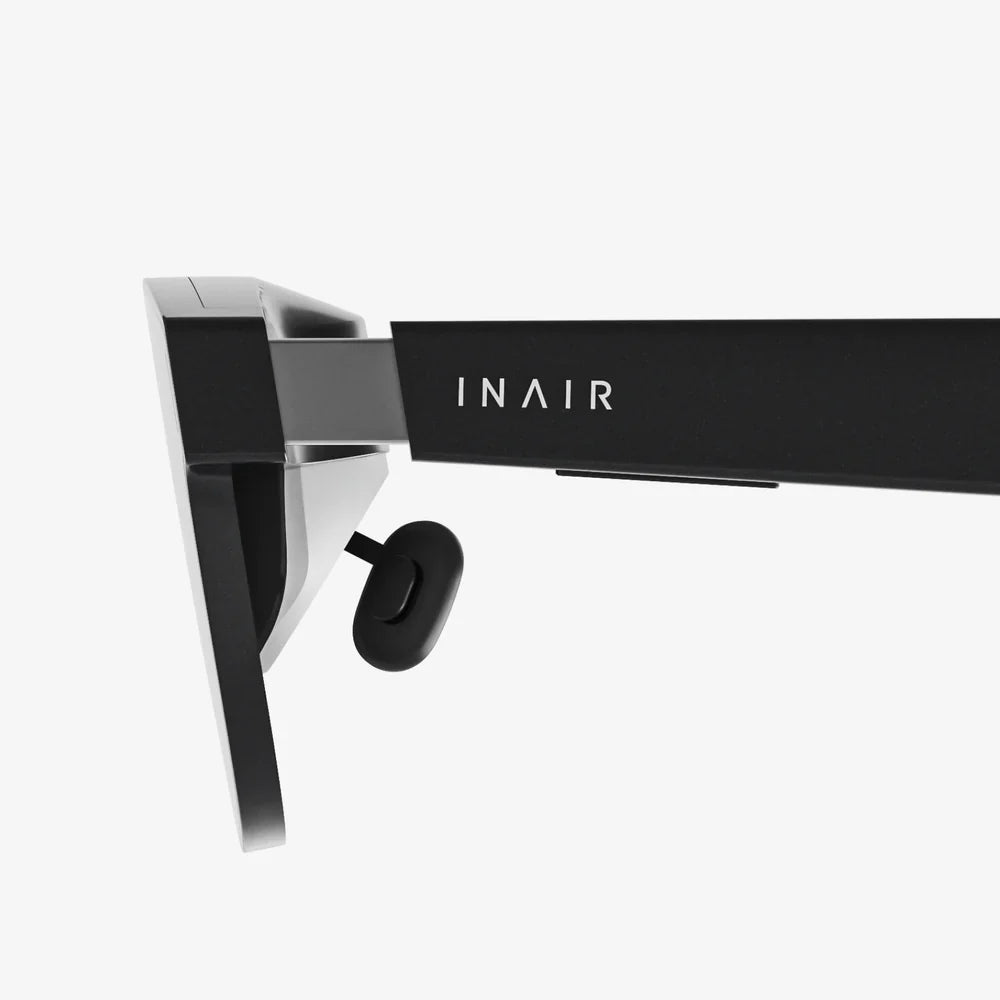
Imagine walking down a laneway, not just seeing the iconic street art splashed across the brickwork, but watching it ripple to life, telling the story of its creation. Picture pointing your device at a restaurant facade to see a dynamic menu float in the air, or standing on a street corner and witnessing a historical building from a century ago materialize before your eyes, perfectly superimposed on the modern cityscape. This is not a glimpse into a distant future; this is the reality being built today through Augmented Reality in Melbourne. The city, long celebrated for its dynamic fusion of culture, sport, and innovation, is undergoing a quiet but profound digital metamorphosis, layering a new dimension of information and experience onto its very streets.
The Canvas of the City: From Graffiti to Digital Layers
Melbourne's identity is intrinsically linked to its urban landscape—the labyrinthine laneways, the grand Victorian architecture standing beside stark modernism, and the ever-evolving canvas of street art. AR technology is poised to become the next great medium for this expression. Artists and technologists are collaborating to create experiences that augment physical murals with digital animations, narrative audio, and interactive elements. A static painting can become a portal, offering deeper context about the artist's intent or the cultural moment that inspired it. This transforms passive observation into an active, immersive discovery, ensuring the city's renowned art scene continues to lead rather than follow global trends.
Resurrecting the Past: A Living History Museum Without Walls
Few cities wear their history as visibly as Melbourne. Yet, many stories remain hidden beneath the surface or lost to time. AR serves as a powerful tool for historical preservation and education, turning the entire Central Business District and its suburbs into an open-air museum. Imagine standing outside Flinders Street Station and, through your screen, seeing the crowds of the 1950s in their period dress, or watching the original Victorian façade of a building restored to its former glory. Heritage organizations can create guided tours where historical figures become virtual guides, and significant, but now vanished, landmarks can be digitally rebuilt on their original sites. This technology doesn't just tell history; it allows citizens and tourists to literally see it and stand within it, fostering a deeper, more emotional connection to the city's rich narrative.
Retail Reimagined: The Future of Commerce on Every Corner
The retail and hospitality sectors in Melbourne, always fiercely competitive, are leveraging AR to create groundbreaking customer experiences that bridge the gap between online and physical commerce. Fashion retailers are enabling customers to ‘try on’ clothes or accessories virtually from the street before entering a store. Furniture and home décor stores allow shoppers to place true-to-scale 3D models of products into their own living spaces simply by using their smartphone camera. Restaurants and bars can project their specials and reviews onto the street, attracting passersby with engaging digital content. This shifts marketing from intrusive advertising to interactive invitation, empowering consumers with information and enhancing their decision-making process right at the point of discovery.
Navigating the New: Wayfinding and Urban Planning
Melbourne's complex grid of streets and alleys can be a challenge to navigate. AR wayfinding applications can superimpose intuitive digital arrows and pathways onto the real world, guiding users seamlessly to their destination, whether it's a hidden bar, a public transport hub, or the nearest coffee spot rated above four stars. Beyond tourism, this has profound implications for urban planning. City councils and developers can use AR to visualize proposed new buildings, infrastructure projects, or public spaces within their actual environment. Stakeholders can ‘walk through’ a planned development before a single brick is laid, assessing its impact on sunlight, wind patterns, and the existing aesthetic of the area, leading to more informed, collaborative, and effective urban design.
The Engine Room: Education and the Future Workforce
The proliferation of AR is fueling an ecosystem of innovation that is rooted in Melbourne's world-class educational institutions. Universities and TAFEs are developing cutting-edge courses in AR development, 3D design, and interactive media, ensuring the next generation of creators and technologists are equipped to lead this new industry. These institutions are not just teaching about AR; they are using it as a pedagogical tool. Medical students can practice complex procedures on virtual anatomy, engineering students can deconstruct and interact with machinery models, and architecture students can walk through their own designs at a 1:1 scale. This hands-on, immersive learning accelerates comprehension and skills development, cementing Melbourne's status as a hub for future-focused education.
Challenges and Considerations: Building the AR Metropolis Responsibly
For all its potential, the integration of AR into urban life is not without its challenges. The digital divide is a critical concern; an AR-enhanced city must be accessible to all, not just those with the latest expensive hardware. Data privacy is another paramount issue, as location-based experiences require careful handling of user data. There is also the risk of visual pollution and digital distraction—navigating a city already filled with stimuli requires a thoughtful approach to ensure AR adds value rather than clutter. Furthermore, the creation of a cohesive digital layer requires unprecedented collaboration between city government, private enterprises, artists, and citizens to establish standards and guidelines that ensure the technology is used ethically, inclusively, and for the public good.
The Invisible Infrastructure: Connectivity and The Cloud
The seamless function of city-wide AR is utterly dependent on robust, high-speed, low-latency digital infrastructure. Melbourne's ongoing investment in 5G networks and public Wi-Fi is the invisible foundation upon which all these experiences are built. This digital infrastructure is as crucial as roads and rail lines, enabling the real-time data processing and streaming required for complex AR overlays. The cloud is the silent engine, housing the vast digital models and content that are summoned on demand. This underscores a shift in how we perceive a city's assets—its digital connectivity is now a key utility, essential for economic growth, cultural development, and maintaining a competitive edge on the world stage.
The familiar rhythm of Melbourne—the clatter of trams, the smell of coffee, the buzz of a crowd moving through Degraves Street—is being joined by a new, silent frequency. It’s a layer of digital potential waiting to be unlocked, offering a richer, more informed, and deeply personal way to connect with our urban environment. This isn't about replacing the physical world but enhancing it, weaving a tapestry of information, story, and utility directly into the fabric of the city we love. The revolution won't be televised; it will be layered over your view of Melbourne, waiting for you to look up from the everyday and see the extraordinary possibilities hiding in plain sight.
Share:
AR Manufactures a New Reality for Industrial Design and Production
AR Solutions: Transforming Industries and Redefining Human Experience