


Forget the clunky headsets and gimmicky filters of yesteryear; the AR mixed reality news today is painting a picture of a world where the digital and physical are not just overlapping, but seamlessly intertwined, and it’s happening faster than anyone predicted. The chatter is no longer about if this technology will become mainstream, but how it is already fundamentally altering the landscape of work, play, and human interaction. The headlines are no longer science fiction—they are business, culture, and technology sections converging into a single, immersive narrative.
The Semantic Web Meets the Physical World
At the core of the most exciting AR mixed reality news today is a move towards contextually aware computing. Early AR was about placing a static digital object into your camera view. The next generation, however, understands the environment. Through advancements in machine learning, computer vision, and spatial mapping, devices can now recognize objects, understand surfaces, and even comprehend the semantics of a space.
Imagine pointing your device at a complex piece of machinery and not just seeing a generic manual, but seeing animated, step-by-step repair instructions overlaid directly onto the specific components that need attention. This is happening now in enterprise settings. Technicians are receiving real-time guidance, reducing errors and training time dramatically. In medicine, surgeons are experimenting with systems that project critical patient data, like ultrasound imagery, directly onto the body during procedures, creating a kind of X-ray vision that enhances precision and safety.
This shift from generic overlay to intelligent, contextual information is the single biggest trend dominating serious AR mixed reality news today. It’s transforming the technology from a novelty into an indispensable tool.
The Enterprise Arena: Where Productivity Gets a Supercharge
While consumer applications often grab flashy headlines, the most profound and immediate impact is occurring within enterprise and industrial sectors. The return on investment here is so clear and compelling that it's driving the majority of development funding and innovation.
- Design and Prototyping: Automotive and aerospace engineers are using MR to collaborate on full-scale 3D models of vehicles and aircraft. They can walk around a virtual prototype, inspect components from every angle, and make changes in real-time, saving millions in physical materials and drastically shortening design cycles.
- Remote Assistance and Collaboration: The concept of the "remote expert" has been revolutionized. A specialist located across the globe can see what a field technician sees, annotate their real-world view with arrows, notes, and diagrams, and guide them through a repair. This "see what I see" functionality is breaking down geographical barriers for knowledge transfer.
- Logistics and Warehousing: In massive distribution centers, workers using AR smart glasses are guided by visual cues to product locations along the most efficient route. Order picking times have been shown to drop significantly, while error rates approach zero. The system can highlight the exact bin and even the exact item, streamlining a process that was once reliant on paper lists and human memory.
This enterprise-driven momentum is crucial. It provides the financial fuel for R&D, which in turn leads to better, smaller, and more affordable hardware—a cycle that eventually benefits the consumer market.
The Hardware Revolution: Towards Invisibility
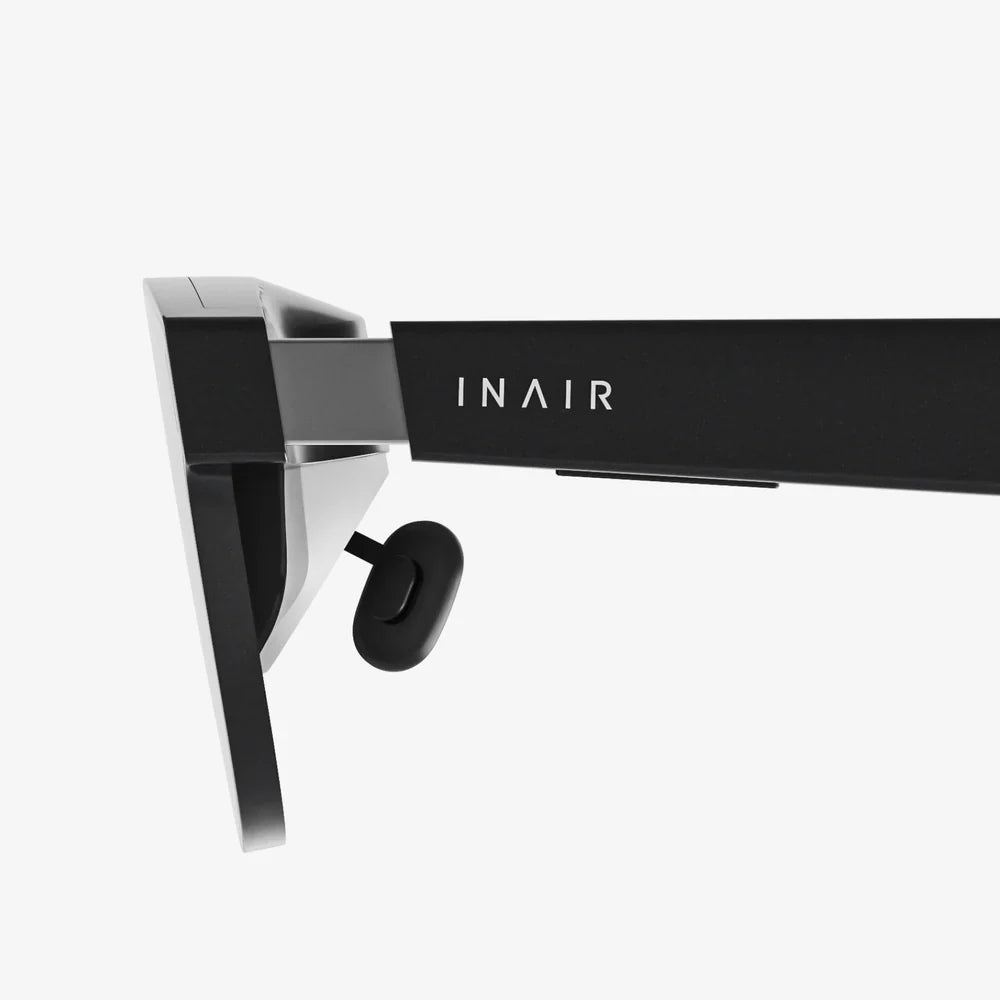
The devices themselves are undergoing a radical transformation, a key focus in all AR mixed reality news today. The goal is clear: make the technology disappear. The bulky, tethered headsets that defined early VR and MR are giving way to sleek, standalone glasses and even more discreet form factors.
Advancements in waveguide displays, which project light directly into the eye, are allowing for thinner and more transparent lenses. breakthroughs in battery technology and miniaturized compute units are enabling all-day wearability without a cumbersome external pack. The industry is relentlessly pursuing the holy grail: a pair of glasses that look no different from fashionable eyewear but can project a rich, high-resolution digital world onto reality.
This push for normalized aesthetics is critical for mass adoption. People may be willing to wear specialized gear for work or intense gaming, but for all-day, everyday use, the technology must be socially acceptable and comfortable. The recent news from various tech giants suggests we are on the cusp of this reality, with next-generation devices promising a form factor that finally bridges the gap between prototype and product.
Spatial Computing and the Web
Perhaps the most forward-looking thread in current AR mixed reality news is the development of the spatial web. This is the idea that the internet will evolve from a series of pages on a flat screen to a vast, interconnected digital layer existing in the space around us. Websites and applications won't be places you go to, but contextual experiences that appear when and where you need them.
Imagine walking through a city and seeing historical facts and images pop up around ancient buildings. Or attending a virtual meeting where 3D data visualizations that everyone can interact with are placed on the conference table. The underlying frameworks and protocols for this are being built now. Standards for 3D asset streaming, persistent digital content anchored to real-world locations, and multi-user experiences are being actively developed by consortiums and major tech players.
This evolution will require a new way of thinking about design, user interface, and even digital ownership. It promises a web that is inherently more intuitive and integrated into our lives, but it also raises significant questions about digital litter, privacy, and the ethics of a permanently mediated reality.
Social Connection Reimagined
Beyond productivity, AR and MR are poised to redefine social connection. The pandemic accelerated the adoption of video calls, but anyone who has endured "Zoom fatigue" knows it's a poor substitute for physical presence. Mixed Reality offers a third way: the ability to share a space with someone remotely, not as a gallery of faces on a screen, but as holographic avatars or even realistic volumetric captures.
The latest news highlights platforms where families can play board games on a virtual table that exists in both their living rooms, or where friends can watch a movie together on a virtual big screen, feeling as if they are side-by-side. This sense of "co-presence"—the feeling of being with another person in a shared space—is the magic ingredient that previous technologies have missed. It has the potential to make long-distance relationships, remote work, and global collaboration feel more natural and human.
Navigating the Ethical Frontier
Of course, this brave new world is not without its perils, and responsible AR mixed reality news today does not shy away from them. The very power of these technologies—their ability to blend seamlessly with our perception of reality—creates profound ethical and societal challenges.
- Data Privacy: An always-on AR device equipped with cameras and microphones is a data collection powerhouse. It sees what you see, hears what you hear, and knows where you are. The potential for surveillance, both corporate and governmental, is unprecedented. Robust frameworks for data ownership, consent, and anonymization are not just desirable; they are essential for public trust.
- Reality Dilution: When everyone can customize their perception of the world with digital filters, does a shared, objective reality cease to exist? The potential for misinformation, targeted advertising, and social manipulation is immense. A person walking down a street could be shown a completely different set of information than the person next to them, based on their political leanings or consumer profile.
- Access and Inequality: There is a real risk of creating a new digital divide. Those who can afford advanced AR technology will have access to a layer of information, assistance, and connection that is invisible to others. This could create significant advantages in education, employment, and social mobility.
Addressing these issues is not a task for after the technology has matured; it must be integrated into its very design. The conversation in today's news is increasingly focusing on the need for "ethical by design" principles and proactive regulation.
The Future is Already Here
The trajectory is undeniable. The AR mixed reality news today is no longer about a distant future; it's a chronicle of a present in rapid flux. The foundational technologies have moved out of the lab and are being stress-tested in factories, operating rooms, and living rooms around the world. The hardware is becoming powerful enough to be useful and discreet enough to be desirable. The software is evolving from simple apps into a new computing platform that understands the world around it.
We are standing at the precipice of the next major computing paradigm, one that promises to be as disruptive as the move from command-line interfaces to the graphical user interface. It will reshape every industry, redefine how we connect with information and with each other, and challenge our very notions of reality and privacy.
The most compelling stories aren't just about the technology itself, but about the human stories emerging from its use—a technician solving a problem they couldn't crack before, a doctor saving a life with enhanced vision, or a family feeling closer despite being miles apart. This isn't a future we are waiting for; the first chapters are being written right now, and the next breakthrough is always just one headline away.
Share:
Augmented Reality (AR) Marketing: The Ultimate Guide to the Future of Consumer Engagement
Augmented Reality (AR) Marketing: The Ultimate Guide to the Future of Consumer Engagement