


- by wangfred
AR Modifications: The Ultimate Guide to Customizing Your Augmented Reality Experience
- by wangfred
Imagine a world where your reality is not a fixed experience but a dynamic canvas, waiting for your personal touch. This is the promise of augmented reality, a technology that superimposes digital information onto our physical environment. But what if the default view isn't enough? What if you crave a layer of the digital world that is uniquely yours, tailored to your preferences, needs, and imagination? This is where the fascinating and rapidly evolving practice of AR modifications comes into play, a frontier of user empowerment that is redefining our relationship with technology.
At its core, an AR modification is any alteration, addition, or customization made to the standard augmented reality experience provided by a platform or application. Unlike virtual reality, which creates a fully immersive digital world, AR blends the digital with the physical. Therefore, modifications in this space are uniquely complex, requiring a nuanced understanding of both the software generating the digital assets and the hardware interpreting the physical world.
These customizations can be broadly categorized into several key areas:
To truly grasp the potential of AR modifications, one must understand the two pillars that support them: the hardware that sees the world and the software that makes sense of it.
The device itself is the first point of modification. Different classes of hardware offer varying levels of access and potential for customization.
Handheld Devices: Smartphones and tablets are the most common gateways to AR. Modifications here are often software-based, leveraging the device's camera, sensors, and processing power. However, hardware add-ons, such as attachable lenses for wider fields of view or external depth sensors for more accurate mapping, represent a physical form of modification that can significantly enhance the base capabilities of the device.
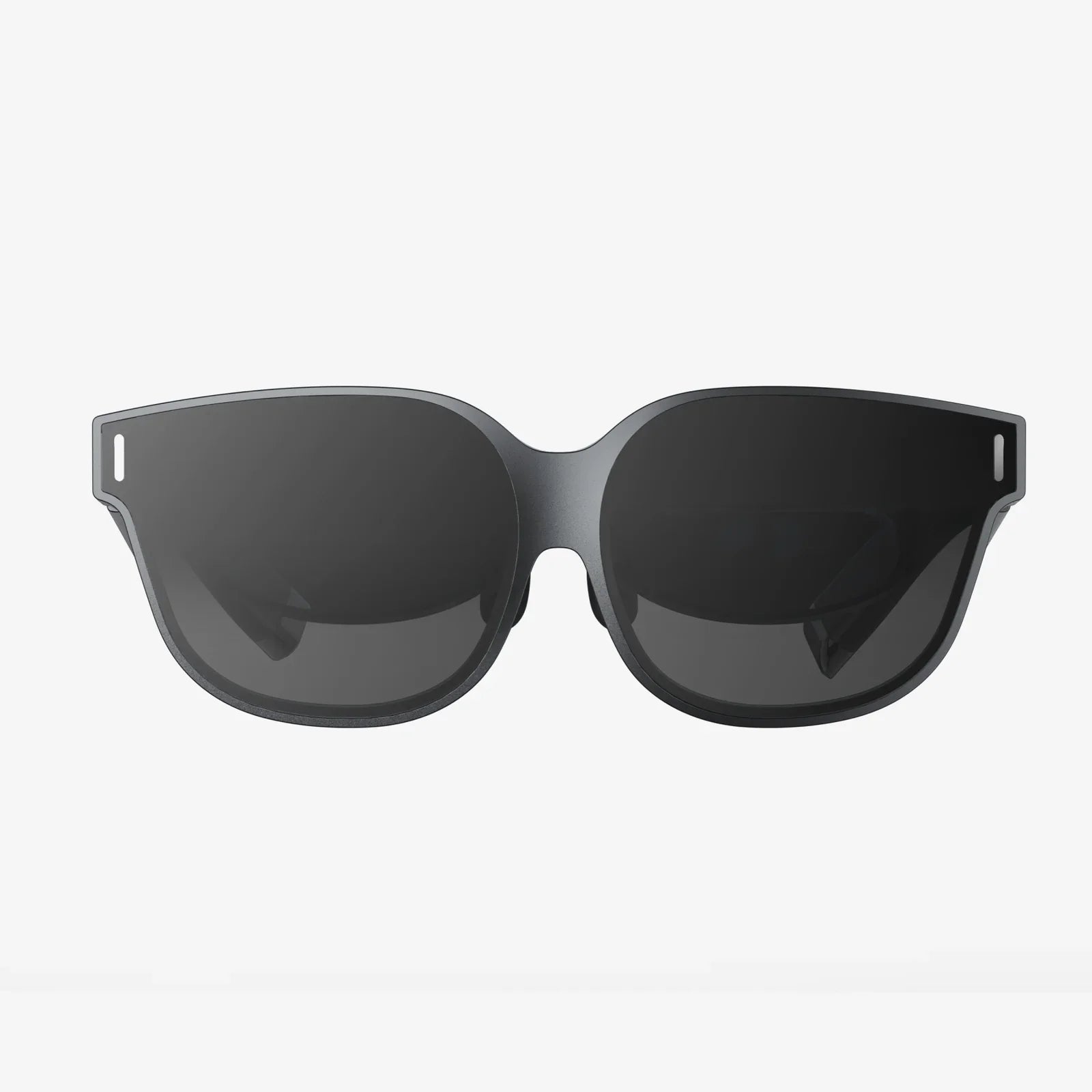
Smart Glasses and Headsets: This is where the future of AR resides. These wearable computers provide a hands-free, always-available overlay on reality. Modifying these devices is a more complex endeavor, often involving firmware tweaks, custom operating system builds, and hardware hacks like replacing optical waveguides or integrating additional environmental sensors for improved spatial understanding. The goal is to create a more seamless, immersive, and powerful window into the augmented world.
The software landscape for AR modifications is rich and diverse, offering tools for creators of all skill levels.
Development Engines and Platforms: Powerful game engines and dedicated AR development platforms are the bedrock of serious modification. They provide the frameworks for creating world-locked content, handling complex computer vision tasks like simultaneous localization and mapping (SLAM), and scripting interactions. A deep understanding of these platforms allows modifiers to build experiences from the ground up or deconstruct and rebuild existing ones.
Scripting and API Access: Many AR applications offer Application Programming Interfaces (APIs) that allow third-party developers to extend functionality. This is a primary avenue for functional modifications. By writing custom scripts, modifiers can create new plugins, integrate with external data sources, and automate tasks within the AR environment.
Community Platforms and Asset Stores: A vibrant ecosystem of online communities and digital marketplaces has emerged. Here, enthusiasts share custom-built filters, 3D models, shaders, and code snippets. These repositories allow those without deep technical expertise to download and apply modifications created by others, democratizing the customization process and fostering a collaborative culture of innovation.
Embarking on an AR modification project is a journey that blends technical skill with creative vision. While the specifics vary based on the goal, a general workflow often applies.
The power to alter reality comes with significant responsibility. The field of AR modifications is still a legal and ethical frontier, presenting challenges that the community and regulators are only beginning to address.
Privacy and Data Security: AR systems process vast amounts of data about our surroundings, which can inadvertently include sensitive information about people and private property. Modifications that capture, store, or transmit this data without explicit consent pose a serious threat to privacy. Ethical modifiers must prioritize data minimization and transparent user consent mechanisms.
Digital Vandalism and Spam: The concept of "AR graffiti" is already a reality. Malicious actors could create modifications that deface public monuments, leave offensive virtual content in public spaces, or spam popular locations with obstructive advertisements. Establishing social norms and potentially technical safeguards against such behavior is a critical challenge.
Intellectual Property and Safety: Modifying existing AR applications can violate terms of service and copyright laws. Furthermore, safety is a paramount concern. A poorly designed modification that obscures a user's vision or directs them into dangerous situations could have real-world consequences. Unlike a software crash on a computer, a failure in AR can lead to physical harm.
The trajectory of AR modifications points toward a more integrated, intelligent, and immersive future. We are moving toward a world where modifying our digital layer will be as common as customizing a smartphone homepage.
We can anticipate the rise of AI-powered creation tools that will allow users to generate complex AR modifications through simple voice commands or text prompts ("create a relaxing forest theme for my living room"). The line between user and developer will continue to blur.
Furthermore, the concept of the "AR cloud"—a persistent, shared digital copy of the real world—will unlock a new era of collaborative modification. Imagine contributing to a crowd-sourced AR layer that provides navigation hints, historical information, or public art displays that anyone with enabled hardware can see, creating a constantly evolving, community-driven augmentation of our cities.
Finally, advancements in neuromorphic computing and brain-computer interfaces hint at a distant future where modifications could extend beyond the visual and auditory, directly modulating our perception of reality itself—a profound step that will redefine the very concept of human-computer interaction.
The ability to craft your own slice of the digital universe is no longer science fiction; it's an emerging skill set and art form. AR modifications place the paintbrush in your hands, inviting you to not just consume the future of technology but to actively participate in its creation, one personalized layer at a time. The real world is the foundation, but the augmented layer is your playground—what will you build?
Share:
Is It AI? The Philosophical and Practical Guide to Identifying Artificial Intelligence
Top Smart Devices to Buy: The Ultimate Guide to Elevating Your Home and Life in 2024