


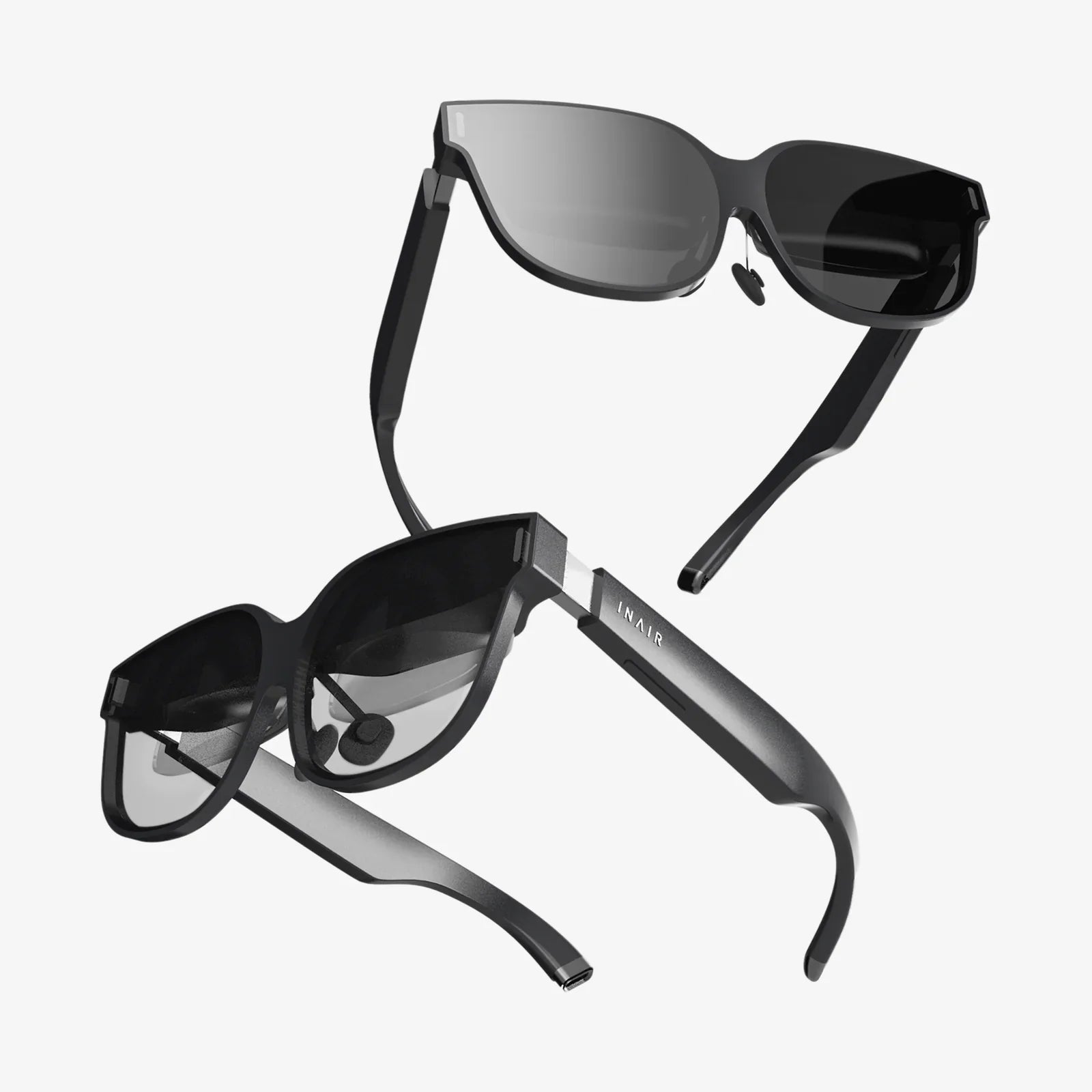
Imagine walking into your office, but the reality you see is fundamentally different, richer, and more intelligent. Your document scanner doesn't just sit there; a virtual halo of light indicates it's your turn to use it, with a floating icon showing its current status and a queue of pending jobs. A paper jam in the multi-function printer is no longer a frustrating puzzle; instead, animated, step-by-step repair instructions are projected directly onto the device itself, guiding your hands to the exact panel to open. This is not a distant science fiction fantasy; it is the imminent future powered by Augmented Reality (AR) office machines, a technological evolution set to dismantle traditional workplace inefficiencies and usher in an era of seamless, intuitive, and profoundly productive human-machine interaction.
The Foundation: What Are AR Office Machines?
At its core, an AR office machine is any piece of office equipment—be it a printer, scanner, video conferencing unit, or even a simple desk phone—that is enhanced by augmented reality technology. Unlike Virtual Reality (VR), which creates a completely immersive digital environment, AR overlays digital information—images, data, instructions, animations—onto the user's real-world view. This is typically achieved through smart glasses, a tablet, a smartphone, or specialized transparent displays built into the equipment.
The magic lies in the convergence of several key technologies:
- Computer Vision: Cameras and sensors on the device or the user's AR headset recognize the machine, its components, and its state.
- Spatial Mapping: The technology understands the physical space and can anchor digital objects persistently within it.
- IoT Connectivity: The office machine is a connected node on the Internet of Things, constantly broadcasting its status, error logs, and operational data.
- Cloud Computing: Complex data processing, from analyzing error codes to rendering intricate 3D animations, happens in the cloud, delivering the results to the user's device in real-time.
Transforming Mundane Tasks: The Day-to-Day Revolution
The most immediate impact of AR office machines will be felt in the elimination of daily friction points that silently drain productivity and morale.
Intuitive Operation and Setup
New equipment setup, often a dreaded task involving cryptic manuals and online forums, becomes a guided experience. By simply looking at a new device through an AR interface, an employee could see virtual arrows pointing to power and data ports, with connectors highlighted. The system could then walk them through the network configuration process, overlaying input fields directly onto the machine's physical control panel.
Revolutionizing Maintenance and Troubleshooting
This is perhaps the most compelling application. Instead of calling IT support or searching a knowledge base for an obscure error code, an employee can point their device's camera at the malfunctioning machine. The AR system identifies the error and projects a virtual guide. For a paper jam, it might highlight the exact access door with a pulsing glow and then provide an animated sequence showing the precise path to clear the obstruction. For a low-toner warning, it could show a ghosted image of the correct cartridge sliding into place, eliminating any guesswork. This empowers employees to resolve issues instantly, drastically reducing equipment downtime and freeing technical staff for more complex tasks.
Streamlined Workflows and Digital Twins
Imagine initiating a complex multi-step print job from your desk. Through your AR glasses, you see a virtual representation of the printer down the hall. You drag your digital document and drop it onto this virtual twin. The system confirms the job, shows you the estimated completion time, and even informs you if there's a queue. When the job is done, a virtual marker could appear above the physical output tray, guiding you directly to your documents in a busy shared space.
Redefining Collaboration and Remote Support
AR office machines dissolve the barriers of physical location, creating a new paradigm for collaboration and technical assistance.
The "See What I See" Support Model
Remote IT support moves from a frustrating game of telephone to a precise, visual collaboration. A technician miles away can see exactly what an on-site employee sees through their AR glasses. The remote expert can then draw virtual arrows, circles, and annotations directly into the employee's field of view, pointing to specific components and guiding them through complex procedures with pinpoint accuracy. This not only resolves issues faster but also serves as an immersive training session for the employee.
Enhanced Video Conferencing
Meeting room systems equipped with AR can transform standard video calls. Instead of a static camera view, participants could see real-time data and 3D models overlaid on the discussion. A product designer could place a virtual 3D prototype of a new component on the conference table for all remote attendees to examine from every angle as if it were physically present, all while discussing its details.
The Human Factor: Training, Safety, and Accessibility
The benefits extend beyond mere convenience, touching on deeper aspects of workplace well-being and capability.
Accelerated and Immersive Training
Onboarding new employees on complex office equipment becomes instantaneous and highly effective. Instead of memorizing procedures, a trainee wearing AR glasses receives contextual information and guidance directly on the machine they are learning to use. This hands-on, learn-by-doing approach, supported by digital overlays, dramatically improves knowledge retention and reduces training time and costs.
Enhanced Safety Protocols
For offices with specialized equipment that requires careful handling, AR can act as a safety guardian. When an employee approaches a device that requires safety glasses or has a moving part, a clear warning and instruction can appear in their view. For devices that require a specific sequence of operation to avoid damage, the AR system can ensure the steps are followed in the correct order.
Unprecedented Accessibility
AR technology can make office machines more accessible than ever before. Interfaces can be translated on-the-fly into any language. Text can be enlarged for those with visual impairments. Complex instructions can be converted into simplified pictograms or even audio instructions, ensuring every employee, regardless of their physical ability or native language, can operate equipment with confidence.
Navigating the Challenges: Implementation and Considerations
The path to integrating AR into the office is not without its hurdles. Organizations must thoughtfully address several key areas.
Cost and Infrastructure
The initial investment can be significant. It requires not only AR-enabled hardware (either consumer devices like tablets or enterprise-grade smart glasses) but also a robust and secure wireless network capable of handling the continuous data flow. The software platforms that power these experiences also represent a substantial investment.
Data Security and Privacy
AR systems process a vast amount of visual data from the office environment. Ensuring this data is encrypted, stored securely, and not misused is paramount. Companies will need clear policies on data collection and usage to protect employee privacy and safeguard sensitive information that might be accidentally captured by always-on cameras.
User Adoption and Cultural Shift
Introducing any new technology requires change management. Some employees may be hesitant or skeptical about using wearables or interacting with digital overlays. Comprehensive training and demonstrating clear, tangible benefits will be crucial for fostering adoption and creating a culture that embraces this new way of working.
The Future Office: A Blended Reality Ecosystem
Looking ahead, AR office machines will cease to be standalone novelties and will instead become integrated nodes in a holistic smart office ecosystem. They will communicate not just with users, but with each other. A printer could notify the AR system when it's low on paper, which could then task a robotic assistant with restocking it. Environmental sensors could adjust machine settings based on room occupancy and temperature data streamed to an AR dashboard for facility managers.
The line between the physical and digital office will blur into what is best described as a "phygital" workspace—a seamless blend where digital intelligence enhances every physical interaction. The office machine will evolve from a passive tool into an active, intelligent partner in productivity.
The silent, hulking printer in the corner and the confusing control panel on the conference system are living on borrowed time. They will be replaced by dynamic, communicative, and intuitive partners that meet us in our space, on our terms. The augmented office is coming, and it promises to unlock levels of efficiency, understanding, and collaboration we are only beginning to imagine, turning every employee into a master of their domain with the world's knowledge at their fingertips—and before their eyes.
Share:
Top 5 Smart Devices Revolutionizing Modern Living and Home Automation
Best Wearables Under 10000: Your Ultimate Guide to Affordable Smart Tech