


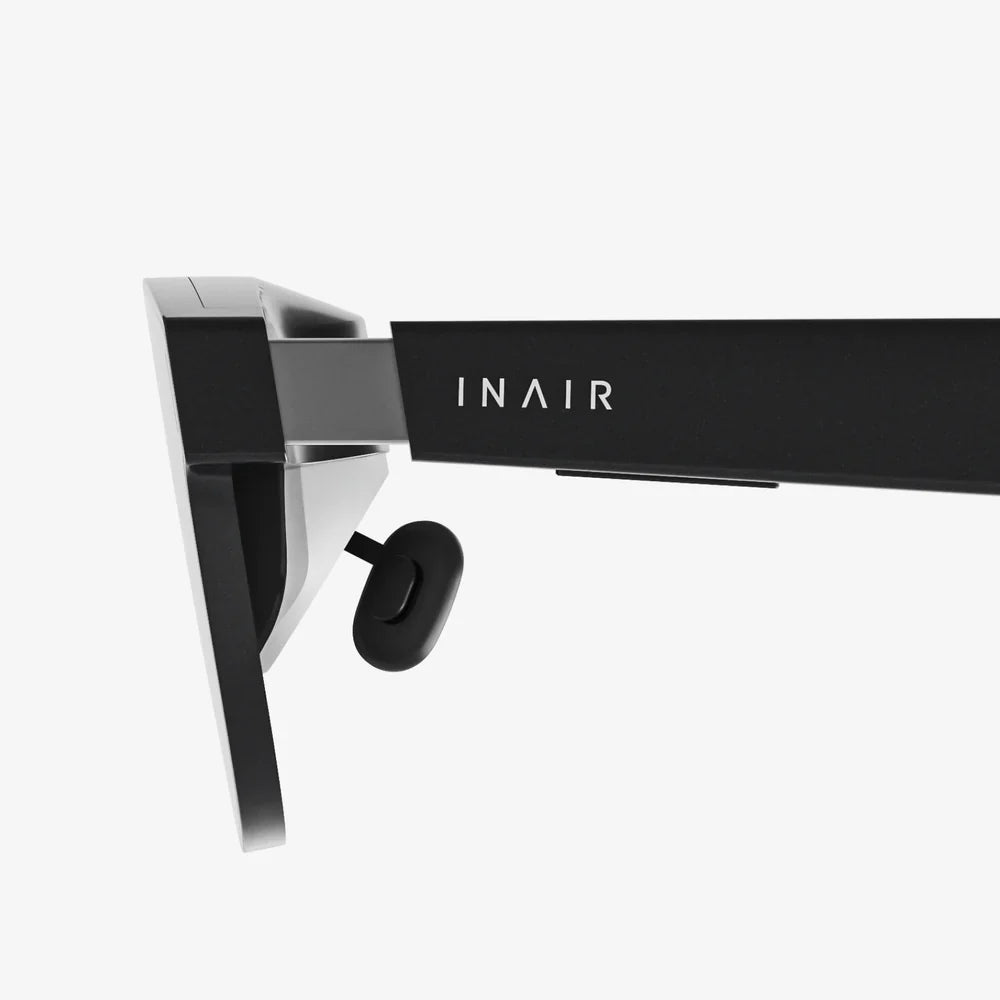
Imagine walking into your office, and before a single piece of furniture is even ordered, you can see the entire layout, test the flow of foot traffic, and ensure the natural light perfectly hits every desk—all through the lens of your tablet. This is no longer a scene from a science fiction film; it is the reality being built today by the rapid integration of Augmented Reality (AR) into office products and systems. This technological wave is not merely an incremental upgrade; it represents a fundamental shift in how we interact with, manage, and conceptualize our workspaces. The sterile, static office environment is giving way to a dynamic, intelligent, and deeply interconnected ecosystem where digital information seamlessly enhances our physical reality, unlocking new levels of productivity, collaboration, and well-being.
The Foundation: Understanding Augmented Reality in the Office Context
Before delving into specific applications, it is crucial to distinguish Augmented Reality from its often-conflated cousin, Virtual Reality (VR). Where VR seeks to replace the user's reality with a completely digital environment, AR overlays digital information—images, data, 3D models, instructions—onto the user's view of the real world. This is typically achieved through devices like smartphones, tablets, smart glasses, and heads-up displays. In the context of office products, this technology acts as a powerful bridge between the physical assets of an office and the vast digital cloud of information associated with them.
The value proposition is immense. AR transforms passive objects into interactive endpoints. A printer is no longer just a printer; it becomes a node that can project its manual, display its real-time status, and guide a user through a paper jam clearance with animated, step-by-step instructions superimposed directly onto the device itself. This convergence of the physical and digital is the core engine powering the AR office revolution, turning every piece of equipment and every square foot of space into a potential source of intelligent data and interaction.
Reimagining Space: Design, Planning, and Management
One of the most immediate and impactful applications of AR office products is in the realm of spatial design and management. Traditionally, planning a new office layout or reconfiguring an existing one involved complex CAD drawings, 2D blueprints, and a significant leap of faith. Stakeholders had to imagine how a space would feel and function based on flat representations. AR eradicates this guesswork.
Powerful AR applications allow facility managers and designers to use a device's camera to scan a room and then populate it with digital, true-to-scale 3D models of furniture, partitions, and equipment. Users can literally walk through a proposed design, assessing sightlines, ensuring there is adequate space between workstations, and experimenting with different configurations in real-time. This not only democratizes the design process, allowing non-experts to contribute meaningfully, but it also drastically reduces costly errors. Companies can avoid purchasing items that do not fit or suit the space, leading to substantial financial savings and a more optimized work environment from day one.
Furthermore, this technology extends to daily management. AR overlays can display real-time data about room bookings, environmental controls like temperature and humidity, or even the location of colleagues within a large open-plan office. A quick scan of a meeting room with a smart device could show its availability for the next hour, the technical specifications of its video conferencing equipment, and a button to instantly book it.
The Intelligent Worksurface: Transforming Desks and Stations
The humble desk, the epicenter of individual productivity, is undergoing a radical transformation. AR-enabled worksurfaces can project a user's digital desktop onto the physical space, creating a vast, multi-screen environment without the need for additional physical monitors. By using AR glasses or a mounted projector, a user can have spreadsheets, documents, and communication apps arrayed around them, interacting with this digital workspace through gestures and voice commands.
This creates a truly seamless flow between physical and digital tasks. An architect could be sketching on a physical notepad while simultaneously viewing a digital 3D model of the building hovering beside it. A financial analyst could manipulate large datasets with their hands, dragging charts and graphs onto their physical desk for closer inspection. This technology declutters the physical environment while expanding the digital one, reducing cognitive load and enhancing focus by contextualizing information directly within the user's field of view.
Beyond projection, AR can also add a layer of intelligence to organizing physical items. Imagine pointing your device at your desk and having it instantly identify and catalog items, suggest optimal placement for ergonomics, or even remind you to take a specific file to your next meeting. The worksurface evolves from a passive platform into an active assistant in daily productivity.
Supercharging Collaboration and Remote Work
The global shift towards hybrid and remote work models has created a pressing need for more immersive and effective collaboration tools. Standard video conferencing, while functional, often lacks the nuance and shared context of in-person interaction. AR office products are poised to fill this gap, creating a shared hybrid space that feels more natural and productive.
Teams can collaborate on digital 3D models as if they were physical objects in the room between them. A product development team spread across different countries could inspect a prototype together, with remote members using AR to annotate the model with notes and suggestions visible to everyone in real-time. In a brainstorming session, ideas can be visualized as digital sticky notes arranged on a virtual whiteboard that all participants can see and interact with, regardless of their physical location.
This fosters a stronger sense of presence and shared purpose, mitigating the isolation that can sometimes accompany remote work. It also dramatically improves the quality of collaboration. Complex ideas that are difficult to convey through speech alone can be visualized and manipulated, leading to clearer communication, faster consensus, and more innovative outcomes. AR becomes the great equalizer in the hybrid meeting room, giving remote participants a tangible presence and an equal voice.
Empowering Maintenance, Training, and Support
Perhaps the most straightforward yet powerful application of AR is in the operation and maintenance of office equipment. Complex devices, from high-volume printers to network servers and climate control systems, often require specialized knowledge to troubleshoot. Downtime waiting for a technician is costly. AR-powered support flips this model on its head.
Instead of poring over a dense physical manual or trying to follow a YouTube video on a separate screen, an employee can use an AR application on a phone or tablet. By pointing the device's camera at the equipment, the app can identify the model and superimpose interactive instructions directly onto the relevant components. Animated arrows can show which panel to remove, and digital highlights can pinpoint the exact lever to pull or filter to replace. This guided, visual assistance reduces errors, empowers employees to solve problems themselves, and minimizes equipment downtime.
This same principle revolutionizes training and onboarding. New employees can learn to operate specialized office equipment through immersive, hands-on AR simulations that are far more effective than reading a manual or watching a video. They can practice procedures risk-free, gaining confidence and competence at an accelerated pace. This application ensures that the entire workforce can effectively interact with the technology that powers the modern office.
Navigating the Challenges: Implementation and the Human Factor
Despite its immense potential, the integration of AR into office products is not without its challenges. The first is technological infrastructure. A robust and high-speed wireless network is the absolute bedrock upon which AR systems are built, as they constantly stream and process large amounts of data. Latency or downtime can severely disrupt AR experiences and erode user confidence.
Secondly, there is the question of hardware. While smartphone-based AR is accessible, the most immersive experiences require dedicated AR glasses or headsets. The industry is still working towards the perfect blend of comfort, battery life, display quality, and affordability that will make these devices as commonplace as a headset for video calls. Furthermore, designing intuitive user interfaces (UI) and user experiences (UX) for these new paradigms is critical. Clunky or confusing AR interfaces will hinder adoption rather than help it.
Finally, and most importantly, is the human factor. Success depends on overcoming cultural resistance to change. Employees may be skeptical of wearing glasses or interacting with digital overlays, perceiving them as distracting or overly complex. Comprehensive change management, clear communication of benefits, and thorough training are essential to foster a culture of acceptance and enthusiasm. Privacy concerns regarding data collection through always-on cameras and sensors must also be addressed transparently and with robust policies.
The Future Horizon: The Cognitive and Connected Office
The evolution of AR office products is moving towards an even more integrated and intelligent future. We are progressing towards a "cognitive office" where AR systems are powered by Artificial Intelligence (AI) and the Internet of Things (IoT). In this future, your AR interface will not just show you information; it will anticipate your needs.
An AI could analyze your calendar and, as you walk into the office, proactively guide you to your first meeting room while displaying the agenda and key documents for that meeting. IoT sensors embedded in furniture and equipment will feed real-time data into the AR layer, allowing it to show you which desk in the office has the best lighting for your current task or alert you the moment a shared device needs replenishing. The line between the assistant and the environment will blur completely, creating a workspace that is not just a tool but a proactive partner in productivity and well-being.
The office of the future will be a fluid, adaptive environment. AR will allow us to customize our digital and physical surroundings on the fly, creating personalized workspaces within a shared environment. This technology promises to finally dissolve the remaining barriers between our ideas and our ability to execute them, making our workspaces more human-centric, sustainable, and profoundly effective.
The next time you struggle with a jammed copier, wrestle with a cramped office layout, or feel disconnected from a remote colleague, remember that a solution is already taking shape. The revolution is not coming; it is already here, waiting to be unlocked through the screen of your device, ready to overlay a world of efficiency and clarity onto the workspace you know today. The potential to redefine productivity is literally right before your eyes.
Share:
What Devices Use Artificial Intelligence: The AI-Powered World Around You
Deep Learning Wearable: The Future of Personal Technology on Your Wrist