


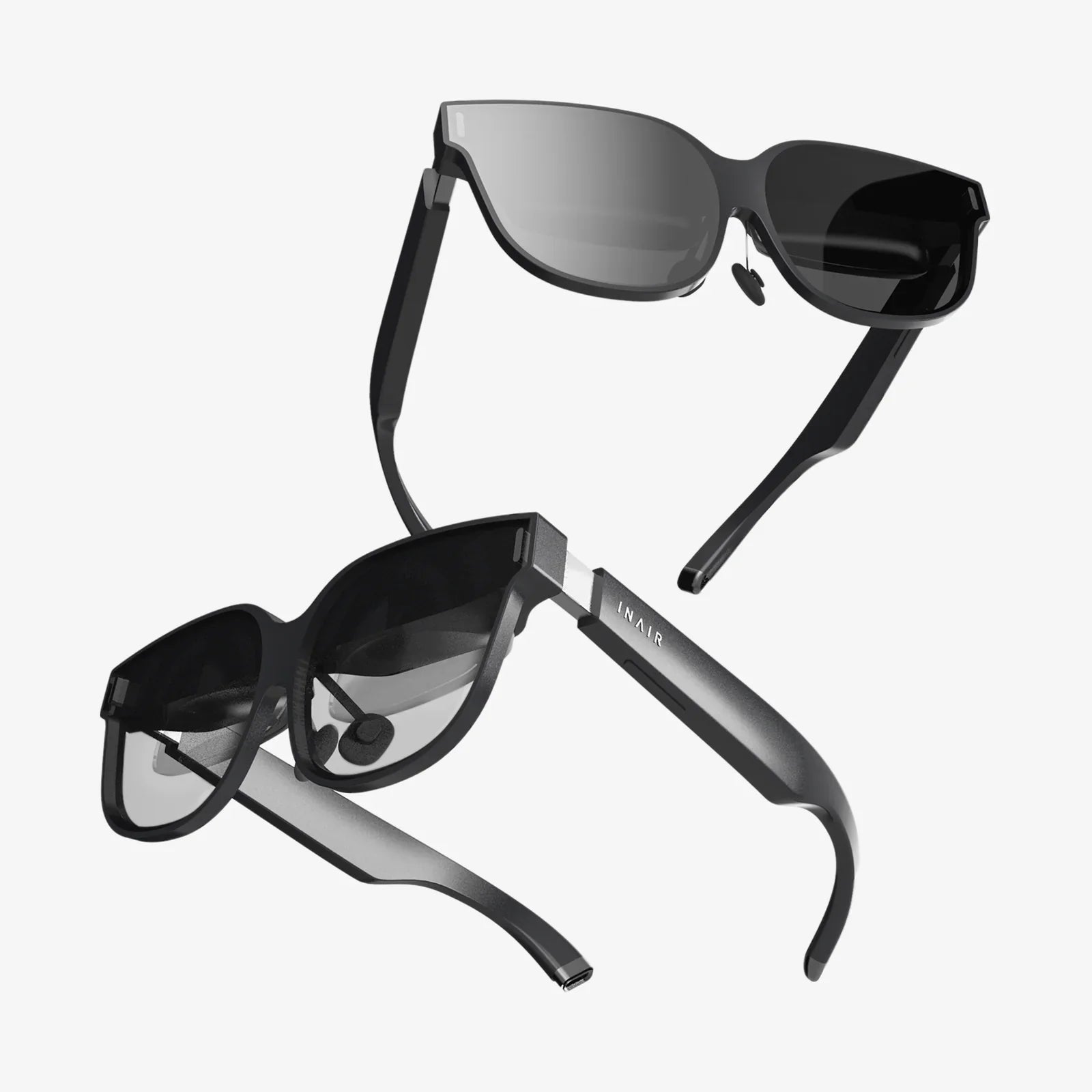
Imagine pointing your device at a static museum exhibit and watching a historical figure step out of the painting to tell their story, or visualizing how a new sofa would look in your living room before you ever click ‘buy.’ This is the magic of AR online, a technology that is quietly weaving itself into the fabric of our daily lives, transforming passive observation into active, immersive participation. It’s not just a tool; it’s a new lens through which we perceive and interact with reality itself, and it’s happening right here, right now, through the screens we hold in our hands and the glasses we will soon wear on our faces.
Beyond the Hype: Defining the Digital Overlay
At its core, Augmented Reality (AR) is a technology that superimposes a computer-generated image, video, or 3D model onto a user's view of the real world. Unlike its cousin, Virtual Reality (VR), which creates a completely artificial environment, AR enhances the real world by adding digital elements to it. This creates a composite view that bridges the physical and digital realms. The magic lies in its ability to recognize the environment through advanced computer vision, simultaneous localization and mapping (SLAM) algorithms, and depth tracking, allowing digital content to not only appear in the real world but to interact with it in a believable way. A virtual dinosaur can walk behind your real couch. A navigation arrow can be painted onto the street itself. This seamless integration is what makes AR online so powerful and distinct.
The Engine Room: How AR Online Actually Works
The seemingly effortless experience of AR is powered by a sophisticated technological symphony. It begins with the device's camera capturing the real-world environment. This visual data is then processed in real-time by software that identifies flat surfaces (like a table or floor), objects, or specific image markers. This process, known as image recognition or tracking, is the anchor that locks the digital content in place. For more advanced AR, sensors like gyroscopes, accelerometers, and LiDAR scanners come into play. LiDAR, in particular, measures the distance to a target by illuminating it with laser light, creating a precise depth map of the surroundings. This allows for incredibly accurate occlusion, where real-world objects can pass in front of digital ones, enhancing the illusion. All this computational heavy lifting can happen directly on the device (on-device processing) for simpler applications, or be offloaded to powerful cloud servers (cloud processing) for more complex, detailed renders, all delivered instantly via a robust internet connection.
A World of Applications: From Commerce to Classroom
The potential applications for AR online are as vast as human imagination itself, stretching across every major industry and fundamentally altering user experiences.
Revolutionizing Retail and E-Commerce
Perhaps the most immediate impact of AR online has been in the world of retail. It has effectively solved the 'try before you buy' dilemma for online shopping. Customers can now project life-sized 3D models of furniture into their homes to check for fit and style, virtually try on watches, sunglasses, or makeup, and see how a new paint color would look on their walls. This not only dramatically enhances consumer confidence and reduces purchase anxiety but also significantly decreases return rates, creating a win-win scenario for both buyers and sellers. It transforms shopping from a transactional activity into an engaging, experiential one.
Transforming Education and Training
In education, AR online is turning abstract concepts into tangible, interactive experiences. Instead of reading about the solar system, students can have a miniature, accurate model of it rotating on their desk, with information popping up for each planet. Medical students can practice complex surgical procedures on detailed, layered anatomical models overlayed onto a mannequin, gaining valuable experience without risk. Field technicians can be guided through complex repair procedures with digital arrows and instructions superimposed directly onto the machinery they are fixing, improving accuracy and reducing downtime. This hands-on, visual learning leads to drastically improved knowledge retention and understanding.
Redefining Social Interaction and Entertainment
The social sphere has been electrified by AR. Filters and lenses that add playful digital elements to selfies are just the tip of the iceberg. Shared AR experiences are allowing friends to play immersive games in a park, collaborate on digital art projects in a shared physical space, or leave virtual notes and messages for each other at specific locations, creating a new layer of social connectivity tied to the real world. In entertainment, AR brings marketing posters to life, allows characters to leap out of book pages, and creates location-based gaming experiences that encourage exploration and physical activity.
Enhancing Enterprise and Industrial Design
Behind the scenes, AR is a powerhouse for enterprise. Architects and interior designers can walk clients through full-scale 3D models of unbuilt structures, allowing for changes before a single brick is laid. Factory planners can design and optimize assembly lines in a digital overlay of the real factory floor. Logistics companies use AR smart glasses in warehouses to visually guide workers to the correct items, displaying picking information directly in their line of sight, which streamlines operations and reduces errors. This ‘hands-free’ access to crucial data is revolutionizing workflows and boosting productivity across sectors.
The Invisible Challenges: Barriers to Ubiquity
Despite its promise, the path to universal AR adoption is not without significant hurdles. One of the primary challenges is the current reliance on smartphones and tablets as the primary viewing medium. While convenient, holding up a device breaks the natural flow of interaction. The true potential of AR will be unlocked with comfortable, stylish, and affordable smart glasses that offer a wide field of view and all-day battery life—a technological hurdle that is still being overcome. Furthermore, creating high-fidelity, optimized 3D content at scale remains a complex and costly endeavor for many businesses. There are also serious concerns regarding user privacy, as AR systems require constant access to camera feeds and detailed environmental data, raising questions about how this information is stored and used. Finally, digital litter—the proliferation of virtual objects and advertisements cluttering public spaces—is a potential societal challenge that needs to be addressed through thoughtful design and perhaps even regulation.
The Future is Augmented: What Lies Ahead
Gazing into the near future, the evolution of AR online points towards a more seamless and integrated experience. The advent of 5G and eventually 6G networks, with their ultra-low latency and high bandwidth, will enable incredibly complex and photorealistic AR renders to be streamed instantly from the cloud, removing the processing limits of the device itself. Artificial Intelligence will play a more profound role, with AI agents understanding context and user intent to serve up relevant information and interactions automatically. We are moving towards a world where a persistent AR layer, often called the ‘metaverse’ or ‘spatial web,’ will be permanently overlayed onto reality. In this future, your glasses might automatically translate foreign street signs, identify plant species on a hike, or display the biography of someone you just met at a networking event. It will become an invisible, indispensable assistant, enhancing our perception and augmenting our human capabilities.
The line between what is real and what is digital is not just blurring; it’s being deliberately and beautifully woven together. AR online is the loom on which this new reality is being built, offering a glimpse into a future where information is not something we seek out on a screen, but something that appears in our world contextually and effortlessly. This is not about escaping our reality, but about enriching it, layering it with knowledge, creativity, and connection. The revolution is already here; you just need to look through the right lens to see it.
Share:
Collaborative Spaces in Offices: The Future of Work is Shared
Space Goggles: The Unsung Heroes of Cosmic Exploration and Human Vision