


Imagine a world where a master technician’s hands can appear right beside you, pointing out the exact wire you need to connect. Envision a surgeon in a metropolitan hospital guiding a colleague through a complex procedure from another continent, with precise annotations overlaid directly onto the patient. This is no longer the stuff of science fiction; it’s the powerful reality delivered by Augmented Reality (AR) remote assistance software, a technological leap that is dissolving geographical barriers and revolutionizing the very essence of support, training, and collaboration.
The Core Mechanics: How AR Remote Assistance Software Works
At its heart, AR remote assistance software is a sophisticated suite of technologies designed to merge the physical and digital worlds to facilitate real-time guidance. The process, while complex in its engineering, creates an intuitively simple experience for the user.
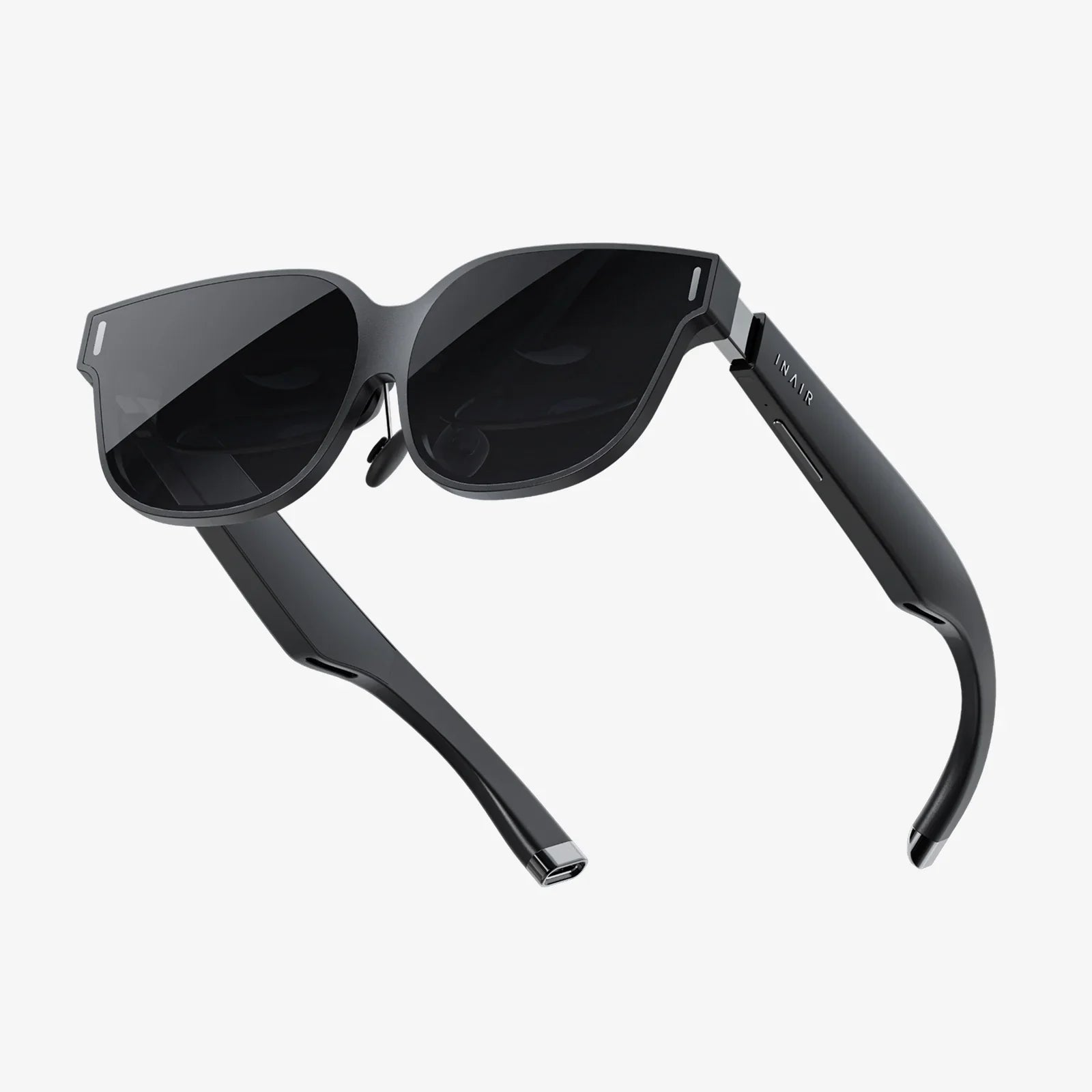
It begins with a user in the field, often referred to as the frontline worker. Using a common smart device like a smartphone or tablet, or more advanced wearables like smart glasses, they initiate a call for help. The software then establishes a secure, low-latency video and audio connection with a remote expert. This is the foundational layer—a live stream of the user’s environment from their perspective.
The magic, however, lies in the augmentation. The remote expert, viewing the live feed on their own desktop or mobile interface, can now interact with that video stream. Using digital tools, they can:
- Draw Annotations: Circle a specific component, draw an arrow to a lever, or underline a reading on a gauge. These annotations are not static; they are spatially anchored. This means if the user moves their device, the circle stays locked onto that specific bolt, providing persistent, context-aware guidance.
- Place Pin Markers and Text: Pin a text note like "Check voltage here" directly onto a circuit board or "Turn this valve clockwise" onto the valve itself.
- Share Files and Documents: Pull up a schematic, an instruction manual, or a parts list and superimpose it into the user’s field of view for immediate reference.
- Capture and Record: Document the entire session for later use in training, quality assurance, or compliance reporting.
This seamless overlay of digital information onto the physical world in real-time transforms a confusing problem into a clear, step-by-step visual guide, drastically reducing errors and resolution times.
Beyond the Hype: The Tangible Benefits of Adopting AR Guidance
The value proposition of AR remote assistance extends far beyond a novel way to communicate. It delivers concrete, measurable benefits that impact the bottom line, operational efficiency, and customer satisfaction.
Dramatic Reductions in Downtime and Costs
In sectors like manufacturing, energy, and logistics, equipment downtime costs thousands of dollars per minute. Traditionally, resolving an issue required dispatching a specialist, which involves travel time, expenses, and delays. AR remote assistance slashes this timeline. An expert can be virtually on-site in seconds, diagnosing issues and guiding local personnel through repairs. This eliminates travel costs and, more importantly, returns critical assets to operation in a fraction of the time, delivering an immense return on investment.
Empowering Frontline Workers and Elevating Expertise
This technology acts as a powerful force multiplier. A single senior expert can now support dozens of field technicians across a vast region simultaneously, without leaving their desk. It democratizes knowledge, allowing less experienced workers to perform complex tasks with confidence under the guidance of a pro. This not only boosts productivity but also serves as an incredibly effective on-the-job training tool, accelerating skill development and preserving institutional knowledge that might otherwise be lost to retirement.
Enhanced First-Time Fix Rates and Customer Satisfaction
For field service organizations, the metric of a "first-time fix" is paramount. AR guidance ensures technicians have the right expert looking over their shoulder the first time, dramatically increasing the likelihood of resolving an issue on the initial visit. This leads to happier customers, fewer repeat dispatches, and a stronger reputation for reliability and expertise.
Improved Safety and Compliance
In hazardous environments, allowing an expert to visually verify conditions and guide procedures from a safe distance is a significant safety enhancement. Sessions can be recorded to ensure protocols were followed correctly, providing a valuable audit trail for compliance and creating a library of best practices for future training.
Transforming Industries: Use Cases Across the Spectrum
The versatility of AR remote assistance means its applications are nearly limitless. It is already making waves in a diverse array of sectors.
Manufacturing and Industrial Maintenance
This is perhaps the most natural fit. Technicians on the factory floor use AR glasses to get real-time guidance from engineers for assembling complex machinery, performing quality checks, or troubleshooting assembly line failures. The result is minimized production stoppages and maintained operational efficiency.
Field Service and Repair
Whether it’s a broken HVAC system, a malfunctioning MRI machine, or a telecom tower issue, service technicians can connect with a central support hub. The expert can see what the tech sees, identify faulty parts, and guide the repair process, ensuring accuracy and eliminating the need for a second truck roll.
Healthcare and Medical Training
The potential here is profound. Experienced surgeons can mentor others through new procedures, providing visual cues and annotations directly onto the surgical field. Medical device companies can guide hospital staff through the setup and troubleshooting of complex equipment, and remote specialists can assist in emergency situations, offering critical expertise where it’s needed most.
Retail and Consumer Goods
Store associates can use AR assistance to get trained on new point-of-sale systems, planogram setups, or in-store technology maintenance by connecting with corporate trainers instantly, ensuring brand consistency across all locations.
Navigating the Implementation Journey: Key Considerations
Adopting this technology successfully requires careful planning beyond just selecting a platform.
- Network Infrastructure: A stable, high-bandwidth internet connection is non-negotiable for both parties. Low latency is critical to ensure annotations appear in real-time and don’t lag behind the video feed, which can cause confusion.
- Hardware Selection: Will users utilize their own smartphones (a BYOD model), or will the organization provide hardened tablets or hands-free smart glasses? Each option has trade-offs in cost, durability, usability, and security.
- Security and Privacy: The video stream often contains sensitive operational data. The chosen platform must offer enterprise-grade security, including end-to-end encryption, secure user authentication, and compliance with relevant data protection regulations.
- User Adoption and Change Management: The technology is only effective if people use it. This requires intuitive design and comprehensive training to overcome resistance and demonstrate clear value to both frontline workers and remote experts.
- Integration with Existing Systems: The software should integrate seamlessly with existing workflow tools like CRM, ERP, and service management platforms to create a smooth, unified workflow, not another siloed application.
The Future is Augmented: Where This Technology is Headed
AR remote assistance is not a static technology; it is rapidly evolving, fueled by advancements in adjacent fields. The next wave of innovation will be even more transformative.
We are moving towards a future where Artificial Intelligence (AI) will be deeply integrated. Imagine an AI assistant that can automatically recognize equipment models, pull up the relevant manual, and even highlight the most likely faulty part based on the symptoms described, all before a human expert even joins the call. AI could analyze past successful resolution sessions to suggest solutions automatically.
The hardware will also become more powerful and less intrusive. Lighter, more affordable, and longer-lasting AR glasses will become the norm, truly freeing the user’s hands for complex tasks. Furthermore, the integration of spatial computing will allow digital annotations to be saved and persisted in a specific physical location, so the next technician on-site can see the guidance left by the previous expert, creating a digital knowledge layer over the physical world.
As 5G networks become ubiquitous, they will provide the robust, high-speed, low-latency connectivity needed for the most data-intensive AR applications, making the experience smoother and more reliable than ever before.
The barrier between helper and helped is vanishing, replaced by a shared visual space where knowledge flows freely and instantly. From fixing a critical pump on an offshore oil rig to perfecting a barista’s craft in a coffee shop, the ability to see what another sees and guide their hands from anywhere on the planet is fundamentally altering our approach to problem-solving. This isn't just an upgrade to video calling; it's the dawn of a new paradigm for human collaboration and expertise, and it’s already here.
Share:
HMD VR: The Ultimate Gateway to Immersive Digital Realities and Its Future
Best New VR Games: The Ultimate Guide to Must-Play Immersive Experiences