


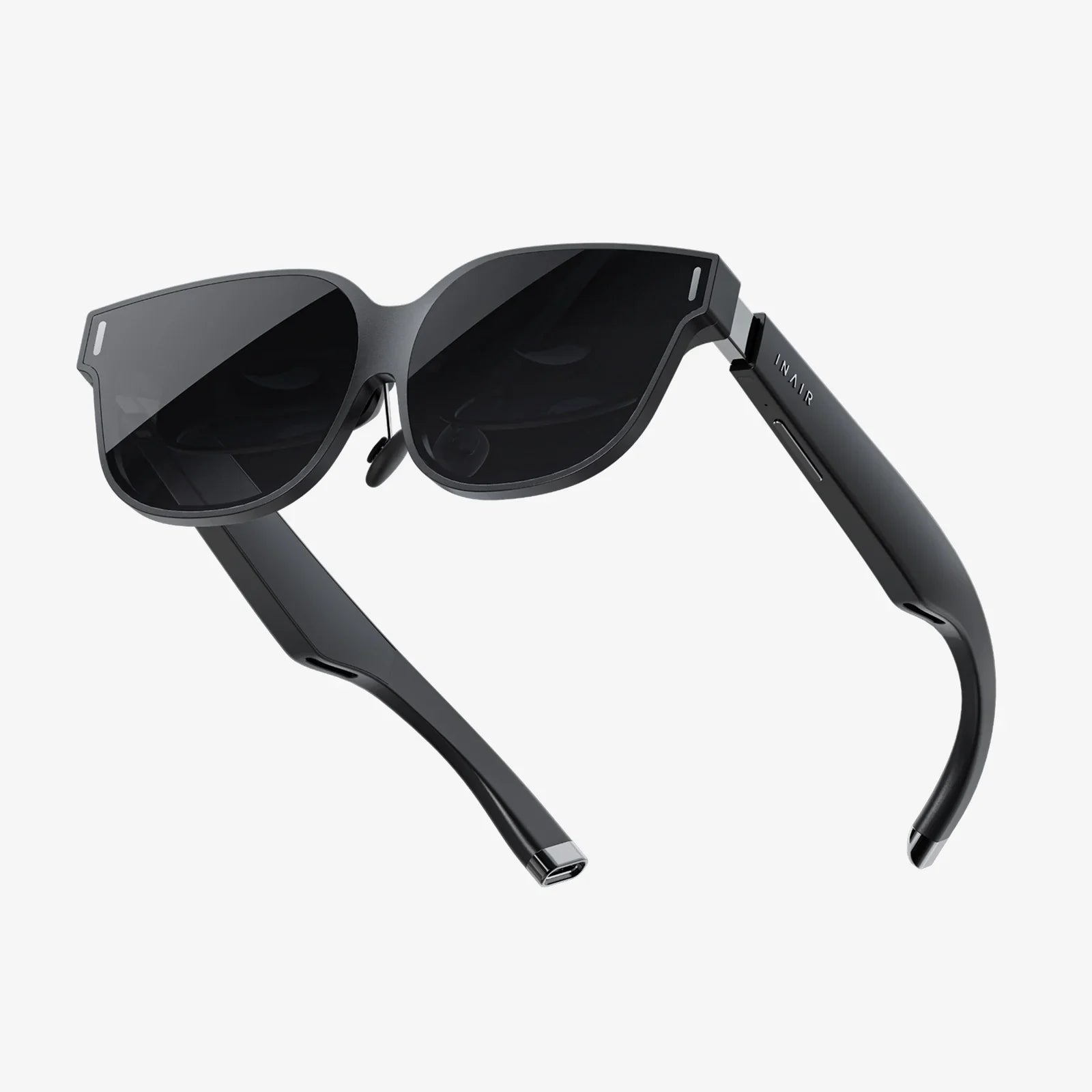
Imagine looking at your device's screen and seeing not just pixels and glass, but a flawless, invisible barrier that makes every image pop with near-perfect clarity while shielding it from the perils of the everyday world. This isn't a glimpse into a distant technological future; it's the reality offered by a sophisticated class of protective gear known as the AR screen protector. This comprehensive guide delves deep into the science, benefits, and considerations of this revolutionary accessory, exploring how it has redefined our relationship with the displays we rely on every single day.
Demystifying the Acronym: What Exactly is Anti-Reflective Technology?
To truly appreciate an AR (Anti-Reflective) screen protector, one must first understand the fundamental challenge it is designed to solve: light interference. Every glass or plastic surface, including your device's native screen, reflects a significant portion of the ambient light that hits it. This reflected light creates glare, which manifests as distracting bright spots, mirror-like effects, and a overall reduction in contrast and color vibrancy. This is why using your phone under bright sunlight becomes a frustrating game of angles and cupped hands, or why watching a movie in a well-lit room often means squinting at a dim, washed-out image.
Anti-reflective technology is not new; it has been a cornerstone of high-end optics for decades. Premium camera lenses, eyeglasses, and museum display cases all utilize AR coatings to minimize reflections and maximize light transmission. The core principle involves applying microscopically thin layers of metallic oxides to the surface of the glass. These layers work by causing light waves that would normally reflect off the surface to instead interfere with each other, effectively cancelling each other out. The result is that a vastly greater percentage of the light generated by your display passes through the glass unimpeded, reaching your eyes without competing with reflected ambient light.
The Anatomy of a Superior Viewing Experience
A high-quality AR screen protector is a marvel of material science and optical engineering. It's typically constructed as a multi-layered composite, with each layer serving a distinct and critical purpose.
- The Base Material: Often a premium tempered glass or an ultra-clear polymer, this layer provides the foundational strength and hardness to resist impacts and scratches. The quality of this base is paramount, as any inherent haziness or color tint would defeat the purpose of the AR coating.
- The Adhesive Layer: This is what bonds the protector to your device's screen. Modern adhesives are designed to be entirely bubble-free upon application and often feature properties that allow for easy repositioning during installation. Crucially, this layer must also be optically neutral.
- The Hard Coat: Applied to the outer surface, this is a exceptionally durable, often diamond-grade coating that gives the protector its scratch resistance, ensuring the AR coating beneath remains intact and effective.
- The Oleophobic Layer: This is a fingerprint-resistant coating that makes smudges and oils from your skin easy to wipe away, maintaining clarity and hygiene.
- The AR Coating (The Star of the Show): This is the heart of the product. Applied to the outer surface (and sometimes the inner surface as well for maximum effect), this multi-layer coating is meticulously engineered to target the specific wavelengths of visible light, drastically reducing reflectivity across the entire spectrum.
The synergy between these layers creates a product that is far more than the sum of its parts. It's not just a piece of glass; it's a precision optical filter.
A Spectrum of Tangible Benefits: Why Make the Upgrade?
The decision to use an AR screen protector is an investment in a superior user experience. The advantages extend far beyond the basic promise of scratch protection.
- Unparalleled Visual Clarity and Color Fidelity: This is the most immediate and noticeable benefit. By eliminating the veil of glare, images, text, and videos appear sharper, more vibrant, and with significantly improved contrast. Blacks look deeper, colors look more saturated and true-to-life, and fine details become more discernible. It effectively allows your device's display to perform at its absolute peak potential in any lighting condition.
- Dramatically Reduced Eye Strain and Fatigue: Constantly straining to see your screen through glare and reflections forces your eye muscles to work overtime. This can lead to headaches, dry eyes, and general visual fatigue, especially after prolonged use. An AR screen protector creates a more comfortable viewing experience by providing a clear, consistent image, making it an excellent choice for professionals, students, and avid readers who spend hours on their devices.
- Enhanced Outdoor Visibility: It transforms the usability of your device in bright sunlight. What was once a frustrating, reflective mirror becomes a usable screen, readable without having to seek shade or max out the brightness slider, which in turn conserves battery life.
- Preservation of Touch Sensitivity and Compatibility: High-end protectors are engineered to be incredibly thin and responsive, ensuring that every tap, swipe, and gesture is registered with pinpoint accuracy. They are fully compatible with advanced features like high refresh rates and stylus input, making them ideal for artists, designers, and gamers.
- Robust Protection Without Compromise: It provides the same essential protection as any other high-quality tempered glass protector—guarding against scratches from keys, sand, and other abrasives, and dispersing the force of an impact to help prevent your screen from shattering.
Installation and Maintenance: Ensuring Flawless Performance
To reap the full benefits of an AR screen protector, proper installation is non-negotiable. The process requires a clean, dust-free environment. Most kits include a detailed cleaning kit with wet and dry wipes, a microfiber cloth, and dust-removal stickers. Taking the time to meticulously clean the screen in a steamy bathroom (where dust is minimized) can make the difference between a perfect application and one plagued by dust specks trapped underneath.
Maintenance is straightforward. Due to the oleophobic coating, a simple wipe with a clean microfiber cloth is usually sufficient to remove fingerprints and smudges. It's important to avoid harsh chemicals, abrasive cleaners, or rough fabrics that could degrade the delicate AR and oleophobic coatings over time. Using a dedicated, soft-bristled brush to remove grit from your pocket before wiping the screen can also help preserve its pristine condition.
Beyond the Smartphone: The Expansive Applications of AR Technology
While most commonly associated with smartphones, the value of anti-reflective protection extends to a wide array of modern displays. Tablets, with their larger screens used for media consumption and creative work, benefit immensely from the reduced glare. For GPS devices and in-car infotainment systems, an AR protector is almost a safety feature, ensuring the screen remains readable in direct sunlight, preventing the driver from being distracted by glare.
Smartwatches, with their tiny, glanceable displays, become infinitely more useful outdoors with this technology. Furthermore, as augmented reality and virtual reality headsets continue to evolve, advanced optical coatings will be critical to creating immersive, comfortable, and visually stunning experiences by minimizing internal reflections and ghosting. The principles of the AR screen protector are scaling up to meet the demands of next-generation computing interfaces.
The Invisible Guardian: A Synthesis of Form and Function
The true mark of exceptional technology is that it becomes invisible in its operation. An AR screen protector is the epitome of this principle. When perfectly applied, it disappears both physically and optically. You don't see it; you see through it. You forget it's there until you try to use a device without one and are abruptly reminded of the distracting glare and washed-out colors you no longer have to tolerate.
It represents a perfect synthesis of form and function. It doesn't ask you to trade protection for clarity, or durability for sensitivity. It delivers on all fronts, elevating the fundamental interaction between you and your technology. It acknowledges that the display is the soul of a modern device—the window to its digital world—and it serves to keep that window perfectly clear, undistorted, and protected from the physical world it inhabits.
Upgrading to an AR screen protector is one of the most impactful yet understated enhancements you can make to your daily tech experience. It’s a decision to stop fighting against glare and to start enjoying your device's display exactly as the engineers intended—with stunning, unimpeded clarity that makes every interaction, from a mundane notification to a cinematic masterpiece, visually perfect. The difference isn't just visible; it's transformative, turning every screen into a pristine portal to your digital life.
Share:
Mini VR PC: The Ultimate Guide to Compact Powerhouses for Immersive Reality
AR Glasses Out Now: The Dawn of a Seamless Digital Overlay on Reality