


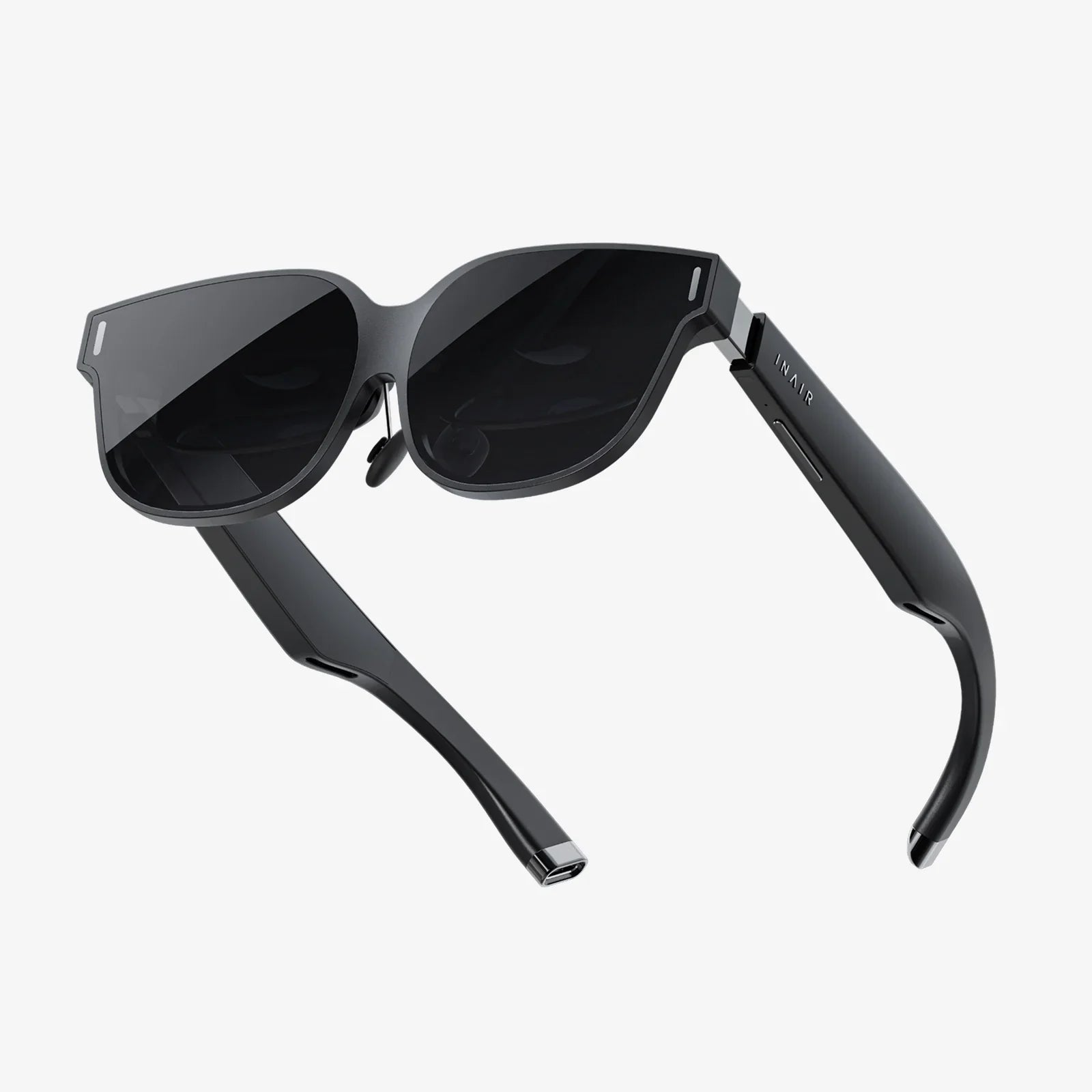
ar shopping is rapidly turning browsing into an immersive experience where you can see, try, and customize products before buying, all from your phone or laptop. Instead of guessing how a sofa might look in your living room or whether a pair of glasses suits your face, you can now project realistic 3D models into your space or onto your body in seconds. This shift is not just a tech novelty; it is quietly rewriting the rules of retail and giving early adopters a massive advantage in attracting and converting customers.
At its core, augmented reality overlays digital information onto the physical world. In ar shopping, that means virtual products, interactive labels, and guided experiences that appear through your device camera or specialized displays. The result is a shopping journey that feels more like exploring than scrolling. Retailers that understand how to design these experiences thoughtfully are seeing higher engagement, stronger trust, and fewer costly returns.
What Is ar shopping and Why It Matters Now
ar shopping refers to the use of augmented reality technology to enhance the buying process, both online and in physical stores. Instead of relying on static images or vague descriptions, shoppers can interact with 3D models, visualize items in their real environment, and receive contextual information in real time. This closes the gap between imagination and reality that has historically plagued online retail.
Several trends are pushing ar shopping from experimental to essential:
- Growing comfort with camera-based experiences: Video calls, social filters, and short-form content have normalized using the camera as an interface.
- Powerful mobile devices: Modern smartphones can handle complex 3D rendering and tracking, making AR accessible to the mainstream.
- Demand for convenience and certainty: Shoppers want fast decisions with fewer surprises. ar shopping offers more confident choices.
- Rising competition in e-commerce: Retailers need differentiation beyond price and shipping speed.
These forces make ar shopping more than a passing trend; it is becoming a baseline expectation in many categories, especially where fit, style, and spatial context matter.
How ar shopping Works: The Core Technologies
To understand why ar shopping is so powerful, it helps to break down the key technologies behind it:
1. 3D Product Models
At the heart of ar shopping are realistic 3D representations of products. These models are created through 3D scanning, computer-aided design, or hybrid techniques. High-quality models replicate size, materials, textures, and even how light interacts with surfaces. The more accurate the model, the more believable the AR experience.
2. Environment Tracking and Mapping
AR systems must understand the physical environment to place digital objects convincingly. Using the device camera and sensors, software detects surfaces, depth, and movement. This is what allows a virtual chair to stay anchored to your floor as you walk around it, or a virtual lamp to appear correctly scaled on your desk.
3. Face and Body Tracking
In categories like fashion and beauty, ar shopping relies on face and body tracking. Algorithms identify key points (eyes, nose, mouth, shoulders, hands) to position virtual items such as glasses, hats, makeup, jewelry, or clothing. The goal is to mimic real-world fit and movement as closely as possible.
4. Real-Time Rendering
To feel natural, AR visuals must respond instantly as users move or interact. Real-time rendering engines calculate lighting, shadows, and perspective on the fly. This is particularly important for products with reflective surfaces, transparent materials, or intricate details.
5. Interaction and User Interface
ar shopping interfaces allow users to rotate, scale, or change product options with intuitive gestures. Buttons, sliders, and contextual prompts guide exploration without overwhelming the screen. The best experiences feel playful yet purposeful, encouraging users to experiment and discover.
Key Benefits of ar shopping for Shoppers
For consumers, ar shopping solves some of the most frustrating parts of online and in-store buying. The benefits are both practical and emotional.
1. Visual Confidence Before Purchase
One of the biggest barriers to online shopping has always been uncertainty: Will this really look good on me? Will it fit in my space? AR dramatically reduces that uncertainty. You can see a sofa in your living room, a lamp on your bedside table, or a watch on your wrist, all at true-to-life scale.
This visual confidence leads to:
- Fewer “just in case” purchases.
- Less buyer’s remorse.
- Greater satisfaction with the final choice.
2. Better Sense of Fit and Proportion
Dimensions on a product page are often hard to interpret. AR lets you see whether a dining table leaves enough room to walk around, or whether a bookshelf overwhelms a small room. In fashion, AR can approximate how shoes, accessories, or outerwear might sit on your body, helping you filter out options that clearly do not work.
3. Faster Decision-Making
Instead of going back and forth between product images, reviews, and measurements, you can simply project the product into your world and decide. This streamlines the research phase and reduces the mental load of comparison shopping.
4. More Engaging and Enjoyable Shopping
ar shopping turns the process into an interactive experience. Trying different colors of a sofa in your living room or switching makeup shades on your face in real time feels more like playing than evaluating. This emotional engagement can make people more open to discovering new styles or products they might have ignored in a traditional catalog.
5. Reduced Returns and Wasted Time
When shoppers have a realistic preview, they are less likely to order items that clearly do not work. That means fewer returns, less time spent packing and shipping unwanted products, and fewer disappointments when items arrive.
Why Retailers Are Investing in ar shopping
For retailers, ar shopping is not just a flashy feature; it is a strategic investment that can impact revenue, costs, and brand perception.
1. Higher Conversion Rates
When shoppers can visualize a product in context, they are more likely to complete a purchase. AR can serve as the final nudge, turning hesitation into action. Retailers often find that pages with AR options see longer engagement and higher conversion compared to standard product pages.
2. Lower Return Rates
Returns are a major cost in e-commerce, especially in categories where fit and aesthetics matter. ar shopping helps ensure that buyers know what they are getting. Fewer surprises mean fewer returns, lower shipping and restocking costs, and less strain on customer service teams.
3. Differentiation in a Crowded Market
As more products compete on price and delivery speed, differentiation is harder to achieve. Offering polished AR experiences sets a retailer apart as innovative and customer-centric. It signals that the brand is investing in tools that genuinely help shoppers, not just in promotional campaigns.
4. Richer Data and Insights
ar shopping generates new types of behavioral data: which products are virtually tried most often, which colors are visualized in particular room types, how long users interact with 3D models, and where they drop off. These insights can inform inventory decisions, marketing campaigns, and product design.
5. Stronger Emotional Connection
When shoppers experience a product in their own space or on their own body, they form a stronger emotional connection. This sense of ownership, even before purchase, can increase brand loyalty and word-of-mouth recommendations.
Major Use Cases of ar shopping Across Industries
ar shopping is not limited to one category; it is reshaping multiple sectors simultaneously. Some of the most impactful use cases include:
1. Furniture and Home Decor
Few categories benefit more from AR than furniture and decor. Shoppers can:
- Place sofas, chairs, tables, and storage units in their rooms at true scale.
- Test different colors, fabrics, or finishes against existing decor.
- Check whether doors, drawers, and pathways remain accessible.
- Experiment with layouts before committing to a big purchase.
This is especially powerful for larger or more expensive items where mistakes are costly and inconvenient.
2. Fashion and Accessories
In fashion, ar shopping enables virtual try-ons for items such as:
- Glasses and sunglasses, aligned with the user’s face.
- Hats, headwear, and hair accessories.
- Jewelry like earrings, necklaces, and watches.
- Shoes and some types of clothing, using body tracking and size estimation.
While AR cannot yet perfectly replicate every aspect of fabric drape or exact fit, it is highly effective for style exploration and narrowing options.
3. Beauty and Personal Care
Beauty is another natural fit for ar shopping. Shoppers can:
- Try different shades of lipstick, foundation, blush, and eyeshadow on their own faces.
- See how skincare or grooming products might affect appearance through simulations.
- Compare looks side-by-side and save favorites.
This reduces the need for physical testers and allows experimentation from home, which is especially appealing for hygiene-conscious consumers.
4. Home Improvement and DIY
For home improvement, AR can overlay:
- Paint colors on walls.
- Flooring options on existing floors.
- Fixtures like lights, faucets, and hardware in kitchens and bathrooms.
- Tools and equipment placement in workshops or garages.
By previewing changes, homeowners and professionals can avoid costly mistakes and better plan projects.
5. Automotive and Large Purchases
In automotive and other high-value categories, ar shopping helps users:
- Explore detailed 3D models of vehicles inside and out.
- Customize colors, wheels, interiors, and add-ons.
- Visualize how a vehicle might look in their driveway or garage.
These experiences are particularly useful early in the research process, before visiting a showroom or scheduling a test drive.
6. Retail Stores and Hybrid Experiences
ar shopping is not limited to online. In physical stores, AR can enhance the visit by:
- Displaying additional product information when scanning a label.
- Showing styling suggestions or complementary items.
- Guiding shoppers to specific aisles or products.
- Creating interactive displays that respond to customer movement.
This hybrid approach blends the tactile advantages of in-store shopping with the depth and personalization of digital experiences.
Designing Effective ar shopping Experiences
Not every AR feature automatically improves shopping. Poorly executed experiences can feel gimmicky or frustrating. To create effective ar shopping, several design principles matter.
1. Start With Real Customer Problems
The most successful AR features solve specific pain points, such as:
- Difficulty visualizing large items in small spaces.
- Uncertainty about color matching or style coordination.
- Confusion about how a product works or assembles.
Before adding AR, retailers should identify where shoppers struggle, then design experiences that directly address those issues.
2. Prioritize Ease of Use
ar shopping must feel effortless. Key considerations include:
- Minimal steps to launch AR from a product page.
- Clear on-screen instructions for scanning surfaces or faces.
- Simple controls for rotating, resizing, or changing options.
- Accessible fallback for users with older devices or limited bandwidth.
If customers have to fight the interface, they will quickly abandon it.
3. Ensure Visual Accuracy
Trust depends on how closely the AR representation matches reality. That means:
- Accurate dimensions and scale.
- Realistic colors and textures.
- Proper lighting and shadows where possible.
- Clear communication about any limitations, such as approximate fit.
Overpromising or misrepresenting products in AR can backfire, leading to higher returns and damaged credibility.
4. Integrate AR Seamlessly Into the Journey
AR should not feel like a separate app or an isolated gimmick. Instead, it should be woven into the standard shopping flow:
- Prominent “View in your space” or “Try on” buttons on product pages.
- Automatic saving of AR configurations (such as chosen colors) to the cart.
- Easy sharing of AR views with friends or family for feedback.
When AR is integrated smoothly, it becomes a natural part of decision-making rather than a novelty.
5. Respect Privacy and Comfort
Because ar shopping often uses cameras and personal environments, privacy is crucial. Retailers should:
- Clearly explain what data is captured and how it is used.
- Offer AR modes that do not require saving images or videos.
- Provide easy options to delete any stored AR data.
Transparent practices build trust and encourage more users to experiment with AR features.
Challenges and Limitations of ar shopping
Despite its promise, ar shopping still faces challenges that retailers and shoppers should understand.
1. Technical Barriers
Not all devices support advanced AR features. Older phones or low-end models may struggle with performance, leading to lag, tracking issues, or reduced visual quality. Retailers must balance ambitious features with broad accessibility.
2. Content Creation Costs
High-quality 3D models and AR assets require investment. For retailers with large catalogs, converting every item into AR-ready format can be time-consuming and expensive. Many start with high-impact categories or bestsellers and expand gradually.
3. User Education and Adoption
Some shoppers are still unfamiliar or uncomfortable with AR. They may not know how to launch experiences or may worry about privacy. Clear instructions, gentle prompts, and visible benefits help overcome these barriers.
4. Fit and Feel Limitations
While AR excels at visual representation, it cannot fully convey tactile qualities like softness, weight, or fabric movement. It also cannot yet guarantee perfect sizing for clothing or shoes. Retailers should position AR as a powerful aid, not a flawless substitute for physical try-ons in all cases.
5. Environmental Constraints
AR tracking can struggle in low light, cluttered spaces, or environments with reflective surfaces. Users may need to adjust lighting or move to a clearer area for best results, which adds a small layer of friction.
Future Directions for ar shopping
ar shopping is still evolving, and several emerging trends point to where it may go next.
1. More Personalized Experiences
As retailers gather data on preferences and behavior, AR experiences will become more tailored. Imagine:
- Virtual showrooms automatically arranged in your preferred style.
- Outfit recommendations that appear on a virtual version of your body.
- Home decor suggestions that match your existing furniture scanned by AR.
This personalization can make shopping feel like working with a stylist or designer rather than browsing a catalog.
2. Social and Collaborative AR Shopping
Shopping is often social, and AR will reflect that. Future experiences may include:
- Friends joining the same AR session remotely to comment on items.
- Shared AR spaces where multiple users see the same virtual products in real time.
- Influencers or experts hosting live AR demonstrations that viewers can join from home.
These collaborative features can replicate the feeling of shopping together, even when people are physically apart.
3. Integration With Virtual Reality and Mixed Reality
As headsets and mixed reality devices become more common, ar shopping will blend with immersive environments. Shoppers might:
- Walk through virtual stores that mirror or extend physical locations.
- Interact with life-size product displays in virtual showrooms.
- Seamlessly switch between AR overlays in the real world and fully virtual spaces.
This convergence will give retailers new ways to tell stories and present products beyond the limits of physical shelf space.
4. Smarter Recommendations and Automation
Combining AR with artificial intelligence will unlock new capabilities, such as:
- Automatically suggesting complementary items as soon as you place a product in your space.
- Detecting room dimensions and recommending optimal furniture sizes.
- Analyzing facial features to propose styles of glasses or makeup that typically flatter similar profiles.
These smart features can turn ar shopping into a proactive assistant rather than a passive tool.
5. Sustainability and Reduced Waste
By helping customers make better decisions and reducing returns, ar shopping can contribute to more sustainable retail practices. Fewer shipments, less packaging, and more accurate purchases all reduce the environmental footprint of commerce.
How Shoppers Can Make the Most of ar shopping Today
For individual shoppers, leveraging ar shopping effectively can lead to smarter, more satisfying purchases. A few practical tips:
- Use AR early in your search: Do not wait until the final decision. Use AR to narrow down styles, sizes, and colors from the start.
- Test multiple options: Try different variations of the same product in your space or on your body to see what truly works.
- Check lighting and environment: Use AR in well-lit, uncluttered areas to get the most accurate visualization.
- Combine AR with reviews: AR shows how something looks; reviews reveal how it performs over time.
- Share AR views: Send screenshots or live views to friends or family when you want second opinions.
Approaching ar shopping as a tool for exploration rather than a final guarantee helps set realistic expectations while still reaping the benefits.
How Retailers Can Start With ar shopping Strategically
For retailers considering ar shopping, a strategic approach can maximize impact while managing costs.
- Identify high-value categories: Start with products where visualization clearly influences purchase decisions, such as furniture, decor, or high-ticket items.
- Pilot with a focused selection: Launch AR for a curated set of products, measure engagement and conversion, and refine the experience.
- Invest in quality assets: Prioritize accurate 3D models and intuitive interfaces over flashy but unreliable features.
- Educate customers: Use short tutorials, tooltips, and examples to show how AR works and why it is helpful.
- Integrate with existing systems: Ensure AR experiences connect smoothly to product pages, carts, and customer support.
By treating ar shopping as a long-term capability rather than a one-time promotion, retailers can build a sustainable advantage.
ar shopping is reshaping the expectations of what it means to browse and buy, turning static pages into dynamic experiences and transforming screens into virtual fitting rooms, showrooms, and design studios. Shoppers who embrace it gain clarity and confidence; retailers who invest in it gain loyalty and differentiation. As the technology becomes more natural, social, and personalized, the line between "online" and "in-store" will blur even further, and those who learned to navigate ar shopping early will be the ones shaping how the rest of the world decides what to buy next.
Share:
AR Clip-On Display: The Wearable Screen Changing Everyday Life
AR apps transforming everyday life, work, and play