


- by wangfred
AR Shopping News: The Future of Retail is Here and It's Changing Everything
- by wangfred
Imagine pointing your device at your living room and watching a new sofa materialize right before your eyes, perfectly scaled to fit the space. Or trying on a pair of sunglasses without ever stepping into a store. This isn't a glimpse into a distant sci-fi future; this is the reality of shopping today, powered by the explosive advancements in Augmented Reality. The latest AR shopping news reveals a retail revolution that is blending our physical and digital worlds, creating experiences that are not just convenient but truly magical, and it's a story every consumer needs to know.
The journey from simple e-commerce websites to immersive AR experiences has been rapid and revolutionary. Online shopping began as a digital catalog—a static, two-dimensional representation of products. The first major evolution was rich media: 360-degree spins, zoomable high-resolution images, and product videos. This was a step forward, but it still required a significant leap of faith from the consumer. Could you really trust that the shade of blue online would match the product in real life? Would that chair truly fit next to your fireplace?
Augmented Reality has emerged as the definitive answer to this problem of digital uncertainty. By overlaying computer-generated imagery onto the user's real-world environment through the camera of a smartphone, tablet, or AR glasses, it provides context and scale that was previously impossible. This technology bridges the confidence gap that has long plagued online retail, transforming the shopping experience from one of guesswork to one of certainty.
Staying abreast of AR shopping news means tracking several powerful trends that are currently defining the market and captivating users worldwide.
This is perhaps the most widely recognized application. Advanced computer vision algorithms and precise facial mapping allow users to see how eyewear, hats, makeup, and even jewelry will look on their own face and body. For clothing, the technology is becoming increasingly sophisticated, moving beyond a simple overlay to simulate how fabrics drape and move. This drastically reduces purchase anxiety and has a direct, positive impact on conversion rates and a significant reduction in return rates, a critical metric for retailers.
This application solves a very practical and expensive problem: buyer's remorse for large items. Users can now place true-to-scale 3D models of sofas, tables, lamps, and art directly into their room. They can walk around the virtual product, see how it looks from different angles, and ensure it fits perfectly both in terms of dimensions and aesthetic. This empowers consumers to make confident design decisions from the comfort of their homes, democratizing interior design.
Beyond the point of sale, AR is enhancing the unboxing and usage experience. Pointing a device at a product's packaging might launch an interactive 3D model that you can explore from every angle before even opening the box. For complex products, a printed manual or a marker on the device itself can trigger step-by-step AR instructions superimposed on the physical components, making assembly and setup intuitive and frustration-free.
Social media platforms have become powerful storefronts. Brands are leveraging this by creating fun, engaging AR filters that allow users to virtually try on products. A user can share a video of themselves wearing a brand's virtual sneakers with their friends, who can then click through and make a purchase instantly. This merges social proof, entertainment, and shopping into a seamless, viral loop, driving discovery and sales.
The adoption of AR isn't just about the cool factor; it's driven by a compelling roster of benefits for both businesses and consumers.
Despite the exciting progress, the AR shopping news cycle also includes discussions of the challenges that remain. Widespread adoption faces several hurdles. The quality of the experience is highly dependent on the user's device hardware and internet connection. Creating high-fidelity, photorealistic 3D models for an entire catalog can be resource-intensive and expensive for retailers, though advancements in 3D scanning and AI are rapidly lowering these barriers. Furthermore, there is a need for industry-wide standards to ensure a consistent and seamless experience across different platforms and devices. Finally, consumer education is key; many users are still unaware that these features exist or how to access them.
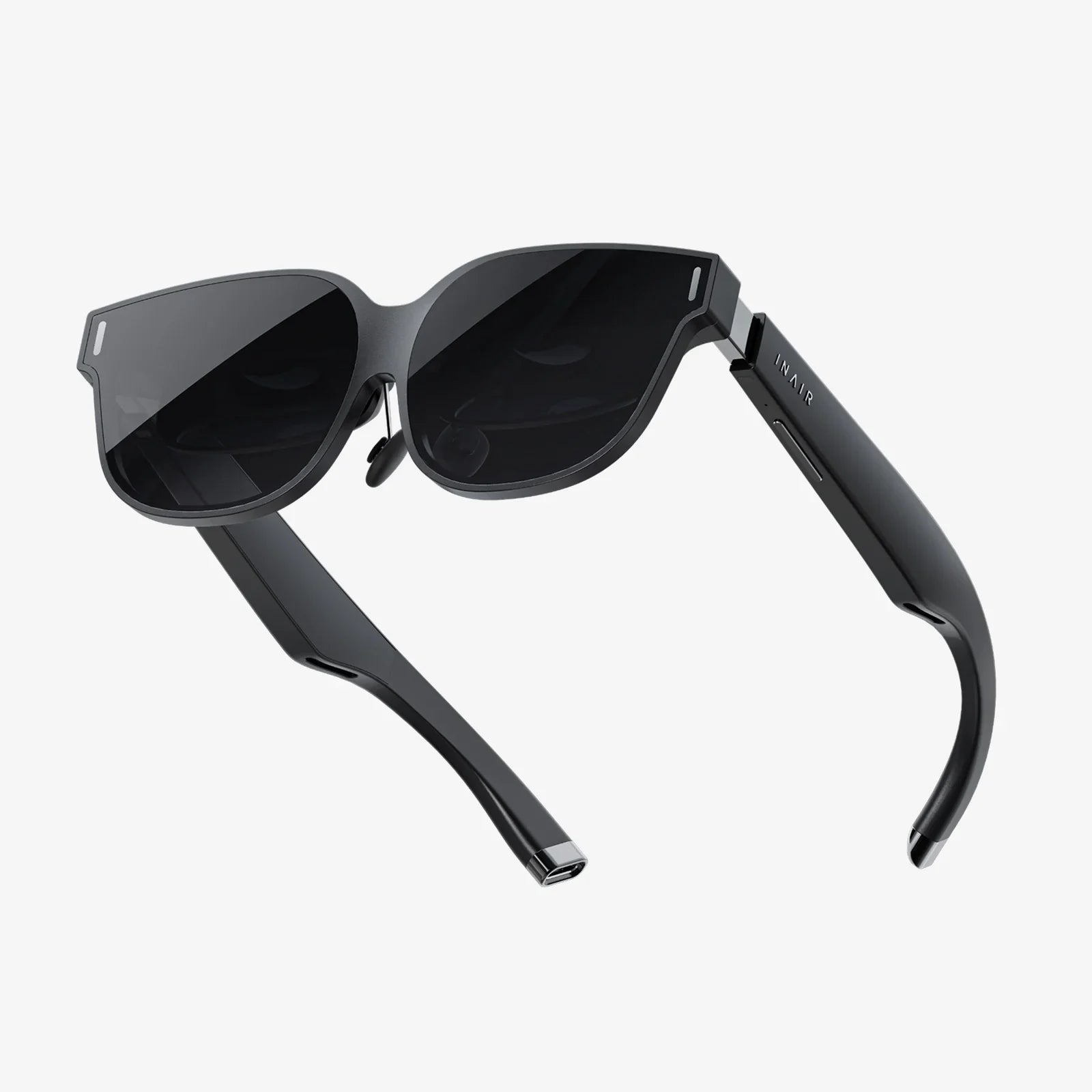
The future of AR shopping, as forecast by industry experts and tech insiders, is even more immersive. The next leap will be the move from smartphone screens to lightweight, stylish AR glasses. This will create a truly hands-free, always-available experience—imagine product reviews and price comparisons appearing next to items on a physical store shelf as you look at them. The integration of Artificial Intelligence will lead to hyper-personalization; your AR assistant could suggest outfits based on your style preferences, current wardrobe, and even the weather forecast. We are also moving towards a more interconnected ecosystem, often referred to as the spatial web, where digital product information is persistently anchored to physical locations and objects, creating a rich layer of interactive data over the entire world.
The narrative unfolding in the world of retail is no longer about choosing between online and offline. The most compelling AR shopping news confirms that the winning strategy is a fusion of both—a phygital reality where the lines are forever blurred. This technology is poised to become not a novelty, but a standard expectation, as fundamental to online shopping as the shopping cart itself. The stores of the future won't be confined to main streets or malls; they will be anywhere you are, waiting to be unlocked with a simple look.
Share:
Headset for Watching Movies: Your Ultimate Guide to Cinematic Audio at Home
Office VR: The Next Frontier in Remote Work and Digital Collaboration