


- by wangfred
AR Styles Are Redefining Reality and Reshaping Our Digital Future
- by wangfred
Imagine a world where your surroundings are not just static objects but a dynamic canvas, where information, art, and digital life bleed seamlessly into your physical reality. This isn't a distant sci-fi fantasy; it's the burgeoning present, powered by the ever-evolving language of augmented reality styles. AR is shedding its initial gimmickry, maturing into a sophisticated medium with its own distinct visual dialects and functional philosophies. The way these digital layers are styled—how they look, behave, and integrate with our world—is no longer an afterthought but the very core of the experience, determining whether AR feels like a magical enhancement or a clumsy intrusion. The exploration of AR styles is the exploration of our future interface with the world itself.
Before dissecting the various genres, it's crucial to understand the core components that define any AR style. These are the building blocks that designers manipulate to create coherent and compelling experiences.
This spectrum ranges from hyper-realistic 3D models that strive to be indistinguishable from physical objects to stark, minimalist wireframes and everything in between. The choice here is deeply intentional. A high-fidelity style might be used for trying on virtual furniture to ensure it matches the texture and lighting of your room, while a low-poly or cel-shaded aesthetic might be chosen for a game to create a specific artistic mood and ensure performance on diverse devices.
How does a user engage with the AR element? The style of interaction is a key part of the overall design. This can include:
The styling of these interactive elements—their size, transparency, and animation—must provide clear affordances, signaling to the user how they can be used.
Perhaps the most magical aspect of AR is its ability to understand and respect the physical world. Advanced styles employ persistent occlusion, where digital objects are realistically hidden behind physical ones (e.g., a virtual character stepping behind a real sofa). The precision of spatial anchoring—how rock-solid an object appears on a surface—is a critical stylistic choice that defines the believability of the illusion.
As the medium has matured, several distinct genres of AR styles have emerged, each serving different purposes and evoking different emotions.
This is arguably the most practical and widespread application of AR. The style here is clean, data-driven, and minimally intrusive. Think of floating text labels identifying constellations in the night sky, navigation arrows painted onto the street through your phone's screen, or repair instructions overlaid directly onto a malfunctioning engine part. The aesthetic prioritizes clarity and legibility above all else, often using monospaced fonts, high-contrast colors, and simple iconography. The goal is to augment human capability, not to distract from the task at hand.
This genre transforms AR into a portable art gallery or a tool for boundless creativity. Here, the style is everything. It can involve:
The visual language is limited only by the artist's imagination, often pushing the boundaries of surrealism and abstract design.
This style turns the entire world into a playground or a story setting. Popularized by global phenomena, this approach uses a consistent and engaging aesthetic to drive user engagement. The style is often colorful, playful, and character-driven. Game mechanics are overlaid onto real-world locations, encouraging exploration and social interaction. The narrative style might use environmental storytelling, where discovering a virtual note or character in a specific location reveals part of a larger plot, blending the history of a place with a fictional layer.
This is the realm of filters and virtual try-ons. The styles here are often trendy, whimsical, and highly shareable. They range from realistic makeup and accessory try-ons to fantastical face distortions and environment-altering effects. The key stylistic challenge is perfect alignment and tracking to ensure the digital effect moves and behaves as if it is a natural part of the user or their environment. This genre has democratized AR, making it a tool for personal expression and identity exploration.
The aesthetic possibilities of AR are inextricably linked to the hardware and software that power it. The evolution of style is a dance with technological advancement.
Early AR was often marker-based, requiring a specific image or QR code to activate the experience. This constrained the style, tethering it to a physical trigger. The shift to markerless AR, powered by simultaneous localization and mapping (SLAM) algorithms, was a revolution. It allowed styles to become truly environmental and persistent, unlocking genres like world-scale gaming and furniture placement. The style could now be untethered from a piece of paper and woven into the fabric of a location itself.
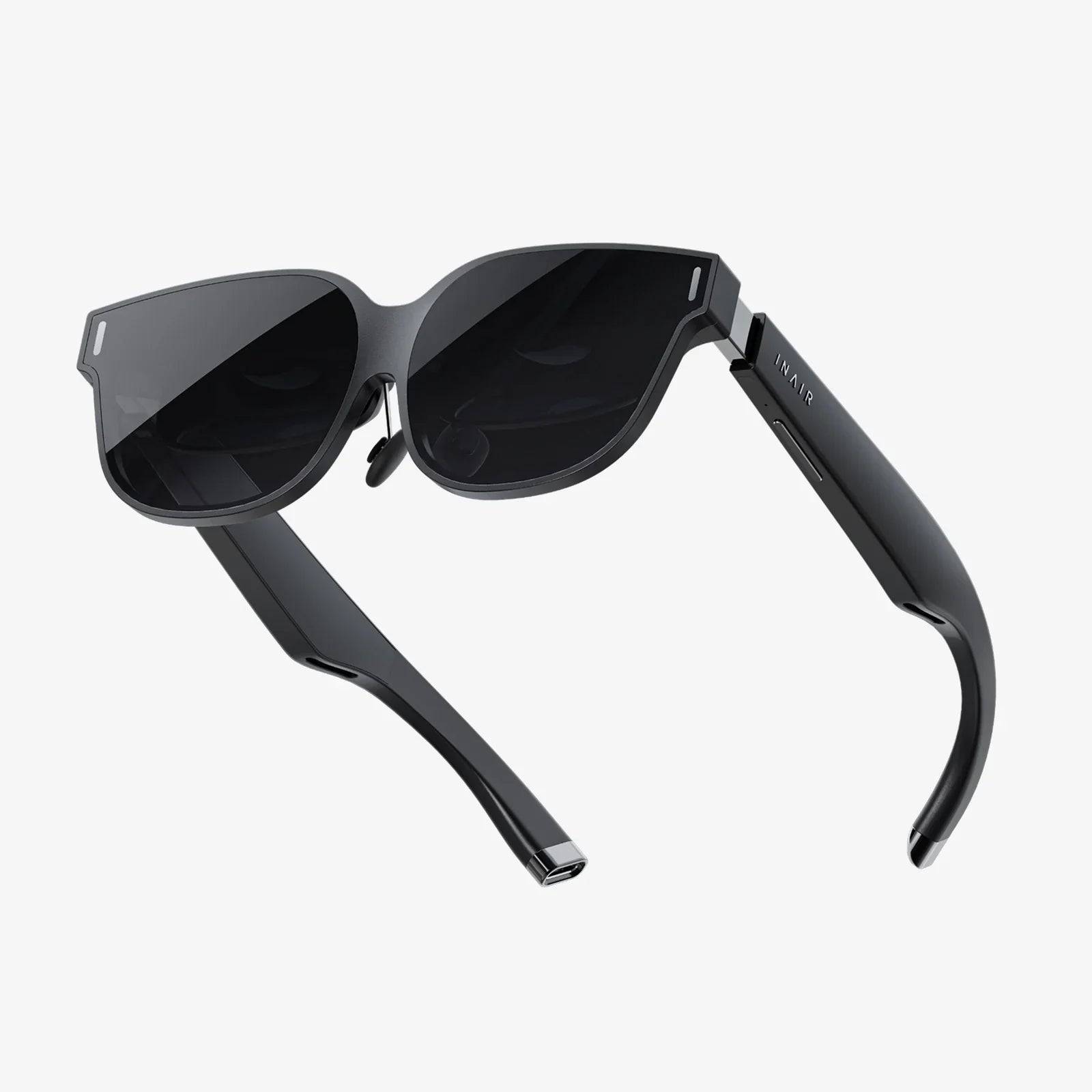
While smartphone-based AR is ubiquitous, the next great leap in style is being dictated by the development of wearable augmented reality glasses and headsets. This shift from holding an interface to living within it is profound. It necessitates new stylistic paradigms:
Wearable technology will demand styles that are more integrated, subtle, and respectful of the user's field of view than the often bold and screen-centric styles of today.
As this technology becomes more woven into the fabric of daily life, the stylistic choices we make today will have long-lasting implications.
Just as the internet coalesced around common design patterns, AR is in need of a foundational visual language that users can intuitively understand. This doesn't mean stifling creativity, but rather establishing a baseline of usability. What does a "selectable" object look like in 3D space? How is a menu summoned and dismissed? Developing these cross-platform conventions will be essential for mainstream adoption and accessibility.
The power of AR is also its greatest danger. If every corporation, advertiser, and individual can place stylized digital content into shared physical spaces, we risk creating a nightmare of visual noise and digital pollution. The future will require careful curation, zoning laws for digital content, and stylistic guidelines that prioritize public well-being over aggressive advertisement. An ethical AR style might be one that is minimal, contextually relevant, and can be easily filtered or disabled by the user.
As photorealism in AR improves, the line between what is real and what is augmented will blur. This raises profound questions about authenticity, trust, and misinformation. Stylistic choices will play a role in mitigating this. Should hyper-realistic AR content be required to have a subtle digital watermark or aesthetic signature? Developing a visual syntax that allows users to distinguish between the physical and the augmented, when desired, will be a critical ethical challenge for designers.
The silent revolution of AR styles is already rewriting the rules of design, art, and human-computer interaction. It’s a frontier where the only limit is the imagination, offering a glimpse into a future where our digital and physical lives are not just connected, but beautifully and intelligently intertwined. The canvas is the world, and we are all just beginning to paint.