


- by wangfred
AR Technology: Bridging Our Digital and Physical Realities
- by wangfred
Imagine a world where information doesn’t live on a screen in your hand but is painted onto the world around you. Directions materialize as glowing arrows on the pavement, historical figures reenact events on the very ground they occurred, and the inner workings of a complex machine are visible through its casing. This is no longer the realm of futuristic films; it is the emerging reality being built by Augmented Reality (AR) technology, a transformative force poised to reshape how we work, learn, play, and connect.
At its core, AR is a technology that superimposes a computer-generated overlay—comprising images, sounds, text, and other data—onto a user's real-world view. Unlike Virtual Reality (VR), which creates a completely immersive, artificial environment, AR enhances the real world by adding a digital layer to it. This seemingly magical feat is accomplished through a sophisticated symphony of hardware and software components working in concert.
The journey of an AR experience begins with data acquisition. A suite of sensors, including cameras, GPS, accelerometers, gyroscopes, and light sensors, acts as the eyes and ears of the device, constantly gathering information about the surrounding environment and the user's position within it. The camera captures the live video feed, while the inertial measurement unit (IMU) tracks the precise orientation and movement of the device or headset.
This raw data is then fed into the processor, the brain of the operation. Here, complex algorithms spring into action. Computer vision software analyzes the video feed to identify flat surfaces, recognize objects, and map the physical space in three dimensions—a process known as simultaneous localization and mapping (SLAM). This spatial understanding is absolutely critical; it allows the digital content to be anchored to a specific point in the real world, ensuring that a virtual dinosaur doesn't drift away if you walk around it.
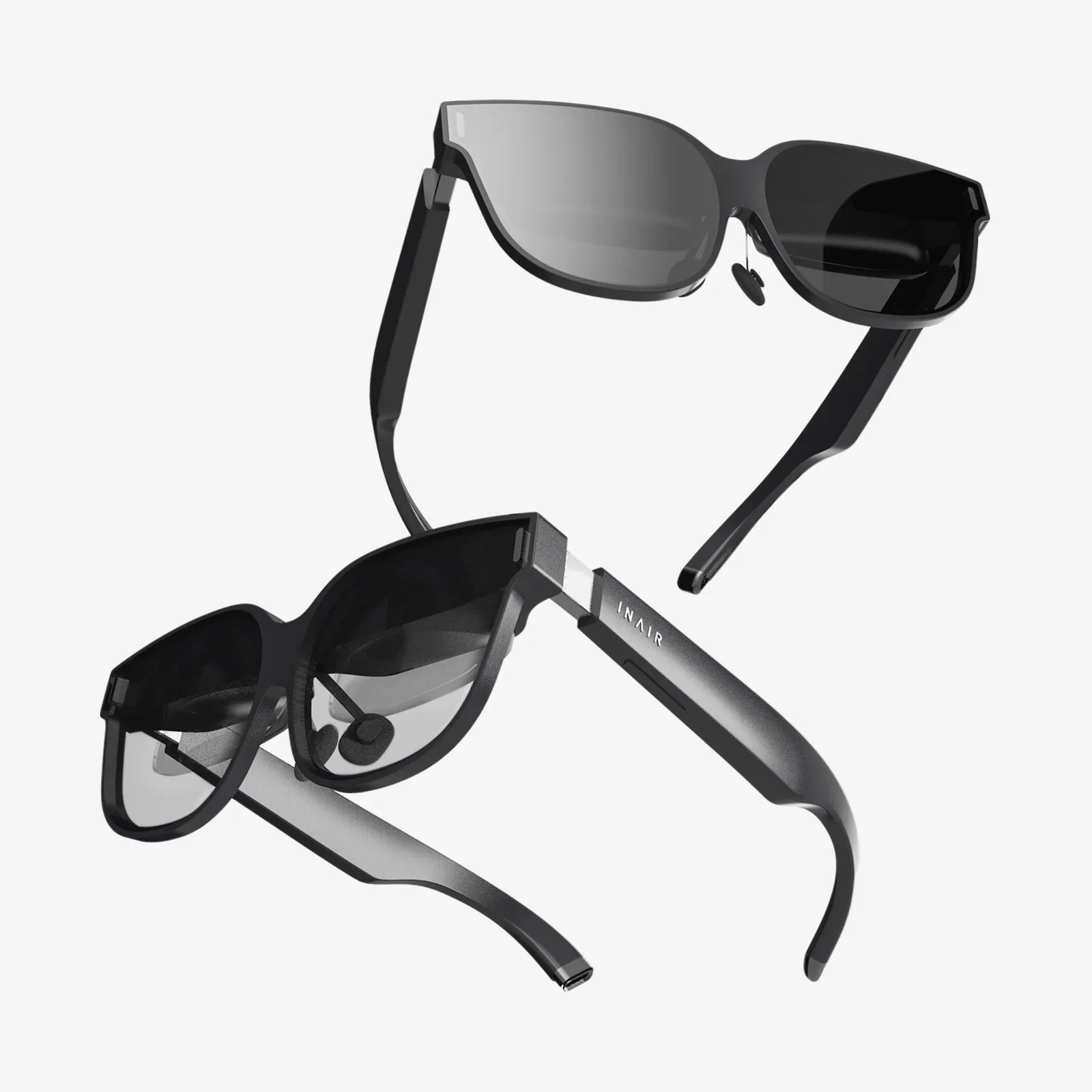
Finally, the display technology renders the composite image for the user. This can be achieved through several methods: on smartphones and tablets, the augmented view is simply shown on the screen. For more immersive experiences, head-worn displays like smart glasses use either optical projection systems, which beam light onto transparent lenses, or see-through displays that allow light from the environment to pass through a combiner that reflects the digital imagery.
While a popular mobile game famously brought AR into the public consciousness, its utility extends far beyond entertainment. The technology is proving to be a powerful tool across a diverse range of sectors, solving real-world problems and enhancing human capability.
In industrial settings, AR is a game-changer for efficiency and accuracy. Maintenance technicians can wear AR glasses that overlay step-by-step repair instructions and animated diagrams directly onto the equipment they are fixing, freeing their hands and reducing errors. Warehouse workers can see optimal picking paths and item locations highlighted in their field of view, dramatically speeding up logistics. Furthermore, architects and engineers can project full-scale 3D models of their designs onto a construction site, allowing for virtual walkthroughs and clash detection before a single foundation is poured.
AR has the potential to turn any classroom or training facility into an interactive learning environment. Medical students can practice procedures on detailed, layered holograms of the human body, gaining invaluable experience without risk. History lessons can come alive as students point their devices at a textbook image to see a historical event unfold on their desk. Mechanics-in-training can see the internal components of an engine and their relationships visualized in real-time, accelerating the learning curve and deepening understanding.
The retail sector is leveraging AR to bridge the gap between online shopping and the physical experience. Customers can use their smartphones to see how a piece of furniture would look and fit in their living room, or how a new shade of paint would appear on their walls. Virtual try-on applications for apparel, accessories, and even makeup allow for more confident purchasing decisions, reducing return rates and increasing customer satisfaction. This "try before you buy" digital experience is redefining consumer engagement.
In healthcare, AR is moving from novelty to necessity. Surgeons can use AR headsets to visualize critical patient data, such as ultrasound or CT scan imagery, superimposed directly onto the patient's body during a procedure, improving precision and outcomes. It aids in complex vein detection for injections and can provide powerful visual aids to help patients better understand their conditions and treatments, fostering improved doctor-patient communication.
As with any powerful technology, the ascent of AR is not without its significant challenges and profound ethical questions that society must address.
From a technical standpoint, AR still grapples with limitations in battery life, processing power, and display technology. For AR glasses to become all-day companions, they need to be lightweight, socially acceptable, and offer a full day of power. There is also the risk of digital overload and further blurring the lines between work and personal life. The social implications of people interacting more with digital overlays than with their immediate physical environment and the people in it raise concerns about further social isolation and a new form of digital distraction, especially in public spaces.
Perhaps the most pressing concern is privacy. AR devices, by their very nature, are data collection powerhouses. They have continuous cameras and sensors scanning environments, both public and private. This raises alarming questions: Who owns the data collected about your home or your person? How is this data being used, stored, and potentially sold? The potential for pervasive surveillance, facial recognition in real-time, and unauthorized data harvesting presents a dystopian risk that must be mitigated through robust regulation, transparent data policies, and ethical design principles that prioritize user consent and privacy from the ground up.
There is a tangible risk that AR technology could exacerbate existing socioeconomic inequalities. Early access to advanced AR tools will likely be available to wealthy corporations, institutions, and individuals first, granting them significant advantages in education, productivity, and economic opportunity. Ensuring that this technology develops in an inclusive and accessible manner is crucial to preventing a new "AR divide" from forming.
The trajectory of AR points toward a future where the technology becomes increasingly seamless and integrated into our daily lives. We are moving toward sleek, consumer-friendly smart glasses that will eventually replace smartphones as our primary gateway to digital information. The concept of the "spatial web" or "Web 3.0" envisions a world where digital information is persistently tied to locations and objects, creating a unified field of interaction between the physical and digital realms.
Advances in AI will make AR systems more contextual and intuitive, understanding not just where something is, but what the user is trying to accomplish. 5G and later 6G connectivity will provide the high-bandwidth, low-latency backbone required for complex, cloud-rendered AR experiences to be streamed instantly to any device, anywhere. This convergence of technologies will unlock possibilities we are only beginning to imagine, from truly immersive remote collaboration to new forms of art and storytelling.
The path forward is not merely about better hardware; it is about designing thoughtful, human-centric experiences that augment our reality in ways that are meaningful, ethical, and empowering. It requires a collaborative effort between technologists, policymakers, ethicists, and artists to shape this new medium into a force for good.
The next time you look at the world around you, consider the invisible digital layer that is slowly being woven into the fabric of your reality. The choices we make today will determine whether this powerful tool becomes a distracting nuisance, an instrument of control, or perhaps humanity's greatest ally in overcoming complexity, fostering understanding, and unlocking our collective creative potential. The bridge between our atoms and our bits is being built right before our eyes—and it’s a sight you won’t want to look away from.