


- by wangfred
AR Technology Computer: The Dawn of a New Spatial Computing Era
- by wangfred
Imagine a world where your computer has no screen, where digital information bleeds seamlessly into your physical reality, and where your desk, your walls, and the world itself become an infinite, interactive canvas. This is no longer the stuff of science fiction; it is the imminent future being forged by the powerful convergence of Augmented Reality technology and computing. This fusion is birthing a new class of device—the AR technology computer—a system that promises to fundamentally redefine our relationship with information and with each other, moving us beyond the confines of the rectangular screen into a world of spatial computing.
At its heart, an AR technology computer is a system designed not to replace the world we see, but to augment it. Unlike Virtual Reality (VR), which constructs a fully digital environment, AR overlays digital content—images, data, 3D models, interfaces—onto the user's view of their immediate surroundings. This creates a composite view where the real and the virtual coexist and interact in real-time. The magic lies in the seamless integration; a well-designed AR experience feels less like using a tool and more like an enhanced layer of perception itself.
The technological stack required to achieve this is immensely complex, relying on a symphony of advanced components working in perfect harmony. It demands a level of environmental understanding, graphical rendering, and user interaction that pushes the boundaries of modern computing.
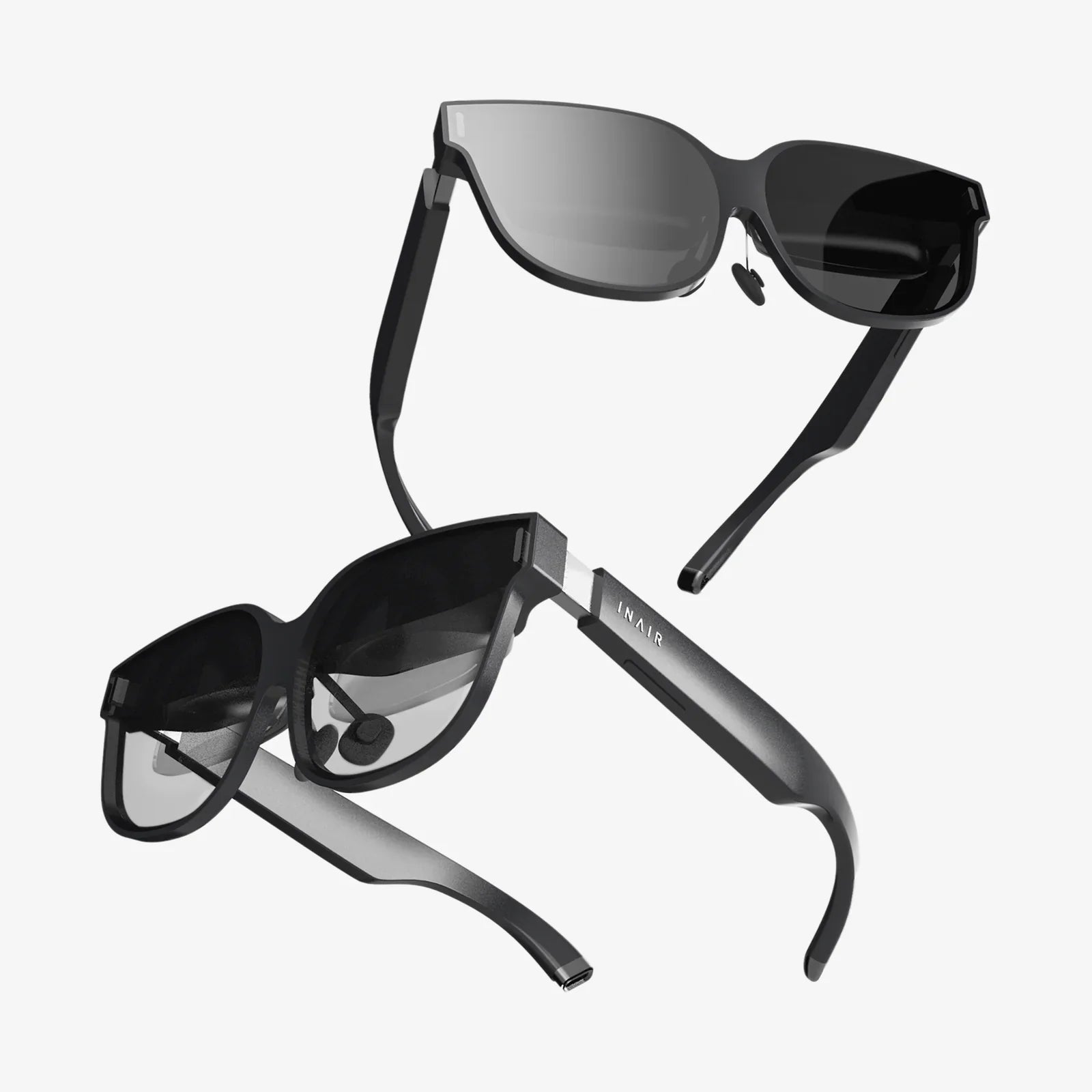
The physical manifestation of an AR computer can vary, from sleek glasses and visors to sophisticated head-mounted displays, but their internal architectures share common, critical components that function as the system's senses and nervous system.
An AR device is, first and foremost, a seeing machine. It utilizes a complex array of optical sensors to perceive the world. This typically includes:
The raw data from these sensors is a chaotic stream of information. Making sense of it is the job of the onboard computing unit, a marvel of miniaturization and power efficiency. This is where the real "computer" in "AR technology computer" resides. Its tasks are monumental:
How does light from a tiny micro-display become a solid-looking hologram floating in your room? This is the domain of advanced optics. Many modern AR systems use waveguide technology. These are transparent glass or plastic plates that use diffraction gratings to pipe light from projectors on the side of the glasses into the user's eye. This technology is key to creating sleek, glasses-like form factors. The challenge is achieving a wide field of view, high resolution, and high brightness in a small package—a challenge that continues to drive innovation in material science.
Powerful hardware is useless without an operating system and software framework designed to manage this new paradigm. The software for an AR computer must be a spatial operating system.
The potential of AR computing extends far beyond gaming and entertainment. It is poised to revolutionize nearly every professional field.
Engineers and designers can project full-scale 3D models of new products into a physical space, examining ergonomics and aesthetics long before a physical prototype is built. Factory technicians can see assembly instructions overlaid directly on the machinery they are repairing, reducing errors and training time.
Surgeons can visualize CT scans and MRI data as 3D holograms overlaid on a patient's body during procedures, providing an X-ray view in real-time. Medical students can practice complex procedures on detailed anatomical models, and therapists can use AR for innovative rehabilitation exercises.
A field expert can see what a remote technician sees and draw annotations directly into their field of view, guiding them through a complex task as if they were standing side-by-side. Teams distributed across the globe can meet around a virtual 3D model, discussing and iterating as if it were physically present in the room.
Customers can use AR to see how a new sofa would look in their living room, how a pair of glasses would fit their face, or how a new shade of paint would transform a wall. This "try before you buy" digital experience bridges the gap between online shopping and physical retail.
Despite the exciting progress, the path to ubiquitous AR computing is fraught with significant hurdles that must be overcome.
The shift from personal computing to spatial computing is not merely an incremental upgrade. It represents a fundamental change in the paradigm of human-computer interaction. We are moving from a model where we consciously go to a device and look at a screen, to one where context-aware information comes to us, seamlessly integrated into our lives. The computer ceases to be a destination and becomes an ambient, intelligent layer enhancing our perception and capabilities. It promises a future of more natural, intuitive, and human-centric technology, reducing the cognitive load of interfacing with machines and allowing us to focus more on the task—and the people—at hand.
The journey into this augmented world is just beginning. The AR technology computer is not just another gadget; it is the key that will unlock the next digital revolution, transforming every screen you know into a portal and every space you inhabit into a potential workspace, playground, and canvas for human creativity. The boundary between the digital and the physical is dissolving, and the tools to navigate this new blended reality are now coming into focus, promising to change everything from how we work and learn to how we connect and see the world around us.
Share:
How to Fix VR Black Screen: A Comprehensive Troubleshooting Guide
Virtual Home Office Design: The Ultimate Guide to Creating a Productive and Inspiring Remote Workspace