


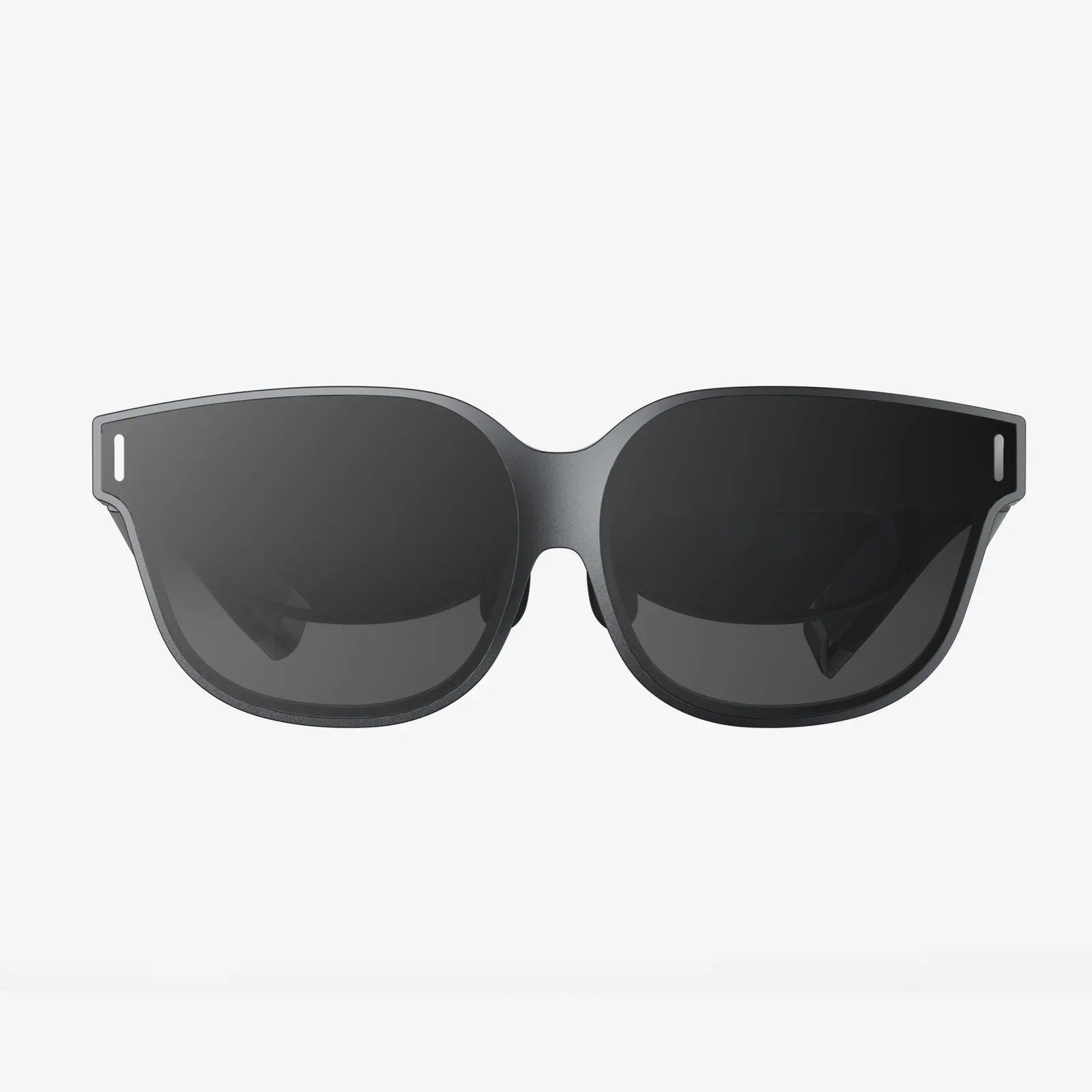
Imagine a world where your sunglasses do more than just shield your eyes from the sun's harsh glare; they overlay a rich tapestry of digital information onto your surroundings, transforming a simple walk in the park into an interactive, informative, and profoundly safer experience. This is not a scene from a science fiction novel but the imminent reality promised by AR UV glasses, a technological marvel that seamlessly merges the critical health function of ultraviolet protection with the boundless potential of augmented reality. This convergence represents a pivotal moment in wearable technology, moving beyond mere convenience to create a device that is both a guardian of health and a gateway to a new dimension of perception.
The Foundational Imperative: Understanding Ultraviolet Protection
Before delving into the augmented layers, it is crucial to appreciate the fundamental purpose these glasses serve. Ultraviolet (UV) radiation, an invisible component of sunlight, poses a significant threat to ocular health. Prolonged, unprotected exposure to UV-A and UV-B rays is scientifically linked to a host of serious eye conditions, including photokeratitis (a sunburn of the eye), cataracts, pterygium (a growth on the eye's surface), and certain types of eye cancers. High-quality sunglasses have long been the first line of defense, blocking close to 100% of these harmful rays. AR UV glasses build upon this non-negotiable foundation. They are not merely gadgets with a tinted lens; they are, first and foremost, sophisticated protective eyewear engineered to preserve one of our most precious senses. This inherent focus on health and safety elevates them from a novelty to a necessity, providing tangible value regardless of their augmented capabilities.
The Digital Layer: Augmented Reality Unveiled
Augmented reality is the technology that superimposes computer-generated images, sounds, and data onto a user's real-world view. Unlike virtual reality, which creates a completely immersive digital environment, AR enhances the existing world by adding a digital stratum of information. AR UV glasses incorporate miniature displays, sensors, and sophisticated processing units into their frames. These components work in concert to project images directly onto the lenses or into the user's field of view. This allows for a hands-free, intuitive interface where digital content—be it navigation prompts, text messages, or complex holograms—appears to coexist with physical objects. The magic lies in the integration; the technology is designed to be unobtrusive, providing information on demand without occluding the user's vision or compromising their awareness of their environment.
The Symphony of Convergence: How AR and UV Protection Unite
The true genius of AR UV glasses lies in the elegant synthesis of these two disparate functions. Engineers and designers face the formidable challenge of embedding advanced electronics into a form factor that remains comfortable, stylish, and effective as sunglasses. This involves several key technological innovations:
- Advanced Lens Technology: The lenses are not simple tinted plastic. They are complex optical systems that combine UV-blocking compounds with waveguides or other systems to channel light from micro-projectors to the eye. Some designs use photochromic technology, allowing the lenses to automatically adjust their tint based on ambient light conditions, ensuring optimal comfort and protection indoors and out.
- Miniaturized Hardware: The processing power required for AR is immense, necessitating powerful yet incredibly small chips, batteries, and sensors packed into the arms and bridge of the glasses. Advances in semiconductor technology and battery energy density have been critical enablers.
- Intuitive Interaction: Input methods are designed for seamless use. This includes voice commands, touch-sensitive frames, gesture recognition using built-in cameras, and even predictive AI that anticipates user needs based on context, location, and behavior.
The result is a single, cohesive device that feels natural to wear, prioritizes the user's health, and unlocks a new way of seeing and interacting with the world.
Transforming Everyday Experiences: Practical Applications
The potential applications for AR UV glasses are as vast as the imagination, poised to revolutionize numerous aspects of daily life.
Enhanced Navigation and Exploration
Forget looking down at a phone screen for directions. With AR UV glasses, digital arrows and pathways can be painted directly onto the street in front of you, guiding you turn-by-turn through an unfamiliar city. Landmarks can be tagged with historical information, and restaurants can display their menus and ratings as you walk past them, transforming tourism and urban exploration into a deeply immersive experience.
Revolutionizing Fitness and Outdoor Activities
For the fitness enthusiast, these glasses are a game-changer. Runners and cyclists can see their heart rate, pace, and route mapped over their real-world view without breaking stride. Hikers can have trail difficulty ratings and altitude data overlaid on the path ahead. The UV protection is a natural benefit for anyone spending extended time outdoors, making the activity safer and more informative.
Professional and Industrial Productivity
In fields like manufacturing, engineering, and logistics, AR UV glasses can provide workers with hands-free access to schematics, assembly instructions, and inventory data. A technician performing a repair could see a holographic guide superimposed on the machinery, indicating which wire to cut or which bolt to tighten, drastically reducing errors and improving efficiency.
Accessibility and Inclusive Design
This technology holds immense promise for enhancing accessibility. Real-time captioning of conversations for the hearing impaired, object recognition and audio descriptions for the visually impaired, and translation of foreign language signs directly within the user's field of view can break down barriers and create a more inclusive world.
Navigating the Challenges: Privacy, Social Norms, and Safety
As with any transformative technology, the adoption of AR UV glasses is not without its hurdles and ethical considerations. The ability to record video and audio discreetly raises profound questions about personal privacy and consent. The societal etiquette of wearing such devices in conversations, meetings, and public spaces is yet to be defined. There are also valid concerns about digital distraction; ensuring that augmented information enhances rather than detracts from real-world awareness, especially when navigating traffic or operating machinery, is a critical design and regulatory challenge. Addressing these issues will require thoughtful collaboration between developers, policymakers, and the public to establish norms and safeguards that allow the technology to flourish responsibly.
The Future is Clear: What Lies Ahead
The current generation of AR UV glasses is merely the precursor to a more integrated future. We can anticipate developments such as even more compact and powerful designs, longer battery life, improved display resolution for more realistic holograms, and deeper integration with other devices and the Internet of Things. Furthermore, advancements in artificial intelligence will make the AR experience more contextual and predictive, with the glasses acting as a true personal assistant that understands your needs and environment. The goal is a device that feels less like a piece of technology and more like a natural extension of human capability.
The journey of personal computing has moved from desktops to laptops to smartphones we hold in our hands. The next logical step is to technology we wear on our faces, technology that interacts with our world as we see it. AR UV glasses represent this monumental leap, offering a unique dual promise: to protect our biological vision from the sun's energy while simultaneously expanding our perceptual vision with the power of digital information. They are poised to become an indispensable tool, blurring the line between the physical and digital realms and empowering us to see our world not just as it is, but as it could be.
Share:
AI Tech: The Unseen Revolution Reshaping Our World and Future
Best AI Product Recommendation Tools USA: A Comprehensive Guide to Smarter Shopping