


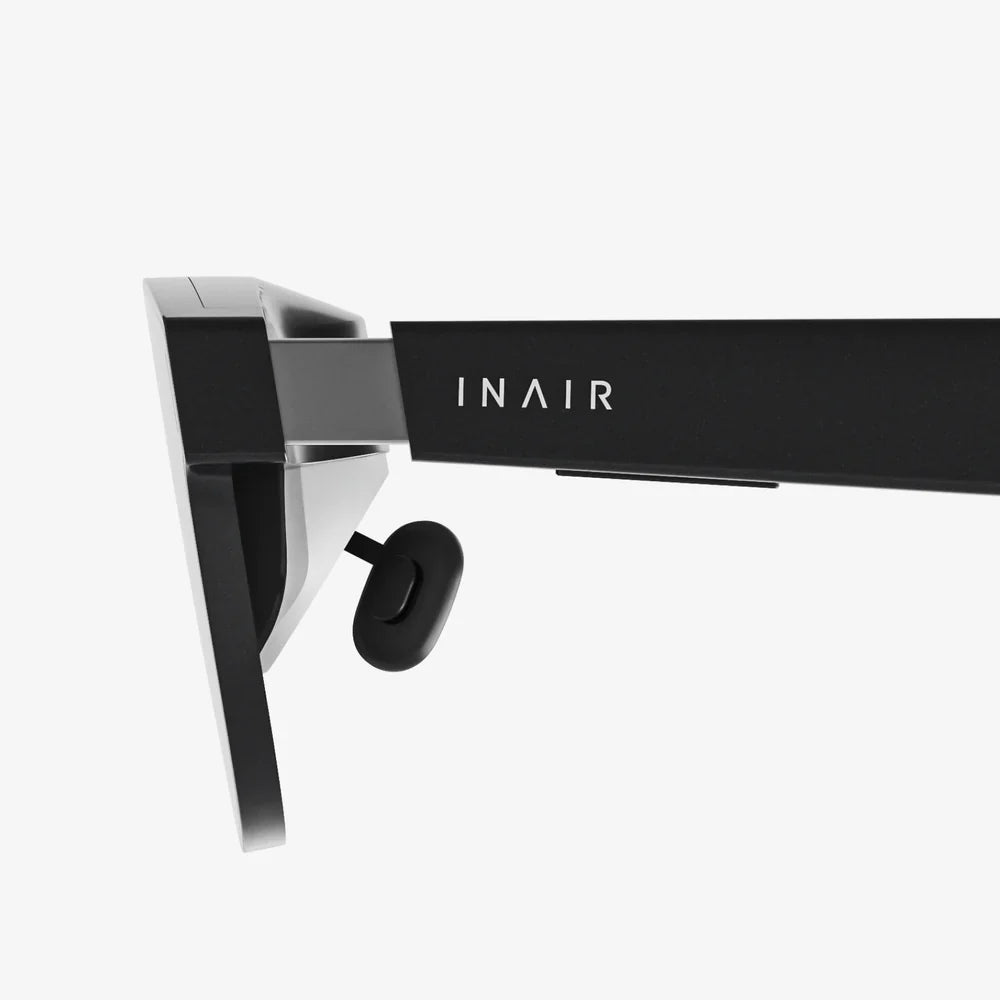
The digital frontier is expanding at a breakneck pace, and at the very edge of this expansion lies a revolution waiting to be strapped to our faces. The conversation around immersive technology has shifted from speculative fiction to hard-nosed financial projections, with the AR VR headset market size by 2030 promising a landscape so transformative it will redefine how we work, play, learn, and connect. This isn't just about gaming anymore; it's about building a new layer of reality, and the numbers are staggering. By the end of this decade, we will be living in a world where the virtual and the physical are seamlessly intertwined, and the market forecasts are the first glimpse into that inevitable future. The journey to 2030 is a story of technological maturation, societal adoption, and economic upheaval.
The Projected Landscape: A Numerical Forecast
When discussing the AR VR headset market size 2030, it's crucial to move beyond a single, monolithic number. The market is a complex ecosystem comprising hardware, software, services, and various sub-segments like standalone vs. tethered headsets, and AR vs. VR. Leading market research firms consistently project a compound annual growth rate (CAGR) ranging from a robust 25% to an astounding 40%+ over the next six years. This trajectory suggests the market is poised to explode from its current multi-billion-dollar valuation to well over a hundred billion dollars by the turn of the decade.
This explosive growth is not happening in a vacuum. It is the direct result of several converging factors that are creating a perfect storm for mass adoption. The foundational technology has moved from clunky, expensive prototypes to sleek, more powerful, and increasingly affordable devices. Furthermore, the development of a rich and diverse software ecosystem is providing compelling reasons for consumers and enterprises to invest in these platforms.
Key Drivers Fueling the Meteoric Rise
The path to achieving the projected AR VR headset market size 2030 is paved with several powerful catalysts. These drivers are systematically dismantling the barriers to entry that have historically plagued the industry.
Technological Advancements and Innovation
The hardware itself is undergoing a radical transformation. We are witnessing rapid improvements in display technology, with resolutions approaching and exceeding retina quality, eliminating the dreaded "screen door effect." Field of view is widening, creating a more immersive and less restrictive experience. Perhaps most importantly, advancements in miniaturization and chipset design are enabling powerful standalone headsets that are untethered from external computers, granting users unprecedented freedom of movement.
Beyond visuals, haptic feedback technology is evolving from simple controller rumble to full-body suits and gloves that can simulate touch, texture, and resistance. Eye-tracking and facial expression tracking are becoming standard features, allowing for more natural and expressive avatars in social environments and providing a new data stream for foveated rendering—a technique that drastically boosts performance by rendering only the area where the user is looking in high detail.
The Pivot to Enterprise and Professional Applications
While consumer entertainment remains a huge driver, the enterprise sector is emerging as the bedrock of sustainable growth. Companies are realizing the immense return on investment that immersive technology offers. Applications are vast and impactful:
- Training and Simulation: From surgeons practicing complex procedures to mechanics learning to repair new equipment, VR provides a risk-free, cost-effective, and highly realistic training environment. The military and aviation industries were early adopters of this technology, and it's now spreading to virtually every skilled profession.
- Remote Assistance and Collaboration: AR headsets allow a remote expert to see what a field technician sees and overlay digital annotations, manuals, and instructions onto the physical world. This "see-what-I-see" functionality drastically reduces downtime, errors, and the need for travel, creating a powerful tool for globalized teams.
- Design and Prototyping: Architects, engineers, and product designers are using VR to walk through and interact with their creations at a 1:1 scale before a single physical resource is expended. This enables rapid iteration and identifies design flaws early in the process, saving millions.
The Unstoppable Force of Mobile AR
It's impossible to discuss the AR VR headset market size 2030 without acknowledging the role of mobile AR. While dedicated headsets will offer the most immersive experiences, the ubiquity of smartphones has already introduced billions of people to basic AR functionality through social media filters, gaming apps, and retail experiences. This serves as a crucial gateway drug, familiarizing the mass market with the concept of overlaying digital content onto the real world and priming them for more advanced dedicated hardware.
Segment Analysis: AR, VR, and the Battle for Dominance
The immersive technology landscape is not a monolith. The dynamics between Augmented Reality (AR) and Virtual Reality (VR) are distinct, and their growth trajectories will differ significantly on the path to 2030.
Virtual Reality: The Power of Full Immersion
VR is characterized by its ability to fully immerse a user in a completely digital environment. Its primary strengths lie in:
- Gaming and Entertainment: This remains the most well-known and lucrative consumer application. The depth of immersion offered by VR is unmatched, creating unparalleled gaming experiences, interactive storytelling, and virtual concerts.
- Training and Simulation: As mentioned, VR's ability to create controlled, repeatable, and safe virtual environments makes it the gold standard for high-stakes training across numerous industries.
The challenge for VR has been the "goggle effect"—the isolation from one's physical surroundings and the social awkwardness of use. However, advancements in passthrough AR technology, where headset cameras feed a live video feed of the real world to the user, are beginning to blur the lines between VR and AR, mitigating this issue.
Augmented Reality: The Future of Everyday Computing
AR, which superimposes digital information onto the user's view of the physical world, is often considered to have even greater long-term potential than VR due to its applicability to all aspects of daily life. Its growth is currently bifurcated:
- Smart Glasses and Waveguides: The holy grail is a pair of stylish, lightweight glasses that can replace the smartphone. The technology to achieve this at a consumer-friendly price point—primarily through advanced waveguide displays—is still maturing but is expected to hit critical mass in the latter half of the 2020s. This form factor will be the true engine for the massive AR VR headset market size 2030 projections.
- Enterprise-Grade AR Headsets: Currently, the most successful AR devices are bulkier, more rugged headsets designed for specific industrial and enterprise tasks. These devices prioritize functionality and durability over form factor and are already proving their value in the field today.
By 2030, the lines between AR and VR will likely be almost entirely erased, with most capable headsets functioning as hybrid devices able to toggle between full virtual immersion and context-aware augmented reality.
Challenges and Hurdles on the Road to 2030
Despite the optimistic projections, the path to realizing the full AR VR headset market size 2030 is not without significant obstacles.
- Content and the Killer App: Hardware is nothing without software. While compelling applications exist, the industry is still searching for the definitive "killer app" that will drive mass consumer adoption in the same way that spreadsheets drove the personal computer. This requires sustained investment from developers and a clear path to monetization.
- User Experience (UX) and Comfort: Issues like motion sickness (cybersickness), device weight, battery life, and intuitive user interfaces remain critical areas for improvement. For all-day use to become a reality, headsets must become as comfortable and easy to use as a pair of eyeglasses.
- Privacy, Security, and Ethical Concerns: AR and VR headsets are arguably the most intimate computing devices ever conceived. They have the potential to collect unprecedented amounts of biometric data (eye movement, gait, emotional response) and environmental data. Establishing robust ethical frameworks and data protection standards is not just a regulatory necessity but a prerequisite for earning public trust.
- The Social Dimension: Wearing a headset is an inherently antisocial act in a physical setting. Normalizing their use in public and developing shared social etiquette for immersive spaces will be a gradual cultural process.
The Ripple Effect: Implications Across Industries
The impact of achieving the projected AR VR headset market size 2030 will reverberate far beyond the technology sector itself. It will act as a disruptive force, creating new winners and losers across the global economy.
- Retail and E-commerce: Virtual try-ons for clothes, glasses, and makeup will become standard. Customers will be able to visualize furniture in their homes or configure a new car in their driveway before purchasing, drastically reducing return rates and increasing consumer confidence.
- Healthcare: Beyond training, AR will assist surgeons with real-time data overlay during operations. VR will be used for pain management, physical therapy, and treating phobias and PTSD through exposure therapy.
- Education: Textbooks will be replaced by interactive 3D models. History students will walk through ancient Rome; biology students will journey through the human bloodstream. This shift from passive learning to experiential learning could revolutionize educational outcomes.
- Remote Work: The concept of the "virtual office" will be transformed. Instead of a grid of faces on a screen, remote teams will meet around a virtual conference table, interacting with 3D models and whiteboards as if they were in the same room, restoring the nuance and spontaneity of in-person collaboration.
The journey to 2030 is not merely about selling more units; it's about the dawn of spatial computing. The staggering figures associated with the AR VR headset market size 2030 represent more than just revenue—they quantify the impending shift from a world of screens to a world of experiences. This is the foundation of the next computing platform, a fundamental rewiring of our interaction with information and with each other. The headsets themselves are merely the key; the vast, uncharted territory they unlock is what will truly define the next decade and beyond. The question is no longer if this future will arrive, but how quickly we can adapt to the boundless opportunities it presents.
Share:
Augmented Reality Technology Cost: A Comprehensive Breakdown of Investment and Value
Augmented Reality Technology Cost: A Comprehensive Breakdown of Investment and Value