


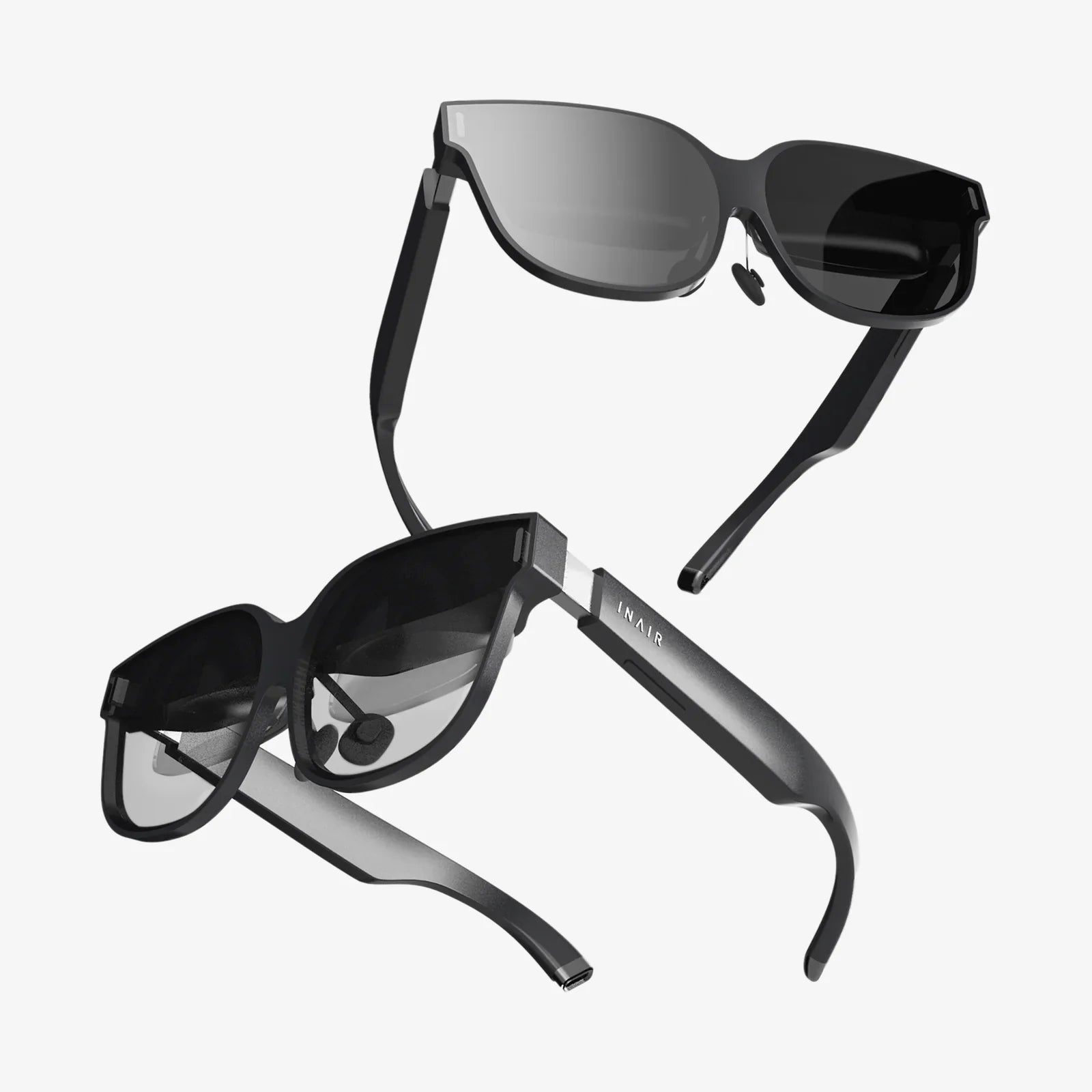
You've just unboxed the future—a sleek, sophisticated AR/VR headset promising to transport you to new worlds and augment your own. The anticipation is electric. You place it on your head, power it on, and are met not with a gateway to another dimension, but with a single, persistent prompt: 'Connection Required.' This isn't a flaw; it's the fundamental reality of modern immersive technology. The true magic doesn't reside in the headset alone; it flows through the invisible streams of data that connect it to a vast digital ecosystem. The requirement for a connection is the silent, non-negotiable pact between the device in your hands and the boundless experiences it can deliver.
The Invisible Umbilical Cord: Why Connectivity is Non-Negotiable
At its core, an AR/VR headset is a sophisticated window. But a window is useless without a world to look into. The demand for a connection serves as this device's umbilical cord to the digital universe, and the reasons are multifaceted and compelling.
First, consider the sheer computational burden of rendering high-fidelity, immersive environments. Generating two distinct, high-resolution images at a blistering refresh rate (often 90Hz or higher) to create a convincing stereoscopic 3D effect is a task that can bring even powerful computers to their knees. By offloading this intense processing to an external source—be it a nearby computer or a remote cloud server—the headset itself can remain lighter, more energy-efficient, and less expensive. The connection, in this case, is a high-bandwidth pipeline for rendered pixels, streaming the visual experience to your eyes in real-time.
Second, and crucially for Augmented Reality, is the need for real-time data integration. AR is not about escaping reality but enhancing it. To do this effectively, the headset must understand the world around you and then overlay relevant digital information. This requires a constant stream of live data: fetching the latest navigation instructions, pulling up a product's reviews as you look at it in a store, translating a street sign instantaneously, or displaying a colleague's avatar in a collaborative workspace. This dynamic layer of information is not stored on the device; it is live, always updating, and utterly dependent on a persistent internet connection.
Wired vs. Wireless: The Great Tethering Debate
The method of connection itself is a major differentiator in the user experience, presenting a classic trade-off between performance and freedom.
The Wired Tether: A Legacy of Power
For years, the primary method of connecting a VR headset was via a physical cable, typically to a powerful personal computer. This wired tether provides an unparalleled advantage: maximum bandwidth and minimal latency. A high-speed cable can deliver vast amounts of data with virtually no delay, which is critical for maintaining immersion and preventing the motion sickness that can occur when there's a lag between your head movements and the visual response. For experiences that demand the highest graphical fidelity—complex simulations, detailed video games, and professional design applications—a wired connection remains the gold standard. The downside, of course, is the physical restriction. Users must be mindful of the cable, which can limit movement and present a tripping hazard, constantly reminding them of the 'real' world.
The Wireless Leap: Cutting the Cord
The dream of untethered immersion has driven the development of robust wireless solutions. Technologies like Wi-Fi 6 and 6E have been game-changers, offering sufficient bandwidth and low enough latency to support high-quality VR and AR streaming within a local network. This setup often involves a dedicated wireless transmitter connected to a host PC, creating a private, high-speed data link to the headset.
Wireless connectivity grants users a profound sense of liberty and presence. The ability to physically turn, crouch, and move around a playspace without entanglement is a transformative experience that significantly enhances immersion. For AR, which is inherently mobile, being wireless is almost a prerequisite for interacting with the real world naturally. The trade-off comes in the form of potential signal interference, slightly higher latency, and the need to manage the headset's internal battery life.
Cloud Power and the Social Pulse
Beyond local connections, the internet itself becomes the lifeblood for a category of experiences. Cloud-based processing is an emerging paradigm where the most demanding rendering tasks are handled by powerful remote servers in data centers. The headset then receives a compressed video stream of the result. This model, akin to game streaming services, promises to make high-end immersive experiences accessible on more affordable, less powerful hardware, as the heavy lifting is done in the cloud.
Furthermore, connectivity is the very foundation of the social dimension of AR and VR. Multiplayer games, virtual meetings, collaborative design sessions, and live virtual events all rely on a stable internet connection to synchronize the state of the virtual world for all participants. Your avatar's movements, voice, and interactions must be transmitted to others in real-time. This social layer transforms these platforms from isolated experiences into shared digital spaces, the early foundations of a concept often called the metaverse. Without a connection, the virtual world is a lonely place.
The Challenges on the Data Highway
Mandatory connectivity is not without its significant challenges. The user experience is only as good as the connection itself, and several hurdles remain.
- Latency: This is the enemy of immersion. Latency is the delay between an action (like turning your head) and the corresponding visual update on the screen. Even a delay of a few milliseconds can break presence and cause discomfort. High-speed, low-latency connections are essential.
- Bandwidth: Streaming complex, dynamic visuals requires a huge amount of data. Insufficient bandwidth leads to compression artifacts, a drop in resolution, or stuttering, all of which degrade the experience.
- Network Reliability and Coverage: For mobile AR experiences, especially those used outdoors, consistent 5G or Wi-Fi coverage is vital. Dropped connections can abruptly end an experience or make an application useless. This also raises questions about data privacy and security, as these devices constantly transmit and receive sensitive data about your environment and actions.
The Future: Towards Seamless and Intelligent Connections
The evolution of the 'connection required' paradigm is moving towards making it increasingly seamless and powerful. The rollout of 5G and future 6G networks promises the high bandwidth and ultra-low latency needed for robust cloud-based AR/VR on the go, effectively putting a supercomputer in your pocket. Advances in edge computing will process data closer to the user, reducing latency for critical applications.
We are also moving towards more sophisticated on-device processing. While a connection will remain essential, future headsets will use powerful onboard AI chips to handle more tasks locally—like understanding the environment through simultaneous localization and mapping (SLAM)—only calling upon the cloud for specific data or immense rendering tasks. This hybrid approach will create more resilient and responsive experiences.
Ultimately, the requirement for a connection will fade into the background, much like it has for smartphones. It will become an assumed, always-available utility that empowers the device without drawing attention to itself. The technology will become so intuitive that we will interact with the blended realities of AR and VR without a second thought to the complex data symphony happening around us.
So the next time you see that 'Connection Required' message, don't see it as a barrier. See it as an invitation. It is the key that unlocks the door, the conduit through which imagination becomes experience, and the essential thread that weaves the digital deeply into the fabric of our physical lives. The greatest adventures, both virtual and augmented, are waiting on the other side of that link.
Share:
Interactive Touchboard: The Future of Collaboration and Engagement
Cons of Using Wearable Technology: The Hidden Costs of a Connected Life