


Imagine a world where the digital and physical seamlessly intertwine, where surgeons practice complex procedures on holographic patients, where factory floors are overlaid with real-time performance data, and where your living room transforms into a concert hall or a battlefield with the flick of a switch. This is no longer the stuff of science fiction; it is the imminent future being built today, and the numbers behind its emergence are nothing short of staggering. The projections for the Augmented Reality (AR) and Virtual Reality (VR) markets paint a picture of a technological revolution that will fundamentally reshape how we work, play, learn, and connect.
The Foundation: Understanding the Distinction and the Convergence
Before delving into the numbers, it's crucial to distinguish between the two core technologies driving this market. Virtual Reality (VR) is an immersive, computer-generated simulation that completely replaces the user's environment, typically experienced through a headset. It transports the user to a fully digital world, disconnecting them from their physical surroundings. Augmented Reality (AR), on the other hand, layers digital information—images, data, 3D models—onto the user's view of the real world. It enhances reality rather than replacing it, often through smart glasses, smartphones, or heads-up displays.
Market projections often treat AR and VR as a combined sector, frequently referred to as spatial computing or immersive technology, due to their overlapping technologies and eventual convergence. However, their growth trajectories and primary use cases differ significantly, a nuance critical to understanding the overall market forecast.
The Numbers: A Market Poised for Exponential Growth
The consensus among leading market research firms is one of explosive expansion. While figures vary slightly between analysts, the overarching narrative is clear: the AR and VR market is on a path from a multi-billion-dollar industry to a multi-trillion-dollar behemoth within the next decade.
Current estimates place the global market value in the tens of billions, a figure that is expected to compound at an annual growth rate (CAGR) well above 30% and potentially exceeding 40% for certain segments through the late 2020s and into the 2030s. This growth trajectory suggests the market could surpass the half-trillion-dollar mark before 2030 and is projected to reach well into the trillions by 2035. This growth is not a singular event but a sustained climb driven by a confluence of powerful factors.
The Engines of Growth: Key Drivers Fueling the Projections
Such ambitious projections are not made in a vacuum. They are underpinned by several tangible and powerful drivers that are actively accelerating adoption across the globe.
Technological Advancements and Cost Reduction
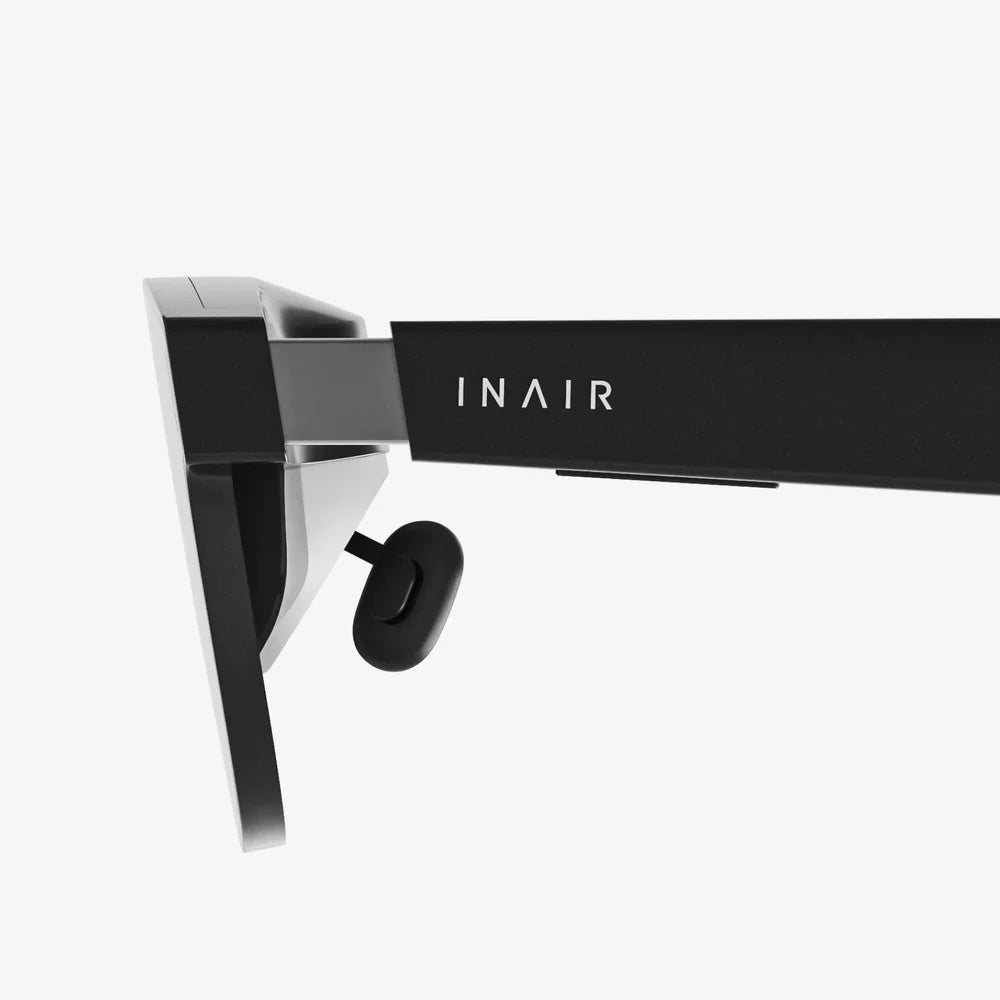
The hardware is becoming better, cheaper, and more accessible. Early VR headsets were cumbersome, expensive, and tethered to powerful computers. Today, standalone headsets offer high-resolution displays, inside-out tracking, and impressive processing power at a fraction of the cost. For AR, the development of lighter, more socially acceptable smart glasses with all-day battery life is a critical hurdle being rapidly overcome. Furthermore, improvements in key enabling technologies like 5G connectivity (for low-latency cloud streaming), photorealistic graphics rendering, and advanced haptic feedback are removing previous barriers to immersion and utility.
The Enterprise Adoption Boom
While consumer gaming gets much of the media attention, the enterprise sector is arguably the most significant and immediate growth driver. Businesses are deploying AR and VR solutions to solve real-world problems and achieve a substantial return on investment (ROI).
- Training and Simulation: Companies are using VR to train employees in high-risk or high-cost scenarios—from pilots and surgeons to warehouse operators and retail staff—without the associated dangers or expenses. AR is being used for on-the-job guidance, overlaying assembly instructions or safety procedures directly onto machinery.
- Design and Prototyping: Automotive, aerospace, and architecture firms use VR for collaborative design reviews, allowing engineers to interact with life-size 3D models before a single physical prototype is built.
- Remote Assistance and Field Services: A field technician wearing AR glasses can receive real-time visual guidance from an expert thousands of miles away, who can annotate the technician's field of view to solve complex problems, reducing downtime and travel costs.
The Metaverse Vision
The concept of the metaverse—a persistent network of shared, interoperable 3D virtual spaces—has become a major catalyst for investment and development. While its full realization is likely years away, the race to build its foundational platforms is funneling billions of dollars into VR and AR technologies. This long-term vision is convincing investors and corporations alike that immersive technology is the next major computing platform, following the mainframe, personal computer, and smartphone.
The Consumer Ecosystem Matures
On the consumer side, the ecosystem is steadily maturing. Beyond gaming, which remains a powerhouse, new applications are gaining traction. Social VR platforms allow users to meet, attend events, and play games together in shared virtual spaces. Fitness applications are using VR to make exercise more engaging. AR experiences on smartphones, through social media filters and navigation aids, have already introduced billions of people to the basic principles of augmented reality, creating a massive onboarding funnel for more advanced hardware in the future.
Segmenting the Future: AR vs. VR Projections
While the combined market is growing, most analysts project that Augmented Reality will ultimately represent the larger share of the market in the long term. This is due to its broader applicability across professional and daily life. AR doesn't require users to disconnect from their environment, making it suitable for a continuous, all-day computing experience. The market for AR smart glasses is projected to skyrocket as the technology becomes more consumer-ready, potentially replacing the smartphone as our primary connected device.
VR, meanwhile, is expected to dominate in sectors where full immersion is the goal, such as gaming, high-fidelity simulation, and dedicated social experiences. Its market will be substantial but more niche compared to the pervasive potential of AR.
Navigating the Headwinds: Challenges to the Projections
Despite the overwhelmingly positive projections, the path forward is not without significant obstacles. The market's growth is contingent on overcoming these challenges.
Hardware Limitations and Design
For AR, the holy grail remains a pair of glasses that are as lightweight, stylish, and affordable as a typical pair of eyeglasses but with the computing power of a high-end smartphone. We are not there yet. Issues of battery life, field of view, and display brightness in all lighting conditions remain active areas of development. For VR, overcoming the discomfort of "simulator sickness" for some users and making headsets even more comfortable for extended wear are ongoing priorities.
Content and The Killer App
Hardware is useless without compelling software. While there are many successful enterprise applications and popular games, the search for the true "killer app"—the application that will drive mass consumer adoption for AR glasses—continues. The ecosystem needs a continuous pipeline of high-quality, engaging content to keep users coming back.
Privacy, Security, and Ethical Concerns
Always-on AR glasses with cameras and sensors raise profound questions about privacy, data security, and social etiquette. The amount of biometric and environmental data these devices could collect is unprecedented. Establishing clear ethical guidelines, robust data protection frameworks, and social norms will be essential for widespread public acceptance.
Digital Divide and Accessibility
There is a risk that these immersive technologies could exacerbate the digital divide. High-cost hardware and the need for reliable, high-speed internet could limit access to affluent individuals and corporations, leaving others behind. Ensuring the technology is accessible and affordable across different socioeconomic groups is a crucial challenge.
Regional Analysis: A Global Landscape of Opportunity
The adoption of AR and VR is a global phenomenon, but its pace varies by region. North America and Asia Pacific are expected to be the dominant markets, driven by strong technological infrastructure, high concentrations of tech companies, and significant investment in R&D. China, in particular, is making massive public and private investments in VR and AR, with a strong focus on industrial and commercial applications. Europe is also a significant player, with strengths in automotive and industrial manufacturing where enterprise-use cases thrive.
The staggering projections for the AR and VR markets are more than just optimistic forecasts; they are a roadmap to a fundamental shift in human-computer interaction. This isn't merely about better video games or novel marketing gimmicks; it's about augmenting human capability in every field imaginable. The hurdles are real, from designing perfect hardware to navigating ethical quandaries, but the momentum is undeniable. The next computing revolution is not on the horizon; it's already being built in research labs, on factory floors, and in living rooms around the world. The question is no longer if this future will arrive, but how quickly you will choose to step into it.
Share:
3 Types of Wearable Technology Revolutionizing Our Daily Lives and Health
How Can Designers Prototype Tangible Interactions with AR VR: A Complete Guide to Bridging the Digital and Physical