


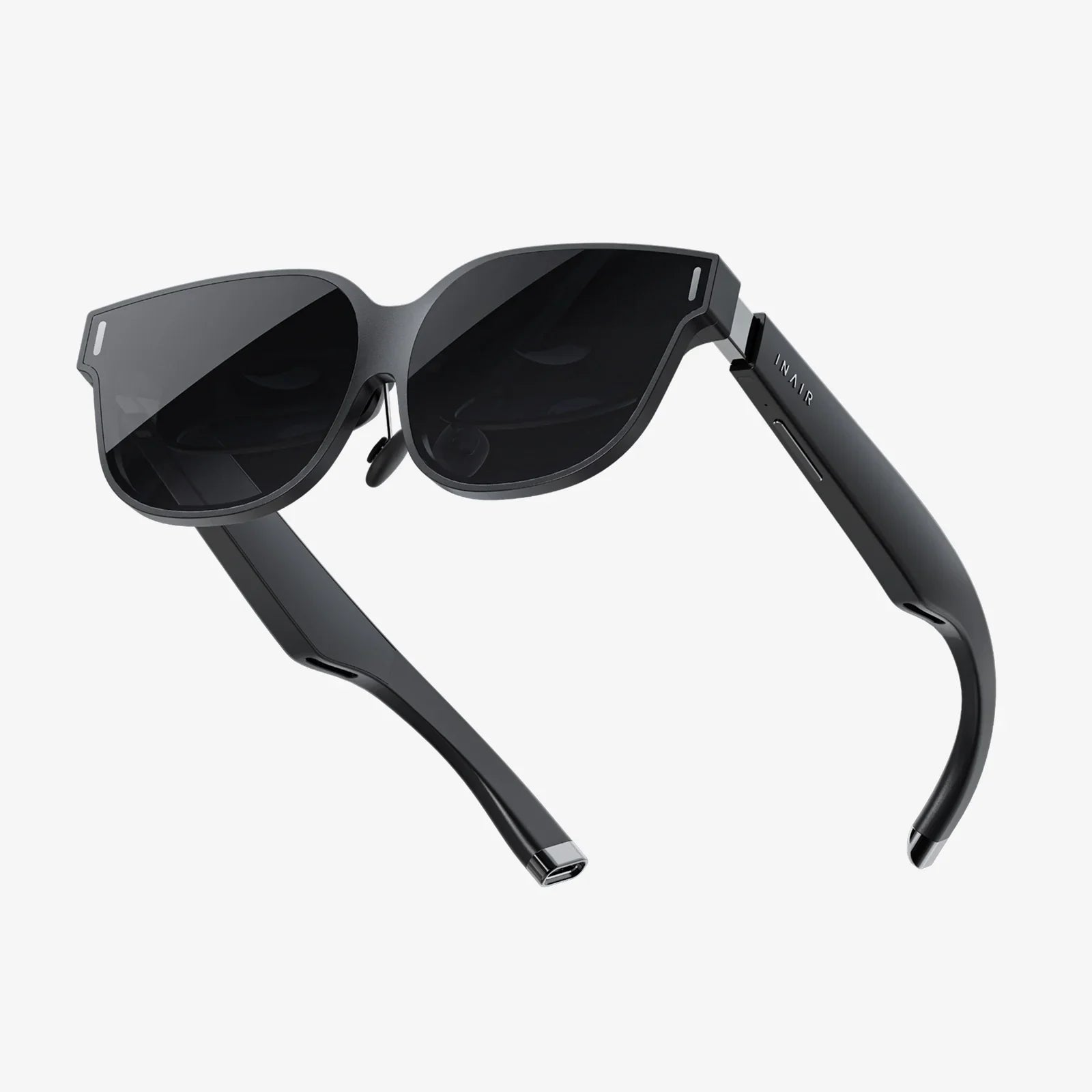
Imagine a world where your morning run is transformed into a treasure hunt for digital coupons, your living room becomes a virtual showroom for a new car, and a simple glance at a restaurant through your smart glasses reveals a floating, personalized menu and a reservation prompt. This isn't a distant sci-fi fantasy; it's the rapidly approaching reality of AR VR marketing in 2025. The convergence of these immersive technologies is poised to dismantle traditional advertising models, creating a new paradigm where experience isn't just king—it's the entire kingdom. For marketers and consumers alike, the next frontier of connection is being built not on screens, but in the spaces between the digital and physical worlds.
The Convergence of Realities: From Novelty to Necessity
The year 2025 represents a critical inflection point where AR and VR will cease to be isolated, niche technologies. Instead, they will converge into a spectrum of immersive experiences, often referred to as XR (Extended Reality). The driving force behind this is the maturation of hardware. By 2025, we anticipate the widespread adoption of lightweight, stylish AR glasses that overlay digital information seamlessly onto the real world, moving beyond the current smartphone-based AR. Simultaneously, VR headsets will become more compact, powerful, and affordable, making high-fidelity virtual experiences accessible to a mainstream audience. This hardware evolution will dissolve the barriers to entry, transforming immersive tech from a cool gimmick into an integrated part of the daily consumer journey.
The Death of the Banner Ad: The Rise of Experiential Commerce
Traditional interruptive advertising is on borrowed time. Consumers, particularly younger demographics, have developed sophisticated ad-blindness and a deep aversion to being sold to. AR VR marketing in 2025 will champion the opposite: value-driven, experiential commerce. Imagine a furniture brand. Instead of scrolling through static images on a website, a consumer can use AR to project true-to-scale 3D models of a sofa into their actual living room, walk around it, change the fabric color with a gesture, and even see how it looks in different lighting at various times of the day. This is not just viewing a product; it is experiencing it, drastically reducing purchase hesitation and product return rates. This shift from a 2D storefront to a 3D experience will redefine e-commerce, making it more intuitive, confident, and engaging.
Hyper-Personalization and Contextual Relevance
By 2025, data analytics and artificial intelligence will be the silent engines powering AR VR marketing campaigns. The true power of an AR experience lies in its ability to be context-aware and hyper-personalized. Your smart glasses will understand your location, the time of day, your past purchase history, and even your current emotional state (with permission). Walking past a coffee shop could trigger an AR overlay offering a discount on your favorite latte. A virtual try-on session for sunglasses could recommend styles based on your face shape and past preferences. This level of personalization moves beyond mere demographic targeting to create marketing that feels less like an ad and more like a thoughtful, helpful suggestion from a trusted friend. It’s marketing that serves the individual in their specific moment of need.
Building Emotional Connections Through Shared Virtual Experiences
While AR excels at enhancing the physical world, VR's superpower is transportation. It can build profound emotional connections by creating shared experiences that are impossible in the real world. Marketing in 2025 will leverage this for brand storytelling on an unprecedented scale. A travel company won't just show you a video of a safari; it will transport you and a group of friends into a shared VR experience, standing virtually in the Serengeti as a herd of elephants walks by. A non-profit organization could create an immersive VR documentary that allows donors to truly empathize with the cause they are supporting. These experiences forge powerful, memorable bonds between the consumer and the brand, built on emotion and shared wonder rather than a simple value proposition.
The New Social Frontier: Virtual Spaces and Avatars
Social media will evolve from feeds and profiles to persistent virtual spaces. By 2025, brands will have a presence in these digital metaverses, not as a page to be liked, but as a destination to be visited. Consumers will socialize using personalized avatars, attending virtual product launches, concerts, and art exhibitions hosted by brands. A sneaker company could release a limited-edition digital wearable for avatars, creating a new revenue stream and a status symbol within these virtual communities. This represents a fundamental shift from social media marketing to social experience marketing, where engagement is measured in time spent and interactions within a branded space, not just in clicks and shares.
Navigating the Challenges: Privacy, Accessibility, and Strategy
The path to AR VR marketing dominance in 2025 is not without significant hurdles. The collection of vast amounts of visual and contextual data raises serious privacy concerns. The most successful brands will be those that build their strategies on a foundation of radical transparency and explicit user consent, turning privacy into a competitive advantage. Furthermore, the industry must proactively address issues of digital accessibility and the potential for a digital divide, ensuring immersive experiences are designed for all. Finally, the skills gap presents a challenge; marketers will need to become experience designers, 3D artists, and spatial storytellers, requiring a massive shift in talent acquisition and training.
Preparing for the Immersive Wave: A Blueprint for Marketers
For organizations looking to lead in 2025, the time to experiment is now. The foundational steps are crucial. First, invest in building internal expertise. Partner with XR developers and agencies to understand the capabilities and limitations of the technology. Second, start small with pilot programs. A simple AR filter for a social media campaign or a 360-degree virtual tour of a physical location can provide valuable insights without a massive budget. Third, and most importantly, begin thinking in 3D. Audit your existing marketing assets—products, logos, environments—and start the process of creating high-quality 3D digital twins. The brands that will win in 2025 are those that are building their immersive asset libraries today.
The screen-based digital age is giving way to a spatial one. By 2025, the most forward-thinking brands will have moved their marketing strategies from the flatland of the smartphone into the rich, volumetric world of AR and VR. They will be the ones building emotional palaces instead of billboards, offering helpful digital guides instead of pop-up ads, and creating communities instead of customer lists. The question for every marketer is no longer if this future will arrive, but how quickly they can adapt to meet it. The consumers of 2025 won't just want to see your product; they'll want to step inside it, share it with friends, and make it a part of their world. The only limit will be the creativity of the experience you design.
Share:
Difference Between AR Glasses and AI Glasses: A Comprehensive Guide to Our Augmented Future
Top 5 AI Glasses: The Future on Your Face is Here