


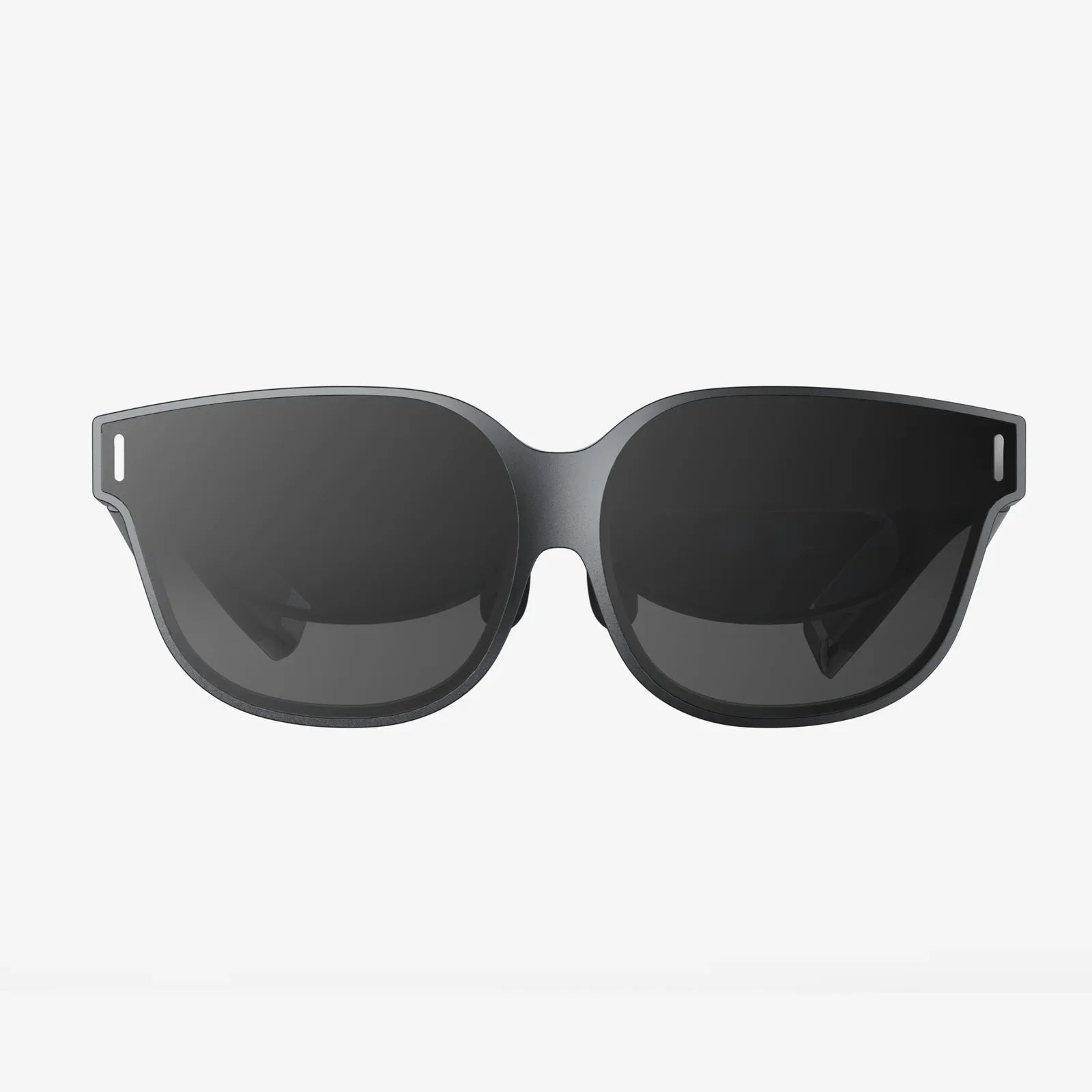
- by wangfred
AR VR Projected vs Actual Market: Navigating the Chasm Between Hype and Reality
- by wangfred
The promise was nothing short of revolutionary: a world seamlessly blended with digital information and entirely new realities to explore. Headlines for years touted Augmented Reality (AR) and Virtual Reality (VR) as the next great technological paradigm shift, with market forecasts painting a picture of explosive, near-vertical growth. Yet, for many consumers and even industries, the widespread, ubiquitous adoption predicted by analysts a decade ago has felt perpetually just over the horizon. The story of the AR and VR market is not one of failure, but rather a complex and fascinating tale of over-enthusiastic projection colliding with the gritty realities of technological development, market readiness, and human behavior. This is the critical exploration of the chasm between the projected and actual market landscapes for AR and VR.
In the mid-2010s, following several key technological demonstrations and the entrance of major tech players into the space, analyst firms began releasing staggering market forecasts. The narrative was overwhelmingly optimistic. Projections often suggested that the combined AR and VR market would soar into the hundreds of billions of dollars by the early 2020s. These figures were not pulled from thin air; they were built on a foundation of seemingly solid logic.
Several key factors fueled these bullish projections:
As the years progressed, it became clear that the actual market growth was on a different, far more gradual trajectory. While the markets have grown significantly from zero, they have consistently fallen short of the most ambitious forecasts. The actual market landscape revealed a different set of truths.
The mass consumer market proved to be the most challenging frontier. Several critical barriers emerged:
If the consumer market was the disappointing headline, the enterprise sector became the steady, reliable body of the story. While perhaps less glamorous, B2B applications have consistently driven tangible value and sustainable growth. Enterprises were less sensitive to hardware cost and more focused on ROI. Applications like:
These use cases provided a clear business justification for investment, creating a stable and growing market segment that was often underestimated in early consumer-centric forecasts.
The disparity between projected and actual markets can be attributed to a fundamental underestimation of certain challenges and an overestimation of the speed of innovation and adoption.
Creating a seamless, comfortable, and powerful AR/VR experience is a profoundly difficult engineering challenge. It requires harmonizing cutting-edge displays, optics, processors, sensors, and batteries. Solving problems like vergence-accommodation conflict (where your eyes struggle to focus in VR) or creating photorealistic passthrough AR took much longer than initially hoped. The "good enough" threshold for mass consumers is incredibly high, especially when competing with established, flat-screen interfaces.
A vibrant software ecosystem requires a large hardware install base to be profitable. Conversely, consumers need a rich library of content to justify purchasing hardware. This classic cycle is difficult to break. Early content developers faced a small and fragmented market, making it hard to secure funding for large-scale projects. This slowed the creation of the very experiences that would drive hardware sales.
Early projections often conflated different technologies. Some forecasts included revenue from smartphone-based AR experiences (like popular filters), which saw viral growth but generated revenue in very different ways (advertising, app features) than hardware sales or premium software. This blending of categories sometimes inflated the perceived growth of immersive headset-based markets.
The technology industry is prone to cycles of intense hype, followed by a period of disillusionment when expectations are not immediately met. AR and VR rode a massive peak of inflated expectations in the mid-2010s. The subsequent "trough of disillusionment" was deeper and longer than many forecasts accounted for, as early excitement waned and the market entered a necessary phase of quieter, more pragmatic development.
Today, the AR and VR market is not the failed experiment some critics claim, nor is it the overnight world-changing revolution once projected. It is a market in a process of maturation and recalibration.
Recent developments suggest the market is finding its footing:
Modern market analyses are typically more conservative and segmented. They distinguish between VR, AR, consumer, enterprise, hardware, software, and services. They acknowledge that adoption will be gradual, driven by specific use cases rather than a singular, explosive event. The focus has shifted from "if" to "when and how," with an understanding that the timeline for true ubiquity is measured in decades, not years.
The journey of AR and VR serves as a masterclass in technological adoption. It reminds us that transforming reality is hard, that consumers are discerning, and that the most valuable applications are often those that solve practical problems rather than merely offering escapism. The initial projections were not wrong in their ultimate vision but were wildly optimistic about the timeline. The actual market, though smaller than once dreamed, is now building a sustainable foundation—one innovative enterprise solution, one captivating game, and one hardware iteration at a time. The revolution is still coming, but it’s taking the scenic route, and its eventual arrival will be all the more significant for the lessons learned along the way.
Share:
Artificial Intelligence AI Devices Are Reshaping Our Daily Lives and Future
Is It AI? The Philosophical and Practical Guide to Identifying Artificial Intelligence