


- by wangfred
AR VR Singapore: A Nation's Bold Leap Into The Immersive Future
- by wangfred
Imagine strolling through the vibrant streets of Singapore, but with a digital layer superimposed on reality—historical figures reenacting events where they happened, directions floating seamlessly on the pavement, or a mythical creature peeking from behind a futuristic skyscraper. This is no longer the stuff of science fiction; it is the burgeoning reality of AR VR Singapore, a dynamic fusion of cutting-edge technology and a nation's unwavering ambition to lead the next digital revolution. From its world-class universities to its bustling startup incubators and forward-thinking government initiatives, the Lion City is not just adopting immersive technologies; it is actively architecting a future where the digital and physical worlds converge to redefine every aspect of life.
The story of AR VR in Singapore is inextricably linked to a top-down vision of a Smart Nation. Unlike organic tech hubs that grow from garage startups alone, Singapore's ecosystem benefits from meticulous planning and significant public investment. The government has positioned immersive media as a critical frontier in its digital economy strategy, recognizing its potential to drive innovation across sectors.
Central to this effort is the Infocomm Media Development Authority (IMDA), which has launched several pivotal programs. The PIXEL Innovation Hub stands as a physical testament to this commitment, offering AR/VR startups and professionals access to state-of-the-art equipment, prototyping labs, and mentorship programs. This initiative lowers the barrier to entry, allowing creators to experiment with high-end hardware and software that would otherwise be prohibitively expensive.
Furthermore, initiatives like the Innovation Calls under the SG Digital Grant provide crucial funding for companies to develop and trial new immersive solutions. This "testbed" approach is a hallmark of Singapore's strategy. The nation's compact size and highly connected infrastructure make it an ideal living laboratory. Companies are encouraged to pilot their AR and VR applications in real-world settings, from public transport hubs to retail stores and hospitals, accelerating the journey from concept to viable product.
This supportive regulatory and financial landscape has sent a clear signal to the global tech community: Singapore is open for business in the immersive space, creating a powerful magnet for talent, investment, and collaboration.
While consumer applications often capture the public imagination, the most profound impact of AR VR in Singapore is occurring within the enterprise sector. Businesses are leveraging these technologies to solve real-world problems, enhance efficiency, and create new value propositions.
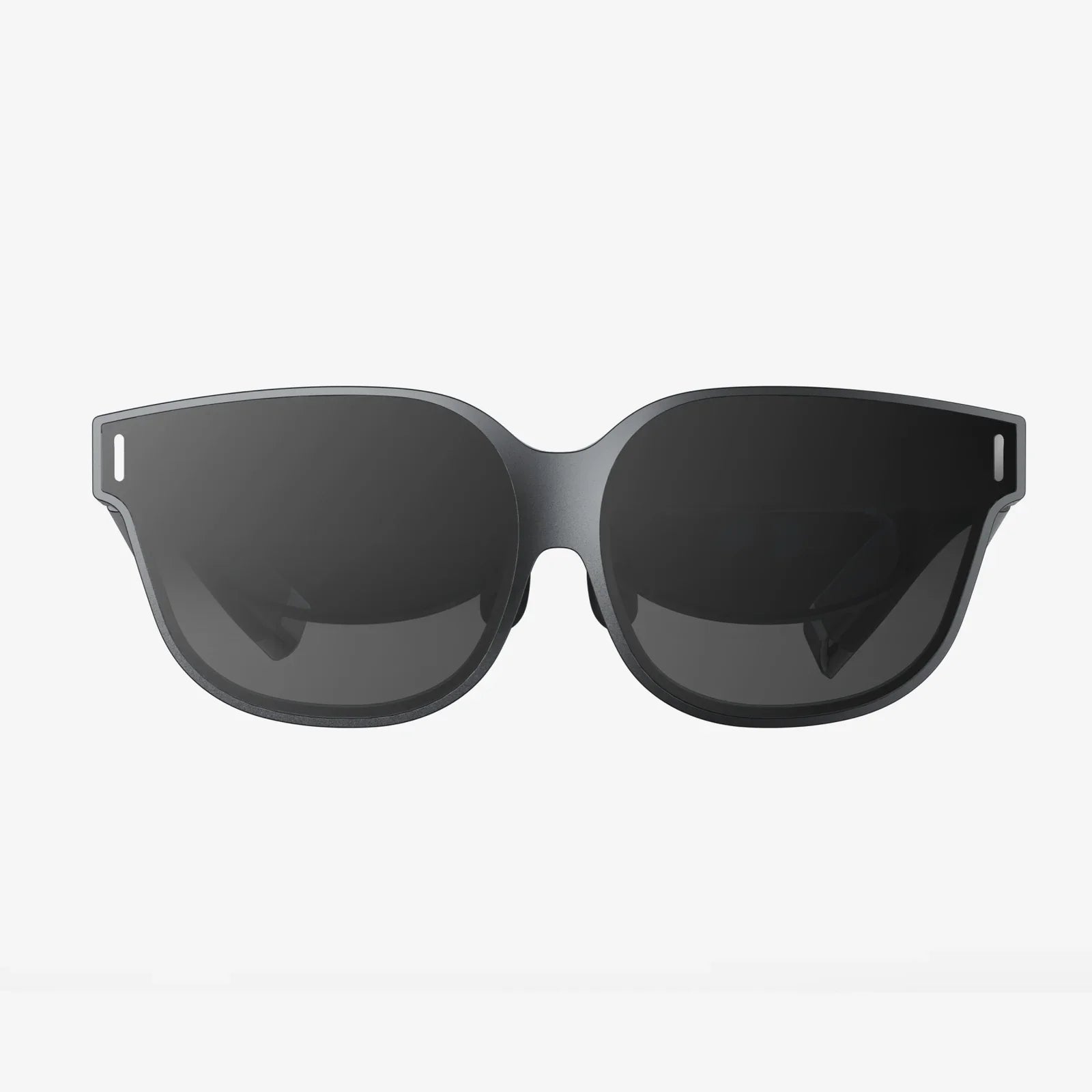
In high-stakes industries like aerospace, electronics, and advanced manufacturing, AR is revolutionizing complex assembly and maintenance procedures. Technicians wearing smart glasses can see digital overlays of wiring diagrams, torque specifications, and step-by-step instructions directly onto the physical machinery they are repairing. This hands-free access to information reduces errors, slashes training time for new hires, and improves overall safety. Singaporean companies are developing solutions that allow experts located anywhere in the world to see what a local technician sees and provide remote guidance through AR annotations, effectively democratizing expertise.
The retail sector has been transformed by AR, especially in the post-pandemic era. Customers can now use their smartphones to visualize how furniture would look in their living room, try on watches or makeup virtually, or see interactive information about a product by simply pointing their camera at it. This "try before you buy" experience enhances consumer confidence and reduces return rates.
In real estate, VR has become an indispensable tool. Property developers in Singapore create fully immersive virtual tours of show flats, allowing potential buyers from around the globe to walk through unbuilt properties. This not only saves time and resources but also enables marketing to begin long before the physical construction is complete, a significant advantage in a fast-paced market.
Warehouse operations are being supercharged by AR. Pickers equipped with AR glasses can navigate massive fulfillment centers with optimal routes displayed in their field of vision. The technology can highlight the exact shelf and bin location of an item, verify its identity, and confirm the quantity, dramatically increasing picking accuracy and speed. For a trade-dependent nation like Singapore, optimizing logistics is a national priority, and AR is at the forefront of this effort.
One of the most powerful applications of VR is in the realm of training and education. It provides a safe, controlled, and repeatable environment to practice complex or dangerous tasks.
Medical schools and hospitals in Singapore are pioneering the use of VR for surgical training. Trainee surgeons can practice intricate procedures on virtual patients, gaining valuable muscle memory and procedural knowledge without any risk. AR is used during actual surgeries to project critical patient data, such as heart rate or 3D scans of tumors, directly into the surgeon's line of sight, minimizing the need to look away at monitors.
Beyond surgery, VR is used for therapeutic purposes, such as treating phobias, anxiety, and post-traumatic stress disorder (PTSD) through controlled exposure therapy. It is also employed for empathy training, allowing medical students to experience the visual and auditory hallucinations of a patient with dementia, fostering a deeper understanding and better patient care.
Major corporations are using VR to train employees in soft skills like public speaking, leadership, and difficult conversations. Employees can be placed in a virtual boardroom and practice delivering a presentation to a room full of avatars, receiving feedback on their tone, pace, and body language. This provides a level of immersion and practice that is impossible to achieve through traditional role-playing, building confidence and competence in a low-stakes environment.
Singapore's reputation as a meticulously planned city-state makes it the perfect candidate for using AR and VR in urban design. Urban planners and architects are using VR to immerse stakeholders and citizens into proposed building designs or urban renewal projects long before a single foundation is poured. This allows for better feedback on the scale, aesthetics, and functionality of a space, ensuring that developments truly meet the needs of the community.
AR takes this a step further by bringing these digital models into the real world. Using a tablet or AR glasses, planners can superimpose a proposed new building onto an empty plot of land, allowing them to study its impact on sunlight, wind flow, and sightlines in real-time. This fusion of the digital and physical enables a more iterative, responsive, and citizen-centric approach to building the city of the future.
None of this innovation would be possible without a steady pipeline of talent. Singapore's institutes of higher learning, such as Nanyang Technological University (NTU), the National University of Singapore (NUS), and the Singapore University of Technology and Design (SUTD), offer specialized courses and research programs in interactive digital media, computer graphics, and human-computer interaction.
These institutions are not just teaching students how to use existing tools; they are pushing the boundaries of the technology itself. Research focuses on areas like haptic feedback (the sense of touch in VR), photorealistic rendering, brain-computer interfaces, and reducing motion sickness, ensuring that Singapore remains at the cutting edge of immersive tech development.
This academic excellence feeds a vibrant community of meetups, conferences, and hackathons. Events like the annual Singapore Week of Innovation and Technology (SWITCH) often feature strong AR/VR tracks, connecting startups with investors, corporates, and international partners. This thriving community fosters a culture of collaboration and knowledge-sharing that is essential for sustained growth.
Despite its impressive progress, the AR VR landscape in Singapore is not without its challenges. The cost of high-end hardware remains a barrier to mass adoption. Issues of user privacy, data security, and the potential for digital addiction need to be carefully addressed through thoughtful regulation and public discourse. Furthermore, creating truly compelling and useful content requires a multidisciplinary blend of technical, artistic, and narrative skills that are still rare.
However, the future is undoubtedly immersive. The convergence of AR VR with other transformative technologies like 5G, artificial intelligence, and the Internet of Things (IoT) will unlock new possibilities we can only begin to imagine. 5G's ultra-low latency and high bandwidth will enable complex AR experiences and cloud-rendered VR to be streamed seamlessly to lightweight devices, untethering users from powerful computers.
Singapore is poised to not just adapt to this future, but to help create it. Its unique combination of government support, world-class research, a robust enterprise sector, and a culture of innovation provides a powerful foundation. The journey of AR VR Singapore is a blueprint for how a nation can strategically embrace a disruptive technology and harness it to improve lives, empower businesses, and reimagine its very identity.
The digital layer is settling over the Lion City, not as a distraction from reality, but as an enhancement of it. This is not a distant promise; it's a transformation happening now, in labs, offices, hospitals, and streets across the nation, inviting everyone to look at their world through a new, awe-inspiring lens. The question is no longer if you will engage with this immersive future, but how deeply you will let it change your life and work.