


- by wangfred
AR VR Technology Developments This Week: A Glimpse Into The Immersive Future
- by wangfred
Imagine a world where the digital and physical seamlessly intertwine, where information overlays your reality and virtual worlds are as tangible as your living room. This isn't a distant sci-fi fantasy; it's the frontier being forged right now, this very week, by the relentless pace of innovation in augmented and virtual reality. The developments are not just incremental; they are monumental leaps that are fundamentally reshaping how we will work, play, and connect. The future is being built in real-time, and it's more immersive than ever before.
While consumer applications often grab headlines, some of the most significant progress this week has been in the enterprise sector. Companies are moving beyond pilot programs and are now deploying AR and VR solutions at scale, realizing tangible returns on investment and transformative workflows.
A major development involves the refinement of remote assistance platforms. New updates have drastically reduced latency and improved image clarity, allowing a field technician wearing smart glasses to receive near-instant, hyper-clear visual guidance from an expert thousands of miles away. The expert can now draw precise, complex annotations directly onto the technician's field of view, with those digital markers locked perfectly onto the physical machinery. This eliminates the ambiguity of verbal instructions and reduces errors, slashing downtime and the need for costly expert travel.
Furthermore, we're seeing the rise of sophisticated digital twin integration. Factories and complex systems are creating ultra-realistic virtual replicas. This week, a new software update allows engineers to don a VR headset and "step inside" this digital twin to monitor real-time data streams from IoT sensors. They can visualize heat patterns, pressure fluctuations, and performance metrics as intuitive, interactive holograms overlaid on the equipment. This enables predictive maintenance, allowing issues to be identified and resolved before they cause a failure, a concept moving from theory to standard practice.
The physical vessels for these experiences—the headsets themselves—are undergoing a quiet revolution. The overarching theme this week is the industry-wide push towards miniaturization and comfort without sacrificing performance.
Newly announced reference designs for next-generation standalone VR headsets showcase a dramatic reduction in size and weight, moving away from the bulky front-heavy design to a more balanced, ski-goggle-like form factor. This is achieved through innovative pancake lenses that provide a wider field of view and better clarity in a much thinner package, and a re-architecture that moves the battery to the rear for better weight distribution. The goal is clear: all-day wearability for professional use and extended, comfortable sessions for consumers.
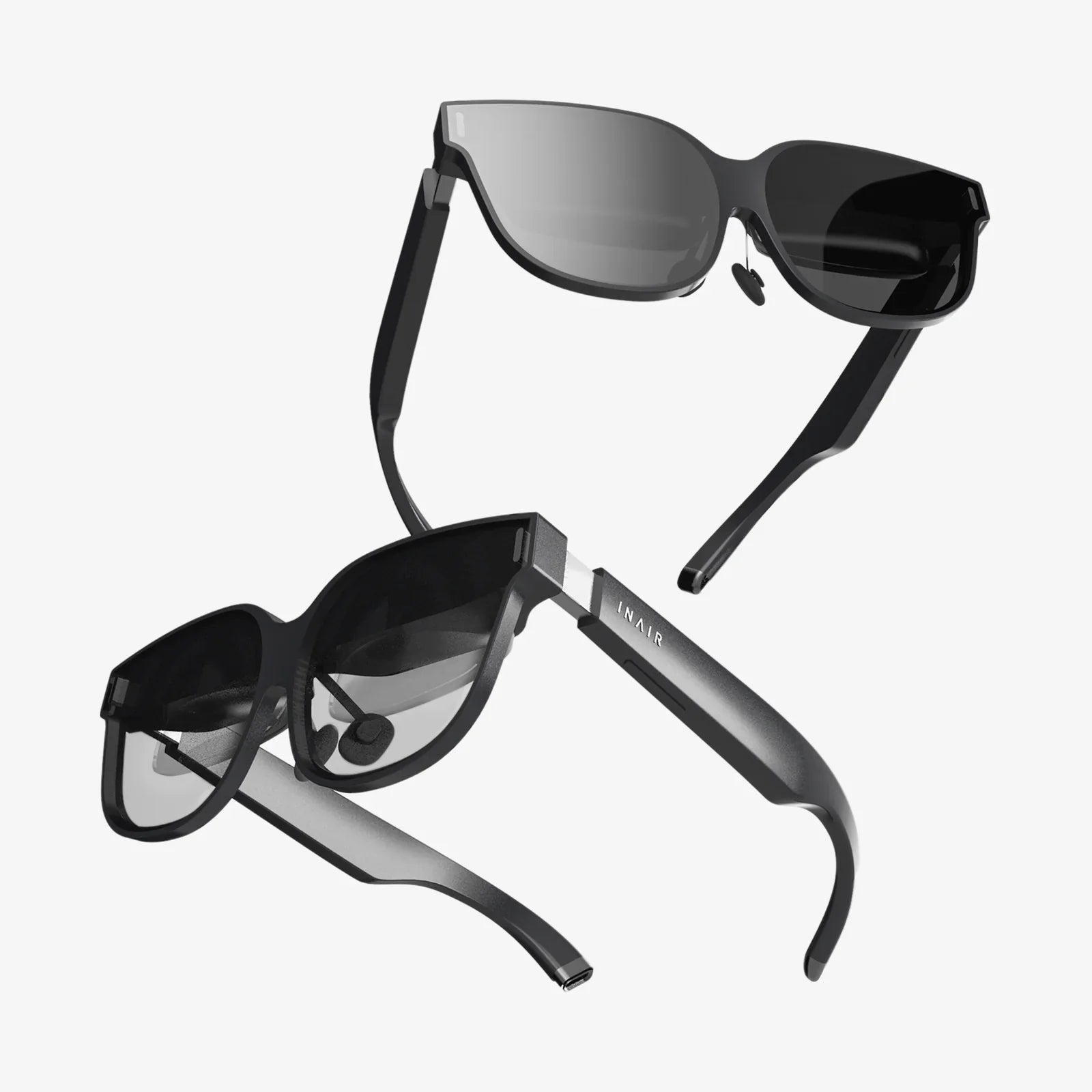
On the AR front, advancements in waveguide technology and micro-LED displays are making waves. These components are crucial for creating glasses that are socially acceptable—thin, light, and resembling ordinary eyewear. Breakthroughs reported this week indicate a significant increase in brightness and efficiency for these micro-displays, which is essential for clear visibility in bright outdoor environments. Simultaneously, improvements in waveguide manufacturing yield are promising, hinting at a future where high-quality AR glasses could become more affordable and mass-produced.
Powerful hardware is useless without intuitive software, and this week's software development kit (SDK) updates are all about lowering the barrier to creation and enhancing realism.
A key update from a major platform involves its scene understanding API. The system can now instantly and accurately map a room's 3D geometry, identifying and classifying surfaces like walls, floors, tables, and even windows with unprecedented speed. It can also recognize and track the position of common objects, like a sofa or a television. This allows digital content to interact with the physical world in a believable way; a virtual character can now sit on your real sofa, or a digital ball can convincingly bounce off your actual walls. This deep understanding of a user's environment is a critical step towards persistent AR experiences that blend perfectly with our lives.
Another major leap is in avatar technology. New machine learning models enable real-time, high-fidelity facial and eye tracking using only the headset's internal cameras. This means avatars in meetings or social VR applications can now display nuanced expressions—a subtle smirk, a raised eyebrow, a glance of surprise—with incredible fidelity and without the need for external hardware. This dramatic increase in non-verbal communication is breaking down the last barriers to feeling truly "present" with others in a virtual space, making remote collaboration more natural and empathetic than a standard video call could ever be.
The consumer side of the industry is far from stagnant. This week brought thrilling announcements for gamers and social explorers, pushing the boundaries of what's possible in virtual worlds.
The concept of augmented reality gaming evolved beyond catching digital creatures in the park. A new title unveiled this week uses the improved scene understanding mentioned earlier to turn your entire home into a dungeon-crawling adventure. Digital enemies burst through your walls, and you must physically duck behind your real-world furniture for cover. This "room-scale" AR gaming encourages physical movement and transforms familiar spaces into uncharted territory, representing a significant evolution in game design philosophy.
In social VR, a new platform update introduced user-generated content (UGC) tools that are both powerful and accessible. Users can now easily build and script their own interactive worlds, games, and assets without needing to know how to code. This democratization of creation is fueling an explosion of creativity and is quickly populating the metaverse with a diverse range of experiences, moving the vision away from a corporately-owned space to a user-built universe. The most popular user-created worlds are already attracting thousands of concurrent users, demonstrating a vibrant and growing community.
None of these dazzling front-end experiences would be possible without parallel breakthroughs in underlying technologies, particularly Artificial Intelligence and connectivity.
AI is the silent powerhouse driving most of this week's innovations. It's the AI that powers the improved scene understanding, the realistic avatar expressions, and the intuitive gesture controls. New neural networks specialized for on-device processing are allowing for more intelligent and responsive experiences without the latency of sending data to the cloud. This means your headset is getting smarter, faster, and more contextually aware on its own, enabling more complex and secure interactions.
Furthermore, progress in 5G-Advanced and Wi-Fi 7 deployment is directly impacting cloud-based XR. The promise of "cloud rendering," where graphically intense experiences are streamed to lightweight glasses or headsets, is inching closer to reality. The ultra-low latency and high bandwidth of these new connectivity standards are crucial for this, ensuring a seamless, high-fidelity experience without the need for a local, powerful computer. This paves the way for truly wireless, ultra-portable devices that can access infinite computing power from the edge.
With great power comes great responsibility, and this week's developments also bring pressing questions to the forefront. The same technology that can map your living room for a game could also be used for pervasive surveillance. The data collected by these devices—your movements, your gaze, your interactions, even the layout of your home—is incredibly sensitive.
New discussions and proposed industry frameworks have emerged focusing on privacy-by-design. The concept involves processing as much data as possible directly on the device rather than on remote servers, anonymizing any collected data, and giving users clear, granular control over what is shared. Another critical topic is digital security in persistent AR worlds, ensuring that malicious actors cannot inject harmful or misleading digital content into a user's perception of reality. These are not afterthoughts but are becoming core pillars of responsible development.
From the factory floor to the living room, from the architect's desk to the social plaza, AR and VR technology developments this week are not just shaping a new product category; they are drafting the blueprint for the next era of human-computer interaction. The lines between our digital and physical existences are blurring at an accelerating pace, promising a future of enhanced productivity, deeper connection, and experiences limited only by our imagination. The revolution will not only be televised; it will be fully immersive.
This is merely the opening chapter. As these technologies continue to converge and accelerate, our very perception of reality is poised for a rewrite. The tools to build, connect, and explore in ways previously confined to fiction are now actively being deployed, promising a tomorrow where the digital world doesn't just live on a screen—it lives all around us. The question is no longer if this future will arrive, but how quickly we will adapt to and shape its incredible potential.
Share:
VR Headset Glasses Compatibility: The Ultimate Guide to a Clear Virtual Reality
Augmented Reality and Virtual Reality: The Digital Frontier Reshaping Our World