


- by wangfred
AR VR to Feature: The Seamless Integration Reshaping Our Digital and Physical Worlds
- by wangfred
Imagine a world where the digital and the physical are no longer separate realms, but a single, intertwined existence. A world where information overlays your vision, virtual meetings feel as tangible as a handshake, and learning is an immersive journey rather than a passive lecture. This is not a distant sci-fi fantasy; it is the imminent future being built today, a future where AR and VR are poised to feature not as gadgets, but as fundamental layers of our reality. The convergence of these technologies promises to be the most transformative shift in human-computer interaction since the advent of the smartphone, and it’s happening faster than anyone anticipated.
While often mentioned in the same breath, Augmented Reality (AR) and Virtual Reality (VR) represent two distinct points on a spectrum of immersive technology. Understanding this spectrum is key to appreciating how they will feature in our lives.
Virtual Reality (VR) is an all-encompassing, digital experience. By wearing a headset, users are transported to a completely computer-generated environment, effectively replacing the real world. This immersion is its greatest strength, making it the premier tool for applications requiring total focus and simulation, from deep-sea exploration training to fantastical gaming worlds.
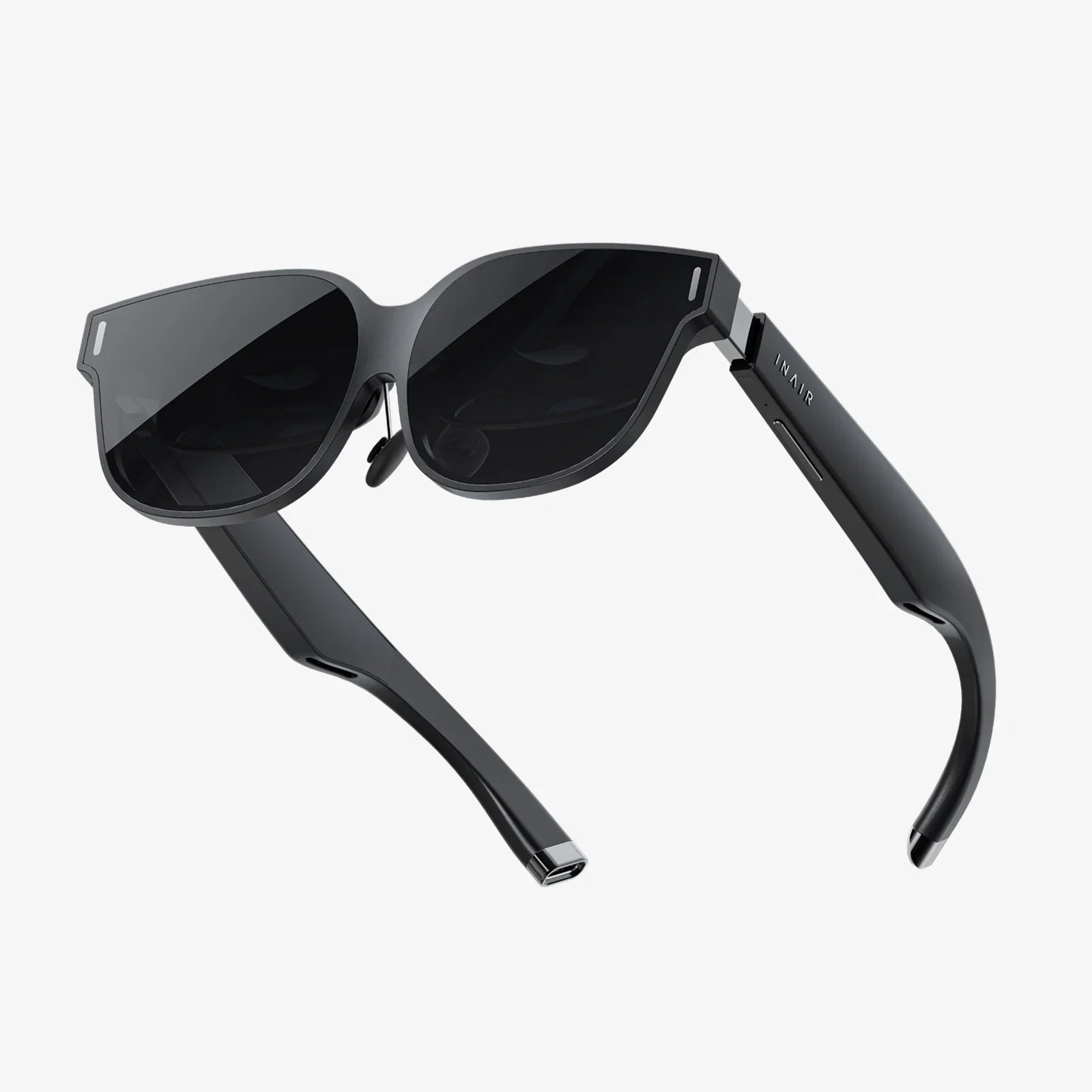
Augmented Reality (AR), in contrast, does not seek to replace our world but to augment it. It superimposes digital information—images, data, 3D models—onto the user’s view of their physical surroundings through smart glasses, smartphones, or heads-up displays. The magic of AR lies in its contextuality; the information presented is directly relevant to what the user is looking at or doing at that very moment.
Bridging these two is the concept of Mixed Reality (MR), where digital and physical objects co-exist and interact in real-time. A virtual character sitting on your real sofa is an MR experience. This seamless blend is the ultimate goal, and it is where the most profound applications will eventually feature.
For AR and VR to move from compelling prototypes to essential features of daily life, several critical pillars of technology had to mature in parallel. We are now witnessing this convergence.
Hardware Evolution: Early headsets were bulky, expensive, and tethered to powerful computers. Today, we see a rapid move towards wireless, self-contained devices with significantly improved form factors. Lighter materials, better weight distribution, and more powerful, efficient mobile processors are making extended use comfortable and practical. Advancements in optics, like pancake lenses, are creating slimmer profiles, while inside-out tracking eliminates the need for external sensors, granting users true freedom of movement.
Sensory Fidelity: The experience is only as convincing as the senses it engages. Displays are achieving higher resolutions and faster refresh rates to eliminate the screen-door effect and reduce motion sickness. Spatial audio technology is now sophisticated enough to mimic real-world soundscapes, making a whisper from a virtual character behind you feel startlingly real. Haptic feedback is evolving from simple controller vibrations to full-body suits that can simulate touch, temperature, and impact, completing the illusion of presence.
The Connectivity Backbone: The immense data processing required for high-fidelity AR/VR is being supercharged by high-speed, low-latency networks. This enables a shift from on-device processing to powerful cloud rendering, allowing for even more complex simulations and photorealistic graphics on lighter, more affordable hardware. It is the invisible infrastructure that will make these rich experiences accessible to all.
Artificial Intelligence: The Invisible Engine
Perhaps the most crucial enabler is Artificial Intelligence. AI is the brain that makes AR and VR intelligent and responsive. Computer vision algorithms allow devices to understand and map the environment, distinguishing a floor from a wall and a table from a chair. Machine learning enables gesture and voice recognition, creating intuitive natural interfaces. AI-driven avatars can serve as guides, colleagues, or companions, responding to users with unprecedented realism. Without AI, AR and VR would be blind and dumb; with it, they become perceptive and intelligent partners.
The enterprise and industrial sectors are where AR and VR are already delivering staggering returns on investment, featuring as indispensable tools for design, training, and maintenance.
Revolutionizing Design and Prototyping: In fields from automotive to aerospace, VR is creating digital twins of products and factories. Engineers and designers can step inside a full-scale model of a new vehicle long before a single physical part is manufactured. They can test ergonomics, identify design flaws, and simulate assembly line processes, saving millions in prototyping costs and dramatically accelerating time to market. This is not just a visualization tool; it is a collaborative sandbox for innovation.
The Ultimate Training Simulator: VR provides a risk-free environment to master high-stakes skills. Surgeons can practice complex procedures, pilots can navigate emergency scenarios, and factory workers can learn to operate dangerous machinery—all without any real-world consequences. This "learning by doing" in a hyper-realistic simulation drastically improves competency and retention compared to traditional methods. AR takes this a step further by providing real-time guidance on the job; a maintenance technician can see animated repair instructions overlaid on the actual equipment they are fixing, with remote experts able to annotate their field of view from across the globe.
Remote Collaboration Reimagined: Video conferencing has kept businesses running, but it lacks the nuance of physical presence. AR and VR are creating the next evolution: the holodeck meeting. Colleagues from around the world can meet as lifelike avatars in a virtual boardroom or interact with 3D data models as if they were in the same room. An architect in London can walk a client in Tokyo through a building design, making changes in real-time. This sense of "co-presence" is set to redefine remote work and global collaboration.
The impact of AR and VR will extend far beyond the factory floor, featuring profoundly in the most personal aspects of our lives.
A New Paradigm in Healthcare: The therapeutic potential is immense. VR is already being used to treat phobias through controlled exposure therapy, manage chronic pain by diverting the brain's attention, and help patients with PTSD process trauma in a safe setting. AR assists surgeons by projecting critical patient data, like MRI scans, directly onto their visual field during operations, improving precision and outcomes. For medical students, it offers an unparalleled way to learn anatomy by exploring detailed, interactive 3D models of the human body.
The Future of Retail and Commerce: The days of guessing if a new sofa will fit in your living room are numbered. AR apps allow you to place true-to-scale 3D models of furniture, appliances, and decor into your space using your smartphone. You can "try on" clothes, glasses, and makeup virtually before purchasing. This not only enhances consumer confidence and reduces return rates but also transforms shopping from a transactional chore into an engaging, personalized experience.
The Evolution of Storytelling and Social Connection: Entertainment will cease to be something we watch and become something we experience. Imagine attending a live concert from the front row, exploring a movie as an interactive participant, or traveling to ancient Rome as a citizen. Social platforms are already evolving into persistent virtual spaces where people can gather, play, and create together, forging connections and communities unbounded by physical geography. This represents a fundamental shift in how we define shared experiences and social interaction.
As with any powerful technology, this new frontier is not without its perils. The widespread adoption of AR and VR will feature a host of complex ethical and societal questions that we must address proactively.
Data Privacy and Security: These technologies are data collection engines on an unprecedented scale. A VR headset can track your eye movement, gait, and biometric responses. AR glasses, if always-on, would have a continuous feed of everything you see and hear. Who owns this immensely personal data? How is it stored, secured, and used? The potential for surveillance and misuse is staggering, necessitating robust new frameworks for data rights and digital consent.
The Reality Gap: As digital overlays become more persuasive, distinguishing the real from the virtual may become challenging. This could lead to new forms of misinformation, manipulation, and even accidents if virtual hazards are mistaken for real ones or vice versa. Establishing digital authenticity and creating clear boundaries will be critical for public safety.
Accessibility and the Digital Divide: There is a real risk that these immersive technologies could exacerbate existing social and economic inequalities. If crucial services, education, and employment opportunities begin to migrate into these spaces, ensuring equitable access becomes a matter of social justice. We must guard against a future where a privileged few experience an enhanced reality while others are left behind in the baseline one.
The Human Connection: While AR and VR can connect us across vast distances, will they deepen our bonds or lead to further isolation? Spending significant time in curated virtual worlds could impact our mental health and alter our relationship with the un-augmented physical world and the people in it. Balancing digital immersion with genuine human contact will be a central challenge of the coming decades.
The journey of AR and VR is no longer about proving their technical feasibility; that chapter is closed. We are now entering the era of integration, where these technologies will cease to be novelties and begin to feature as seamlessly as electricity or the internet—invisible, essential, and transformative. They hold the promise of augmenting human potential, breaking down barriers of distance and understanding, and solving some of our most persistent challenges. The interface of the future is not a screen; it is the world itself, and it is waiting for us to step inside.
Share:
Augmented Reality Positives and Negatives: A Deep Dive into Our Overlaid Future
Best AI Glasses 2025: The Smart Glasses Revolutionizing Daily Life with Unprecedented AI Features