


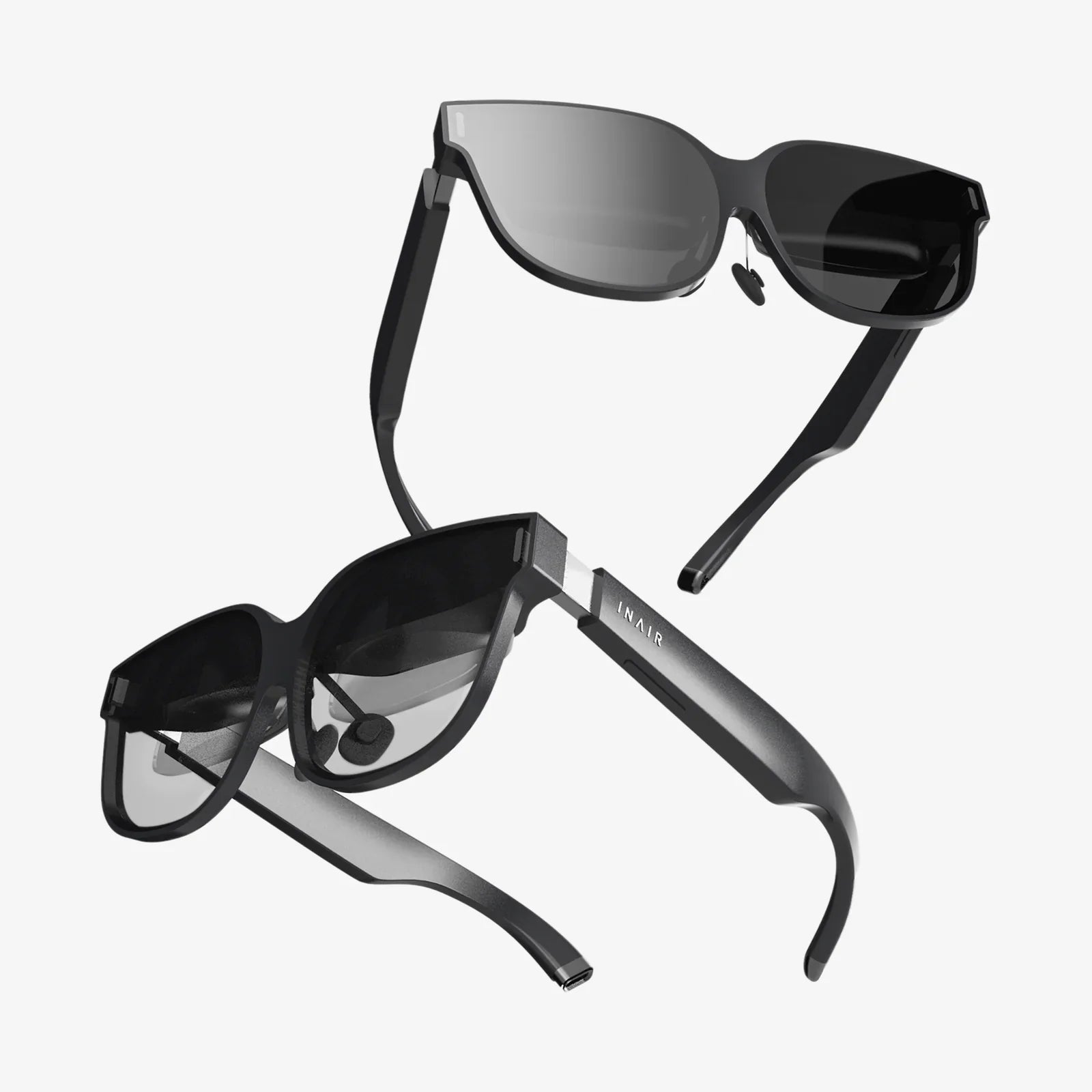
Imagine stepping into a virtual meeting room where your global teammates appear life-sized around a shared 3D model, where language barriers fade, and where complex ideas are understood in seconds instead of hours. That is not science fiction anymore. AR VR video conferencing advantages for global teams are rapidly turning ordinary remote meetings into immersive, productive collaboration hubs that can change how your organization operates across borders.
Why AR and VR Are the Next Leap in Global Collaboration
Traditional video calls helped global teams escape the limits of geography, but they also exposed new problems: screen fatigue, shallow engagement, miscommunication, and a constant sense of distance. AR (augmented reality) and VR (virtual reality) are the next leap because they address those weaknesses directly.
AR overlays digital information on the real world, while VR immerses you in a fully virtual environment. When combined with video conferencing, they create a shared space where remote participants can feel present, interact naturally, and work with digital content as if it were physically in front of them. For global teams dealing with different time zones, cultures, and workflows, this shift can be transformative.
Deeper Sense of Presence Across Borders
One of the biggest AR VR video conferencing advantages for global teams is the sense of presence. Instead of staring at small rectangles on a flat screen, team members can feel like they occupy the same virtual room.
- Life-sized avatars and spatial audio: Participants appear as avatars or volumetric representations arranged in a virtual space. Spatial audio makes voices sound like they are coming from specific directions, just like in real life.
- Natural body language: Head and hand tracking allow gestures, nods, and posture to be communicated, which improves understanding beyond words alone.
- Shared environment: Everyone sees the same virtual whiteboards, models, and documents, creating a sense of “being there together” rather than “watching a screen alone.”
This deeper presence helps global teammates feel more connected, reduces the emotional distance of remote work, and makes cross-border collaboration feel more human.
More Engaging and Interactive Meetings
Engagement is a constant challenge in distributed teams. People multitask, turn off cameras, or mentally tune out. AR and VR video conferencing fight this by making meetings interactive and immersive.
- 3D whiteboarding and brainstorming: Participants can draw, move, and manipulate objects in a shared 3D space. Ideas can be clustered, rearranged, and visualized in ways that are impossible on a flat slide deck.
- Hands-on collaboration: Designers, engineers, and product teams can manipulate virtual prototypes together, pointing out details and making changes in real time.
- Gamified participation: Interactive polls, spatial voting, and virtual “sticky notes” encourage contributions from everyone, not just the loudest voices.
Because participants are physically and visually immersed, it is harder to zone out. The result is fewer passive attendees and more active collaborators, which is especially valuable when people are spread across continents.
Faster Understanding of Complex Ideas
Global teams often deal with complex products, systems, or processes that are hard to explain over a standard video call. AR and VR excel at making the abstract concrete.
- 3D visualization of products and data: Instead of describing a system verbally, teams can walk around a life-sized 3D model, zoom in, and inspect details together.
- Spatial data storytelling: Charts and dashboards can be displayed as interactive 3D visualizations, making patterns and relationships easier to grasp.
- Scenario simulations: Teams can simulate workflows, customer journeys, or emergency scenarios in a virtual environment to test decisions and strategies.
When complex ideas are visualized in 3D, misunderstandings are reduced, decisions are made faster, and fewer follow-up meetings are needed. That is a major advantage when your colleagues are in different time zones and every meeting slot is precious.
Stronger Cross-Cultural Communication
Communication across cultures is about more than language; it involves tone, body language, and shared context. AR VR video conferencing advantages for global teams include richer nonverbal communication and better shared experiences.
- Richer nonverbal cues: Facial expressions, gestures, and posture are easier to interpret in an immersive environment than through tiny webcam windows.
- Shared virtual spaces: Teams can meet in virtual environments that reflect a neutral or customized culture, helping to avoid the feeling that one office or region is “home base.”
- Interactive icebreakers: Virtual team-building activities, games, and informal spaces help global colleagues bond in ways that traditional video calls rarely allow.
These elements help build trust and understanding between people who may never meet in person, which is essential for long-term global collaboration.
Reduced Travel Costs and Environmental Impact
Global collaboration has traditionally relied on travel for critical meetings, workshops, and training sessions. AR and VR can replace many of those trips without sacrificing interaction quality.
- Virtual workshops and summits: Instead of flying dozens of people to a central location, organizations can host immersive virtual conferences where participants feel present and involved.
- Remote site visits: Teams can tour virtual replicas of offices, factories, or customer environments, reducing the need for on-site visits.
- Lower carbon footprint: Fewer flights and less travel translate into a smaller environmental impact, which supports sustainability goals.
These savings are not only financial. Reducing travel also lowers burnout, improves work-life balance, and makes it easier to include people who might not be able to travel due to personal or regional constraints.
Enhanced Training and Onboarding Across Time Zones
Training and onboarding are critical moments for global teams, but they can be difficult when new hires are spread across regions. AR and VR offer powerful tools for learning and skill development.
- Immersive training scenarios: New team members can practice tasks in a virtual environment that mimics real-world conditions, from operating machinery to handling customer interactions.
- Guided AR instructions: AR can overlay step-by-step instructions on physical equipment, helping remote workers perform tasks accurately with virtual guidance.
- Self-paced and live sessions: Training modules can be recorded in VR for self-paced learning, while live VR sessions allow instructors to observe and coach participants in real time.
Because these experiences are more engaging and hands-on than slides or videos, knowledge retention tends to be higher. Global organizations can standardize training quality across regions without requiring trainers to travel constantly.
Better Support for Hybrid and Remote-First Work Models
Many organizations now operate with hybrid or fully remote teams. AR VR video conferencing advantages for global teams are especially valuable in these models, where the gap between in-office and remote workers can create inequality.
- Level playing field: When everyone participates in a virtual environment, remote team members are not relegated to a small screen in a physical conference room.
- Persistent virtual spaces: Teams can maintain always-on virtual project rooms where documents, prototypes, and notes remain available between meetings.
- Flexible collaboration: Colleagues can meet in VR for deep work sessions, then return to traditional tools for quick check-ins, choosing the mode that best fits the task.
This reduces the “second-class citizen” feeling that remote workers sometimes experience and helps global teams operate as a unified group, regardless of location.
Real-Time Problem Solving and Remote Assistance
Another key advantage is the ability to solve problems on the ground in real time, even when experts are located thousands of miles away.
- AR-guided troubleshooting: A local technician can share their view via AR, while a remote expert overlays instructions, highlights components, or draws directly into the field of view.
- Collaborative inspection: Multiple experts from different regions can join a session to inspect equipment, facilities, or prototypes together, reducing delays.
- Reduced downtime: Faster problem resolution means less downtime for critical systems and fewer costly site visits.
For global teams managing distributed infrastructure, manufacturing plants, or complex systems, this capability can dramatically improve response times and service quality.
Improved Documentation and Knowledge Sharing
Knowledge sharing is a constant challenge in global organizations. AR and VR add new dimensions to how information is captured and reused.
- Recorded immersive sessions: VR meetings and training sessions can be recorded so that others can “replay” the experience later, not just watch a flat video.
- Spatial knowledge mapping: Information can be organized in 3D spaces, where related documents, models, and notes are grouped visually.
- Step-by-step AR guides: Processes can be documented as AR workflows, making it easier for new staff to follow best practices without extensive supervision.
This creates a richer, more intuitive knowledge base that global teams can access regardless of location or time zone, reducing reliance on ad hoc explanations and one-off calls.
Addressing Challenges and Barriers to Adoption
Despite the many AR VR video conferencing advantages for global teams, adoption is not automatic. Organizations must navigate several challenges to unlock the full benefits.
- Hardware access: VR headsets and AR-capable devices are becoming more affordable, but not every employee will have immediate access. A phased rollout may be needed.
- Comfort and usability: Some people may experience motion discomfort or need time to adapt. Shorter initial sessions and proper device setup can ease this transition.
- Bandwidth and infrastructure: Immersive experiences require reliable internet connections. Global teams may need network upgrades or optimized configurations.
- Security and privacy: Immersive collaboration involves new types of data, including spatial and biometric information. Strong security policies and compliance measures are essential.
- Change management: Teams accustomed to traditional video calls may resist new tools. Clear communication of benefits, training, and leadership support are crucial.
By anticipating these challenges, organizations can design adoption strategies that minimize friction and maximize early wins.
Practical Steps to Get Started with AR and VR Video Conferencing
Global teams do not need to overhaul their entire collaboration stack overnight. A gradual, targeted approach often works best.
- Identify high-impact use cases: Start with scenarios where AR and VR clearly outperform traditional video, such as design reviews, technical training, or complex problem-solving sessions.
- Pilot with a small group: Choose a cross-functional team from different regions to experiment with AR/VR meetings. Gather feedback on usability, productivity, and engagement.
- Define clear success metrics: Track metrics like meeting length, decision speed, error rates, training completion, and participant satisfaction to evaluate impact.
- Provide training and support: Offer short onboarding sessions, quick-start guides, and help resources so participants feel confident using the technology.
- Integrate with existing tools: Connect AR/VR platforms with calendars, project management tools, and document repositories to reduce friction.
- Scale gradually: Expand to more teams and use cases as comfort and demonstrated value grow, adjusting policies and infrastructure as needed.
This approach allows organizations to learn, adapt, and build internal expertise without overwhelming users or budgets.
Future Trends That Will Amplify the Benefits
The AR and VR landscape is evolving quickly, and several emerging trends are poised to amplify the advantages for global teams.
- Lighter, more comfortable devices: New generations of headsets and AR glasses are becoming less bulky and more user-friendly, making longer sessions feasible.
- Higher-fidelity avatars: Realistic avatars with facial expression tracking will make interactions feel even more natural and expressive.
- AI-powered translation and assistance: Real-time language translation, transcription, and intelligent meeting assistants will reduce language barriers and automate routine tasks.
- Mixed reality workspaces: The line between physical and virtual will blur as people use AR to bring virtual colleagues and content into their real-world surroundings.
- Standardization and interoperability: As standards mature, different AR/VR platforms will work together more easily, simplifying collaboration across organizations.
These developments will make immersive collaboration more accessible, more powerful, and more deeply integrated into everyday work.
How Global Teams Can Maximize the Human Advantage
Technology alone does not guarantee better collaboration. The real power of AR and VR comes from how teams use them to enhance human connection and performance.
- Design meetings for participation: Use virtual tools to encourage contributions from everyone, especially those in cultures or roles where speaking up is less common.
- Respect time zones and energy: Reserve immersive sessions for high-value activities and schedule them thoughtfully across regions.
- Build rituals and culture: Create recurring virtual spaces for informal gatherings, celebrations, and learning to strengthen global culture.
- Gather continuous feedback: Ask participants how AR/VR meetings affect their work, comfort, and relationships, then refine practices accordingly.
When used intentionally, AR and VR can help global teams feel more aligned, more engaged, and more capable than ever before.
Why Now Is the Time to Explore AR and VR for Global Teams
Remote collaboration is no longer a temporary solution; it is a permanent reality for many organizations. Sticking with basic video calls alone risks leaving productivity, innovation, and engagement on the table. AR VR video conferencing advantages for global teams are becoming too significant to ignore.
Organizations that start experimenting now gain a strategic edge. They develop internal expertise, refine their workflows, and build a culture that embraces immersive collaboration. Meanwhile, their global teams enjoy richer communication, faster problem solving, and stronger relationships, all while reducing travel and supporting sustainability goals.
If your global workforce is still relying on flat screens and endless slide decks, this is your opportunity to step into a more immersive, human, and effective way of working together. The tools are ready, the benefits are tangible, and the teams that move first will be the ones shaping how global collaboration looks in the years ahead.
Share:
Bedside Lamp Touch Control RGB Ideas to Transform Your Nighttime Space
touch screen controller xfinity Setup, Secrets, and Smarter Home Control