


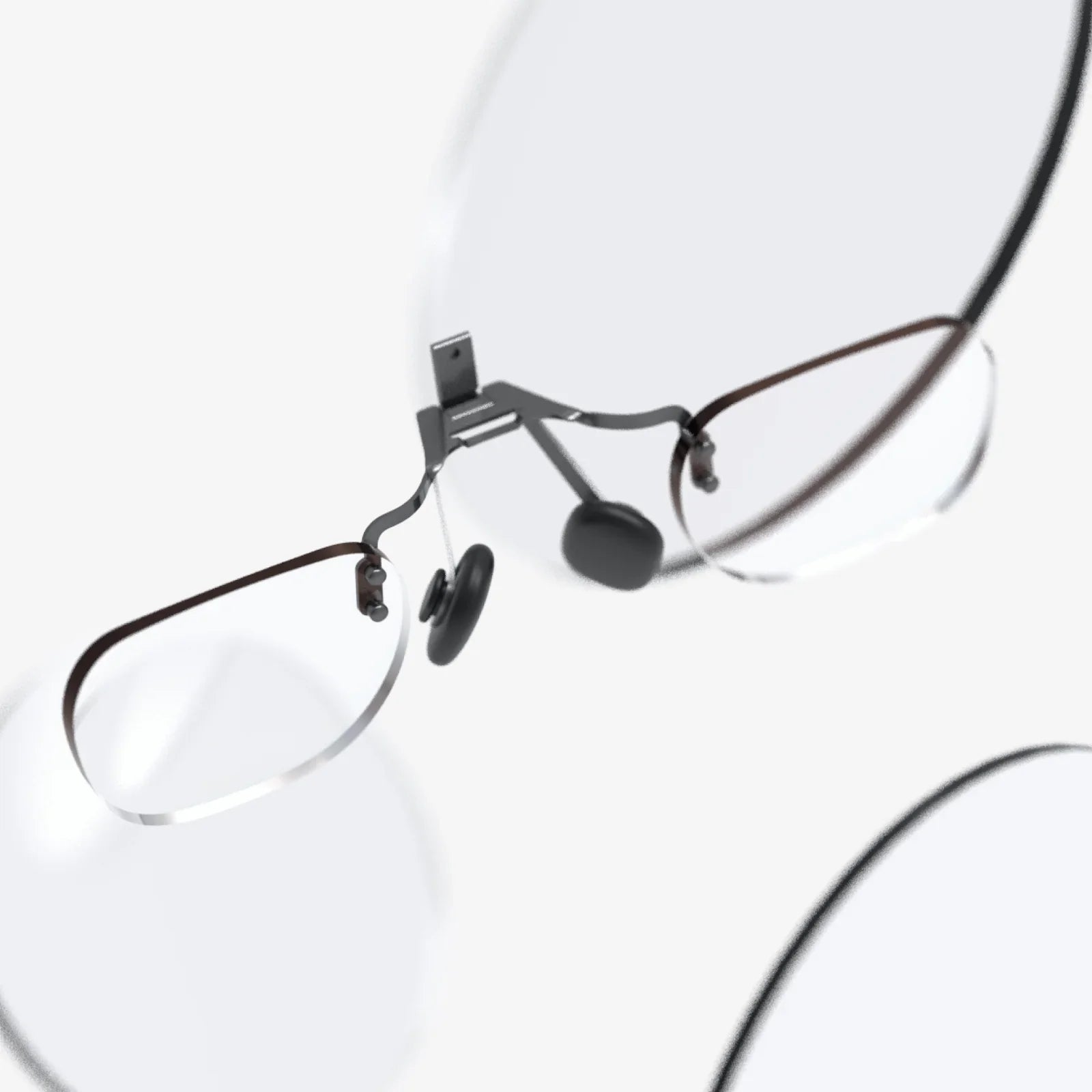
- by wangfred
AR vs VR Market: A Deep Dive into the Future of Immersive Technology
- by wangfred
The digital and physical worlds are colliding, and the battleground is your perception of reality. Two acronyms dominate the conversation about the future of human-computer interaction: AR and VR. While often mentioned in the same breath, the Augmented Reality (AR) and Virtual Reality (VR) markets are on fundamentally different trajectories, driven by distinct purposes, consumer needs, and technological hurdles. Understanding the dynamics of the AR vs VR market is not just an exercise in tech speculation; it's a crucial lens for viewing the next decade of technological evolution, one that promises to reshape industries, redefine social connection, and alter the very fabric of our daily lives. This deep dive goes beyond the hype to unpack the forces at play, the money on the table, and the ultimate convergence that will define our immersive future.
Before dissecting the markets, it's essential to clearly distinguish between the two technologies, as confusion here often leads to misguided market analysis.
Virtual Reality (VR) is an immersive, all-encompassing experience. It transports the user into a completely digital environment, shutting out the physical world entirely. This is typically achieved through a head-mounted display (HMD) that covers the user's field of vision, often paired with motion-tracking controllers. The goal of VR is presence—the convincing feeling of "being there" in a computer-generated world. Whether exploring a fantasy landscape, conducting a virtual meeting, or playing a game, the user's reality is entirely synthetic.
Augmented Reality (AR), by contrast, does not replace the real world but enhances it. It overlays digital information—images, text, 3D models—onto the user's view of their physical surroundings. The magic of AR is that it allows the user to interact with both the digital and the real simultaneously. This can be experienced through smartphone screens, smart glasses, and increasingly, through specialized AR headsets. The goal of AR is contextual relevance—providing the right information at the right time and in the right place.
This core philosophical difference—replacement versus enhancement—is the primary driver behind the divergent paths of their respective markets.
The VR market has been characterized by explosive growth in consumer entertainment, followed by a period of consolidation and a strategic pivot towards enterprise applications.
The modern VR boom was undoubtedly catalyzed by the gaming and entertainment sector. High-profile launches of powerful, all-in-one headsets created a vibrant ecosystem of developers and enthusiasts. The market is currently segmented into a few key areas:
Despite its promise, the VR market faces significant headwinds that have prevented it from achieving true mainstream, all-day adoption.
The VR market, therefore, is on a path of steady, pragmatic growth, particularly within enterprise and dedicated enthusiast communities, while it continues its longer-term quest for a broader consumer breakthrough.
If VR is a dedicated destination, AR is an ever-present layer on top of the world. Its market potential is often considered even larger than VR's because of its seamless integration into everyday tasks.
The AR market's growth is being fueled by its vast applicability across virtually every sector. Unlike VR, its entry point for most consumers has been the smartphone they already own, through apps and features that use the camera to overlay information.
The biggest bottleneck for the AR market is hardware. While smartphone-based AR is widespread, it is a compromised experience, requiring users to hold up a device. The true potential of AR lies in wearable, hands-free glasses that are socially acceptable, comfortable, and have all-day battery life.
The development of these advanced AR glasses is the holy grail of the industry. It requires monumental advancements in display technology (like waveguides), miniaturization of components, processing power, and battery technology. The market is waiting for a device that is as lightweight and stylish as regular eyeglasses but packs the power of a supercomputer. Until this form factor is perfected and becomes affordable, the AR market's growth, though immense, will be partially capped.
Quantifying the AR and VR markets reveals a fascinating picture of current value and future potential. Numerous prominent market research firms consistently project that the combined AR and VR market will grow into the hundreds of billions of dollars within this decade.
Historically, the VR market saw earlier and larger consumer hardware revenues due to the sale of headsets. However, the long-term projections almost universally favor AR to become the larger market. This is because AR is seen as a platform technology—a fundamental layer of computing—that will be integrated into countless professions and daily activities, driving immense software and service revenues.
Investment trends reflect this optimism. Venture capital is flowing heavily into AR software companies, particularly those focused on enterprise solutions. Major tech conglomerates are investing billions in internal R&D for both AR and VR, betting on the strategic importance of these platforms for the next computing era. The race is on to develop the underlying technologies, from graphics processing and computer vision to cloud streaming and 5G connectivity, that will power both realities.
The narrative of "AR vs VR" is ultimately transitional. The endgame is not two separate markets but a spectrum of experiences and a single market for immersive computing. This is already becoming evident with the development of Mixed Reality (MR) or Extended Reality (XR) devices.
These advanced headsets use passthrough cameras to blend the real and virtual worlds. They can operate as a VR headset, creating fully digital environments, but can also use their cameras to scan your physical room and anchor digital objects to it, creating a persuasive AR experience. This technology allows for the deep immersion of VR with the contextual awareness of AR.
This convergence means the future market will likely be less about choosing between AR or VR and more about selecting the right tool for the right task on a spectrum of reality. A single headset may be used for a fully virtual training simulation in the morning and for viewing interactive, augmented schematics on a real-world factory floor in the afternoon. The hardware, software, and developer ecosystems will increasingly merge, creating a unified and colossal immersive technology market.
The rise of these technologies brings profound questions that society must grapple with.
Navigating these challenges will be as important as developing the technology itself, requiring thoughtful dialogue among developers, policymakers, and the public.
The lines on the map of reality are being redrawn not by cartographers, but by engineers and developers. The AR and VR markets, once seen as competitors, are revealing themselves as two sides of the same coin—a coin that will purchase our entry into the next era of computing. The VR market continues to build breathtaking worlds of escape and training, perfecting the art of immersion. Simultaneously, the AR market is quietly weaving a digital tapestry into the fabric of our everyday existence, promising a world of enhanced efficiency and understanding. The ultimate winner isn't AR or VR, but the seamless blend of both—a future where the digital and physical coexist so intimately that the distinction becomes meaningless. This isn't just a new market; it's the next chapter of human experience, and it's already being written.
Share:
Positive Impacts of Augmented Reality: Reshaping Our World Through Digital Overlays
AR VR Illustration: The New Frontier of Digital Art and Immersive Storytelling