


- by wangfred
Are Smart Glasses Allowed in School? Navigating the New Frontier of EdTech
- by wangfred
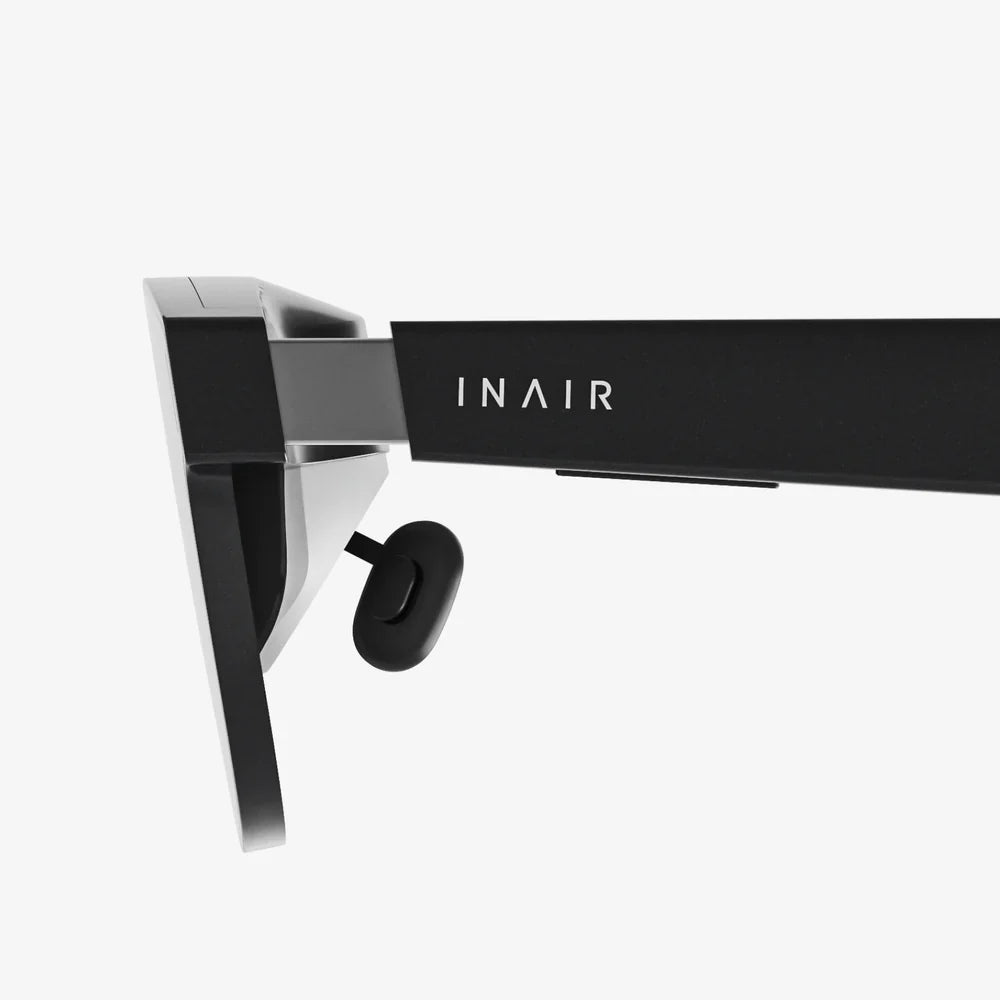
The sleek, futuristic frames sit innocently on the bridge of a nose, but behind those lenses lies a technological revolution waiting to enter the classroom. The question of whether smart glasses are allowed in school is not a simple yes or no answer; it is a complex, multi-faceted debate sitting at the intersection of innovation, privacy, pedagogy, and policy. As these devices evolve from science fiction to consumer reality, school districts, administrators, teachers, and parents are grappling with a dilemma that has no precedent. This is not merely about a new gadget; it’s about redefining the boundaries of the learning environment in an increasingly digital age.
To understand the policies forming around these devices, one must first appreciate their dual potential. On one hand, smart glasses represent a powerful educational tool with the capacity to transform learning experiences. Imagine a biology student dissecting a frog while their glasses overlay a detailed, interactive 3D model of the amphibian’s anatomy. Envision a history class walking through a virtual recreation of ancient Rome, all viewed through their eyewear. For students with disabilities, the applications are profound. Real-time closed captioning for the hearing impaired, navigation assistance for the visually impaired, or step-by-step instructional prompts for those with cognitive challenges could provide unprecedented levels of access and inclusion.
Conversely, the very features that make them powerful learning aids also make them potent agents of disruption and misuse. The ability to record audio and video surreptitiously raises immense concerns about student and teacher privacy. A device that can access the internet instantaneously presents a constant temptation for distraction, pulling a student’s attention away from the lesson and toward social media, games, or other non-educational content. The potential for cyberbullying is magnified, as a student could record and share embarrassing moments with a simple voice command or subtle gesture, all without their peers' knowledge. This fundamental duality—tool versus toy, enabler versus invader—is the core of the controversy.
There is currently no universal federal law in the United States governing the use of smart glasses in schools. Instead, the response has been a fragmented patchwork of district-level policies, often reactive rather than proactive. Most schools already have Acceptable Use Policies (AUPs) and general technology guidelines that broadly cover personal electronic devices. The initial approach by many administrators has been to lump smart glasses into the same category as smartphones, often invoking blanket bans under existing “no cell phone” rules during instructional time.
However, this approach is increasingly seen as inadequate. Smart glasses are not just another screen; they are a wearable, always-on, first-person perspective device. This necessitates a more nuanced policy framework. Some forward-thinking districts are beginning to draft specific clauses addressing wearable technology. These policies often hinge on key distinctions:
Navigating this legal gray area is a significant challenge. Laws concerning audio recording, for instance, vary from state to state, with some requiring single-party consent and others all-party consent. Schools must ensure their policies are not only educationally sound but also legally defensible.
Perhaps the most significant hurdle for the adoption of smart glasses in schools is the formidable issue of privacy. The classroom is meant to be a safe space for learning, experimentation, and sometimes failure—a environment where students and teachers should feel secure without the fear of being recorded.
The introduction of always-on wearable cameras threatens this sanctity. Teachers have a reasonable expectation of privacy regarding their instructional methods and their interactions with students. They should not have to teach under the constant anxiety that their every word and action is being recorded, scrutinized, and potentially taken out of context. Similarly, students have a right to learn without being unwilling participants in a classmate’s social media feed. The potential for recordings to be used to bully, embarrass, or harass is a serious concern that administrators cannot ignore.
This creates a paradox: the technology that could empower individualized learning also has the capacity to create an environment of surveillance and distrust. Addressing this requires more than just policy; it requires a cultural shift and a commitment to digital citizenship education, teaching students not just how to use the technology, but the ethics and responsibilities that come with it.
If a student can glance at a formula subtly projected onto their lens, or have answers read to them through a discrete earpiece, the very foundation of assessment is undermined. Smart glasses could become the ultimate tool for academic dishonesty, making traditional methods of test proctoring obsolete. The ability to live-stream an exam to a collaborator outside the room or to pull up notes from cloud storage without any visible movement makes cheating incredibly difficult to detect.
This forces educators to reconsider how they assess learning. It may accelerate a shift away from high-stakes, memory-based testing and toward project-based learning, oral assessments, and applied knowledge demonstrations that are inherently harder to cheat on. The technology that poses the threat may also be the catalyst for long-overdue pedagogical reform, pushing assessment toward measuring understanding rather than memorization.
A outright ban is the simplest solution, but it may also be the least imaginative. It avoids the problems but also forfeits the potential benefits. A more balanced approach involves creating clear, specific guidelines that allow for educational use while mitigating risks.
This could look like designated times and places for use, such as only in specific STEM labs or art classes under direct teacher supervision. Schools could implement technology that creates “dead zones” where certain functionalities of wearable tech are disabled within school boundaries. Furthermore, for devices permitted for assistive purposes, clear documentation and individualized plans would be necessary to ensure their use is appropriately monitored and supported.
Critical to this balanced approach is stakeholder involvement. Policies crafted in a vacuum by administrators are less effective than those developed collaboratively with teachers, parents, and even students. Open dialogues, pilot programs, and ongoing evaluations are essential for creating rules that are both practical and effective.
The discussion around smart glasses is merely the opening chapter of a much longer story. The technology will continue to advance, becoming more affordable, more powerful, and more integrated into our daily lives. The lessons learned from navigating this issue will set the precedent for the next wave of wearable and immersive technology, including more advanced augmented reality headsets and neural interfaces.
Schools have a responsibility to prepare students for the future they will inhabit, a future where this technology will be commonplace in workplaces and society. Teaching digital literacy, ethical reasoning, and responsible use is no longer optional; it is a core requirement of a modern education. By engaging with this technology thoughtfully today, educators can help shape a generation that uses it wisely tomorrow.
The hallways of tomorrow's schools may hum with the quiet potential of augmented reality, but unlocking its benefits requires cracking a tough code of ethics and policy first. The journey toward answering whether smart glasses belong in the classroom is just beginning, and the path we choose will shape the very future of education itself.