


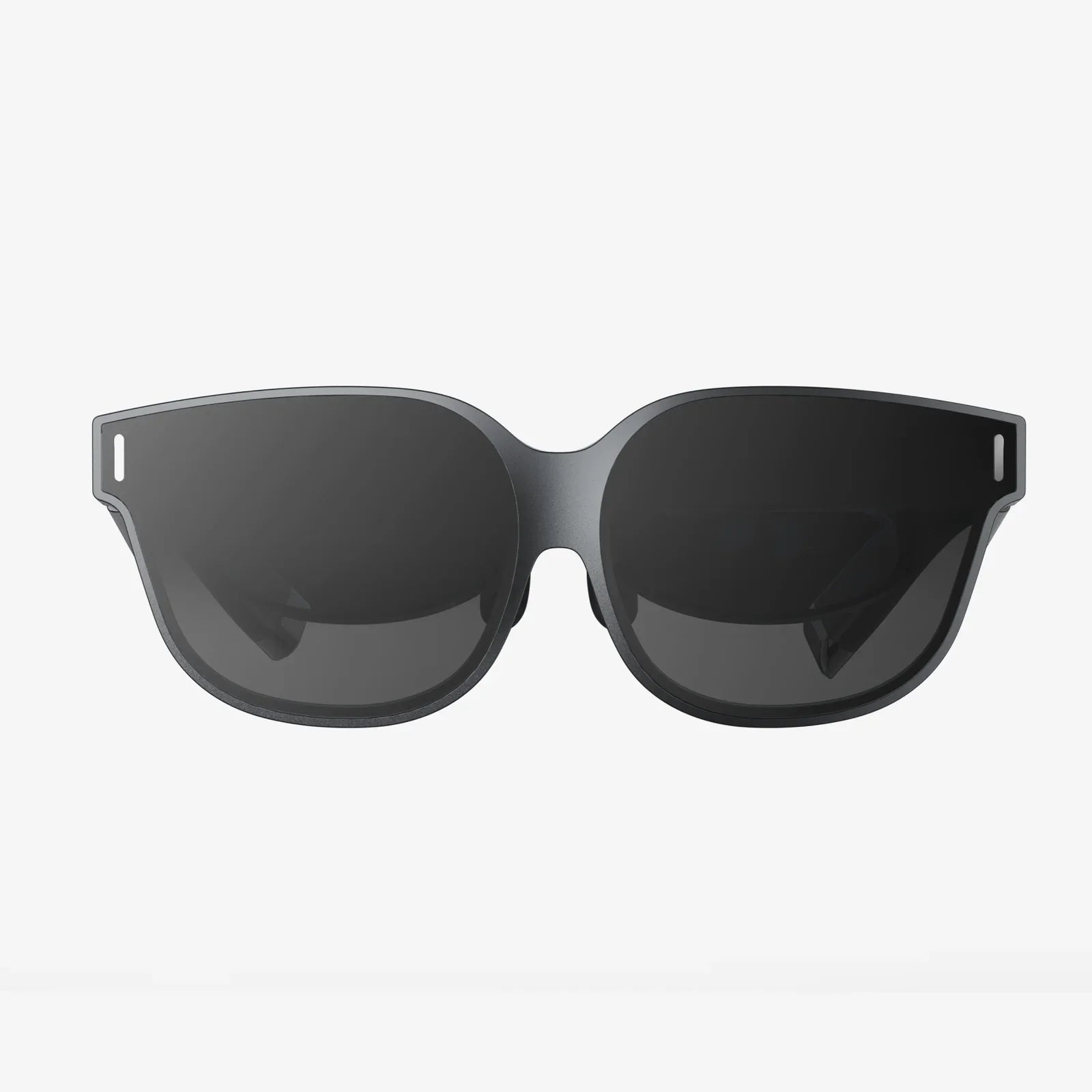
You’re caught in a sudden downpour, or a splash of water arcs from the pool, and your first instinct isn’t about your clothes—it’s about the sophisticated tech perched on your nose. The question flashes in your mind more urgently than any notification: are my smart glasses waterproof? It’s a critical query for anyone investing in wearable technology designed to be on the front lines of your daily life. The answer, as we’re about to explore, is far from a simple yes or no. It’s a complex world of engineering standards, specific terminology, and careful usage guidelines that every owner needs to understand to avoid a very expensive mistake.
Demystifying the Jargon: Waterproof vs. Water-Resistant
Before we can even begin to address the core question, we must clear up the most common and dangerous misconception in consumer electronics: the difference between "waterproof" and "water-resistant." These terms are not interchangeable, and misunderstanding them is the fastest way to ruin a pair of smart glasses.
The term waterproof is, in truth, a bit of a misnomer. In an absolute sense, it implies a complete and total imperviousness to water, under any and all conditions, forever. For complex electronic devices with microphones, speakers, and intricate circuitry, this is an almost impossible standard to achieve and maintain over the product's lifespan. You will rarely, if ever, see a reputable manufacturer claim their smart glasses are fully "waterproof."
The accurate and far more common term is water-resistant. This indicates the device has been designed and built to withstand exposure to water to a certain degree, but within specific, limited conditions. The level of resistance is not infinite and is precisely defined by a recognized standard. This is where the all-important IP rating comes into play, which is the true key to unlocking the mystery of your glasses' capabilities.
The Rosetta Stone of Durability: Understanding IP Ratings
If you take away one thing from this article, let it be this: The IP rating is everything. IP stands for Ingress Protection (or sometimes International Protection). It’s a standard defined by the International Electrotechnical Commission (IEC) that classifies the degree of protection provided by an enclosure against intrusion from solids (like dust) and liquids (like water).
An IP rating is typically written as "IP" followed by two digits (e.g., IP54). Each digit has a specific meaning:
- The First Digit (Solid Particle Protection): Ranges from 0 (no protection) to 6 (dust-tight). This tells you how well the device is sealed against dirt and dust.
- The Second Digit (Liquid Ingress Protection): This is the one we care about most. It ranges from 0 (no protection) to 9K (powerful high-temperature water jets). This digit defines the device's protection against water.
Here’s a breakdown of what the second digit means for your smart glasses:
- IPX0 (or IP0X): No protection. Keep them far away from any moisture.
- IPX4 (Splash Resistant): The most common baseline for many devices. Protection against water splashes from any direction. This handles rain, sweat, and accidental splashes. You can wear them for a run in the rain or a intense workout.
- IPX5 (Water Jet Resistant): Protection against low-pressure water jets from a nozzle. A more robust rating that can handle heavier rain or being washed under a gentle tap (though this is still not recommended).
- IPX7 (Water Immersion Resistant): Can be immersed in up to 1 meter of fresh water for up to 30 minutes. This is a significant jump and would allow for accidental drops into a pool or sink.
- IPX8 (Deeper Water Immersion): Rated for immersion beyond 1 meter, under conditions specified by the manufacturer. This is as close to "waterproof" as it gets for consumer electronics.
Crucial Note: These ratings are achieved under controlled laboratory conditions using fresh water. Real-world factors like chlorine, salt, soap, and water pressure can drastically affect performance.
Real-World Scenarios: What Can Your Smart Glasses Actually Handle?
Now that we speak the language of IP ratings, let’s translate them into everyday situations. Always, always check your specific model's official IP rating first. Never assume.
The Sudden Rain Shower
You’re walking down the street and the skies open up. For glasses rated IPX4 or higher, this is a non-issue. They are explicitly designed for this exact scenario. You can confidently continue your journey. For anything less than IPX4, you should immediately remove them and place them in a dry case or bag.
The Intense Workout and Sweat
Sweat is a fact of life for fitness enthusiasts, and it’s more corrosive than pure water due to its salt content. Most modern smart glasses aimed at an active lifestyle will have a rating of at least IPX4, making them sweat-resistant. However, it’s good practice to wipe them down with a soft, slightly damp cloth (fresh water) after a sweaty session to remove residue.
The Accidental Splash
A kid splashes in a pool, a glass of water gets knocked over, you’re washing your hands—these are common accidents. An IPX4 rating will easily handle a brief splash. If they get more thoroughly doused, dry them off immediately. For peace of mind, an IPX5+ rating is better suited for these more unpredictable environments.
The Drop in the Sink or Pool
This is the nightmare scenario. Here, the rating makes all the difference. If your glasses are rated IPX7 or IPX8, you can breathe a sigh of relief. Fish them out, dry them thoroughly, and they should be fine. If they are rated IPX4 or IPX5, this is a serious event. Retrieve them immediately, power them down (if possible), and dry them meticulously. There is a significant risk of liquid damage. For devices with no rating, the outcome is almost certainly fatal for the electronics.
Swimming, Showering, and Saunas
This is a hard line. Do not wear your smart glasses while swimming, showering, or in a sauna unless they are explicitly rated for it (IPX8) and the manufacturer's instructions explicitly say you can. The pressure from swimming, the soap and shampoo in showers (which can degrade seals), and the extreme heat and steam of a sauna are beyond the design parameters of nearly all consumer smart glasses currently on the market.
The Enemies Beyond Water: What IP Ratings Don't Cover
An IP rating is a fantastic guide, but it’s not a comprehensive shield against all of life’s hazards. Your smart glasses face other threats that water resistance does not account for.
- Salt Water: The ocean and sea water are highly corrosive due to the salt content. A rating that protects against fresh water may not hold up against salt water, which can creep into seals and corrode metals and circuitry. If exposed, rinse the glasses gently in fresh water as soon as possible and dry them thoroughly.
- Chlorine and Chemicals: Pool water, cleaning products, solvents, and lotions (like sunscreen) can be equally damaging. They can break down the protective seals and coatings over time, compromising the water resistance. Always wipe away any chemical splashes immediately.
- Extreme Temperatures: Leaving your glasses in a hot car or exposing them to freezing temperatures can affect the battery life, screen, and internal components. It can also cause materials to expand and contract, potentially breaking the water-tight seals.
- Physical Impact and Wear: A strong impact can crack the frame or lenses, instantly destroying any water resistance. Furthermore, general wear and tear over time—bending the arms, minor drops—can slowly degrade the integrity of the seals. Water resistance is not guaranteed for the entire lifespan of the product.
Guardians of Your Gear: Proactive Care and Maintenance
Knowing the rating is half the battle; proper care is the other. You must be the primary defender of your device's integrity.
- Know Your Rating: Before you do anything, find and memorize your model's official IP rating. This is your rulebook.
- Rinse After Exposure: After exposure to sweat, salt water, or chlorinated water, gently rinse the frames (not the lenses directly) with fresh, clean water and dry them with a soft, lint-free cloth.
- Regular Cleaning: Clean the lenses and frame regularly with a microfiber cloth. For stubborn dirt, slightly dampen the cloth with fresh water. Avoid chemicals, abrasive cloths, and compressed air.
- Proper Storage: When not in use, store your smart glasses in their provided hard case. This protects them from dust, impacts, and accidental spills in your bag.
- Regular Inspection: Periodically check the device for signs of damage—cracks, loose components, or worn-down seals. Any compromise to the physical structure means the water resistance is also compromised.
- Understand the Limits of Time: Remember that water resistance can diminish over years of use. The glasses you bought three years ago with an IPX4 rating may not be as resilient today.
So, are smart glasses waterproof? The definitive answer is that true, absolute waterproofing is a myth. Instead, they are built with varying, precisely measured degrees of water resistance, meticulously detailed in their IP code. This rating is your essential guide, your bible for usage. It empowers you to confidently navigate a rainy day, a sweaty gym session, or a nervous moment near water. But it also demands respect for its limits. By understanding this crucial distinction and adopting a regimen of diligent care, you can ensure your sophisticated wearable remains your reliable partner through all of life’s adventures, come rain or shine. The power to protect your cutting-edge vision lies not in a marketing claim, but in your hands.
Share:
Smart Glasses with Internet Access: The Invisible Revolution Reshaping Our Digital Lives
How to Spot Smart Glasses: A Guide to Identifying the Next Wave of Wearable Tech