


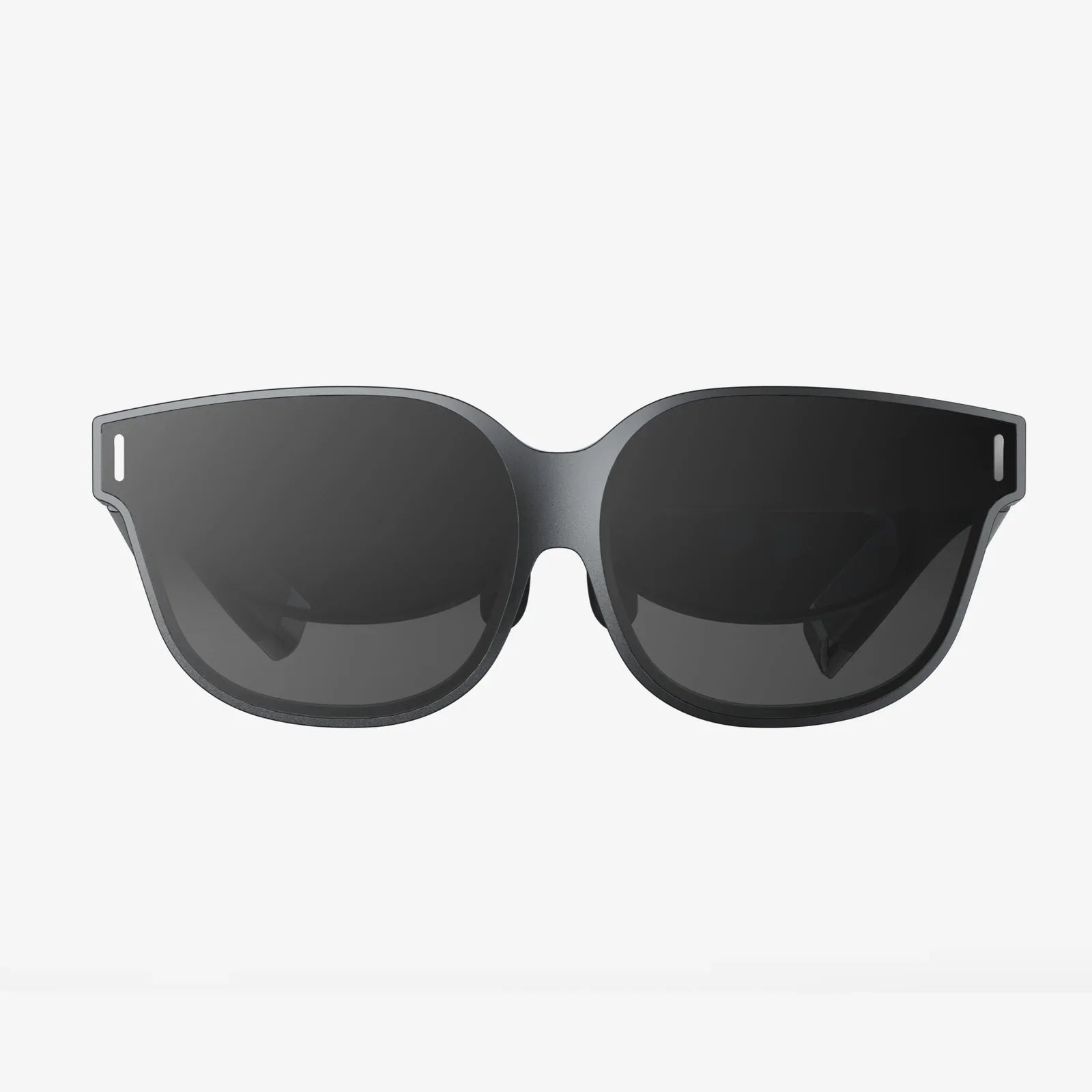
You’ve finally picked out the perfect frames, endured the eye exam, and are ready to order your new glasses. Then, the optician hits you with a seemingly simple question that sends you down a rabbit hole: "Would you like an anti-reflective coating?" You say yes, of course, because you’ve heard it’s a good idea. But then comes the follow-up: "We have a few different levels. Standard, premium, and platinum." Wait, what? Levels? Strengths? You thought AR coating was just AR coating. This moment of confusion is more common than you think, and the answer reveals a fascinating world of optical engineering designed to give you not just clearer vision, but a better visual experience. The choices you make at this counter can dramatically impact your daily comfort, the longevity of your lenses, and even your nighttime driving safety. So, let’s demystify the technology behind the glass and answer the pressing question: are there truly different strengths of AR coating for glasses, and what does that actually mean for you?
Deconstructing the Reflection: What AR Coating Actually Does
Before we can understand the differences in strength, we must first grasp the fundamental purpose of anti-reflective coating. Light is both our best friend and a persistent foe when it comes to vision. Every lens surface, both front and back, reflects a portion of the light that hits it. This isn't just about the annoying glare from a screen or a overhead light; these reflections have several tangible negative effects:
- Reduced Visual Acuity: Reflected light creates ghost images and veiling glare that scatters within the lens, effectively washing out contrast and making it harder to see fine details. This is why uncoated lenses can sometimes seem hazy or less sharp.
- Eye Strain and Fatigue: Your pupils constantly contract and expand to manage the amount of light entering your eye. When dealing with significant reflections, this muscle works overtime, leading to headaches and tired eyes, especially after long periods of reading or computer use.
- Aesthetic drawbacks: Reflections on the front of your lenses prevent others from clearly seeing your eyes, creating a social barrier. Photographs often accentuate these distracting white splotches of light.
- Compromised Night Vision: This is a critical safety issue. Oncoming headlights, street lamps, and traffic signals can create blinding starbursts and halos on uncoated lenses, drastically reducing reaction times for drivers.
AR coating is a microscopic, multi-layered film applied to the lens surface. Its job is to cancel out these reflections through the principle of wave interference. By carefully controlling the thickness and index of refraction of these layers, the coating causes light waves reflecting off the top of the coating and the top of the lens itself to be out of phase. When these out-of-phase waves meet, they cancel each other out, allowing more light to pass through the lens uninterrupted. The result is lenses that appear almost invisible, providing notably sharper, clearer, and more comfortable vision.
The Myth of "Strength" and the Reality of "Performance Tiers"
The term "strength" is a bit of a misnomer when used in an optical context. We might imagine a "stronger" coating as a thicker, more durable layer, like a stronger piece of glass. However, in the world of AR, the concept is better understood as performance tier or feature set. The differences are not typically in the brute "strength" of the material but in the number of layers, the precision of their application, the incorporation of additional surface treatments, and the overall quality of the raw materials used.
Think of it like the difference between a basic raincoat and a high-end technical shell from an outdoor brand. Both will keep you dry in a light drizzle. But the premium shell will be more breathable, lighter, have reinforced seams, and likely include a durable water repellent (DWR) finish to shed heavy rain and dirt more effectively. It’s not necessarily "stronger" in the sense of being made of thicker material; it's smarter, more advanced, and built with more features for a higher level of performance and longevity.
This is precisely how anti-reflective coatings work. The core technology is the same, but the execution and added benefits create distinct tiers of quality. The industry generally categorizes these into three main levels, though the marketing names will vary between lens manufacturers and optical labs.
Breaking Down the Tiers: From Standard to Premium
1. Standard or Basic AR Coating
This is the entry-level option. A standard coating will typically be a single-layer or few-layer coating designed to tackle the most obvious and bothersome reflections. It's a significant improvement over a bare lens and will effectively reduce the majority of front-surface glare from artificial lights and screens.
Pros: It is the most economical option and provides a clear benefit for basic daily use, especially for those on a tight budget or for a pair of glasses used infrequently.
Cons & Limitations: The performance is often limited to a specific range of the light spectrum (e.g., it might be optimized for green light, but less so for blue or red). It usually lacks any significant hydrophobic (water-repelling) or oleophobic (oil-repelling) top layers. This means it will smudge more easily from fingerprints and sweat, and will be harder to clean. Its durability is also lower, meaning it may scratch or wear away more quickly than advanced options. You will likely still notice some residual greenish or bluish hue reflections in certain lighting conditions.
2. Premium or Advanced AR Coating
This is the sweet spot for most consumers, offering a robust balance of performance, durability, and value. Premium coatings utilize a multi-layer, broad-spectrum design. Instead of targeting just one wavelength of light, they are engineered to minimize reflections across the entire visible light spectrum, from red to violet. This results in even greater light transmission, superior contrast enhancement, and virtually no noticeable color residue—the lenses will appear completely clear.
The key differentiator here is the addition of surface treatments. A premium coating almost always includes a permanent hydrophobic and oleophobic top layer. This causes water to bead up and roll off the lens, and makes oils from your skin much easier to wipe away without smearing. This "easy-to-clean" feature is a huge quality-of-life improvement.
Pros: Excellent all-around anti-reflective performance, significantly improved scratch resistance, and much easier maintenance. Ideal for everyday wear, computer use, and students.
3. Platinum, Supreme, or Super-Hydrophobic Coating
This represents the pinnacle of AR technology. These coatings incorporate all the benefits of the premium tier but push the boundaries further with ultra-durable materials and enhanced surface properties. They often use harder, more scratch-resistant matrixes in their construction, sometimes using plasma immersion or other advanced application techniques that fuse the layers to the lens for exceptional resilience.
The hydrophobic performance is often supercharged. Where a premium coating repels water, a top-tier coating may be classified as "super-hydrophobic," exhibiting an even higher contact angle, meaning water beads up almost perfectly and dust and dirt have a harder time adhering to the surface. Some also incorporate an "anti-static" property to further repel dust.
Pros: The highest possible level of clarity and light transmission, unparalleled durability that can extend the life of your glasses, and the ultimate in easy cleaning and low maintenance. These are often marketed for specific high-demand situations like night driving, as they are exceptionally effective at eliminating blinding headlight glare.
Cons: The only real downside is the higher cost, though many find the investment worthwhile for their primary pair of glasses.
Beyond Reflection: The Integrated Features of Modern Coatings
When discussing "strength," it's impossible to ignore the other features that are now routinely bundled with high-performance AR coatings. A top-tier coating is rarely just about anti-reflection; it's a complete surface system.
- Blue Light Filtering: Many modern AR coatings now include a filtering component that blocks a portion of high-energy visible (HEV) blue light emitted from digital screens and LED lights. This is often offered as an integrated feature in premium and platinum tiers, adding another layer of visual comfort for the digital age.
- Scratch Resistance: While a base level of scratch resistance is a feature of any AR coating, the superior hardness of the materials used in higher-tier coatings provides a much more durable barrier against everyday abrasions from cleaning, storage, and accidental drops.
- Cleanability: As mentioned, the hydrophobic and oleophobic top layers are a hallmark of advanced coatings. This isn't a minor convenience; it directly impacts the optical performance of the lens. A cleaner lens is a clearer lens, and a coating that stays cleaner longer ensures optimal vision throughout the day.
How to Choose the Right Tier for You
Selecting the appropriate AR coating is a personal decision based on your lifestyle, vision needs, and budget. Here’s a quick guide to help you decide:
- Choose Standard if: You need a second pair of glasses for occasional use, you are on a very strict budget, or the glasses are for a child where replacement is expected frequently.
- Choose Premium if: These are your everyday glasses. You work on a computer, drive regularly, value easy cleaning, and want the best combination of performance and value. This is the recommended choice for the vast majority of people.
- Choose Platinum/Supreme if: You are a night driver who is severely affected by headlight glare, you work in a demanding environment where your glasses might get roughed up (e.g., healthcare, construction with safety over-glasses), you want the absolute best in clarity and durability with minimal maintenance, and cost is a secondary concern.
Always discuss your specific daily habits with your eyecare professional. Do you work outdoors? Are you on a digital device for 10 hours a day? Do you struggle with night driving? Their recommendation will be invaluable.
Caring for Your Investment: Maximizing Coating Longevity
No matter the tier, an AR coating requires proper care to perform throughout its lifespan. The number one enemy of any AR coating is improper cleaning. Always:
- Rinse lenses under a gentle stream of lukewarm water first to remove dust and debris that can cause scratching.
- Apply a small drop of lens-specific cleaning solution (never household glass cleaner, which contains ammonia and other chemicals that degrade coatings).
- Gently rub with a clean, microfiber cloth designed for lenses. Paper towels, tissues, and your shirttail are abrasive and will slowly damage the coating.
- Store your glasses in a protective case when not in use.
Imagine a world where your glasses disappear on your face, where screens are crystal clear without a hint of glare, and where night driving no longer means being blinded by halos of light. This isn't a fantasy; it's the tangible reality offered by today's advanced anti-reflective coatings. The question isn't just whether to get an AR coating, but which level of its sophisticated technology will best serve your vision. By understanding the real differences behind the marketing terms, you can move beyond a simple 'yes' and make an empowered choice that invests not just in a product, but in the quality of your sight. Your next pair of glasses could offer more than just correction—they could provide a seamless window to a brighter, clearer, and more comfortable world.
Share:
Artificial Intelligence Applications in Daily Life: The Invisible Revolution Reshaping Our World
Who Makes AR Glasses: The Architects of Our Augmented Future