


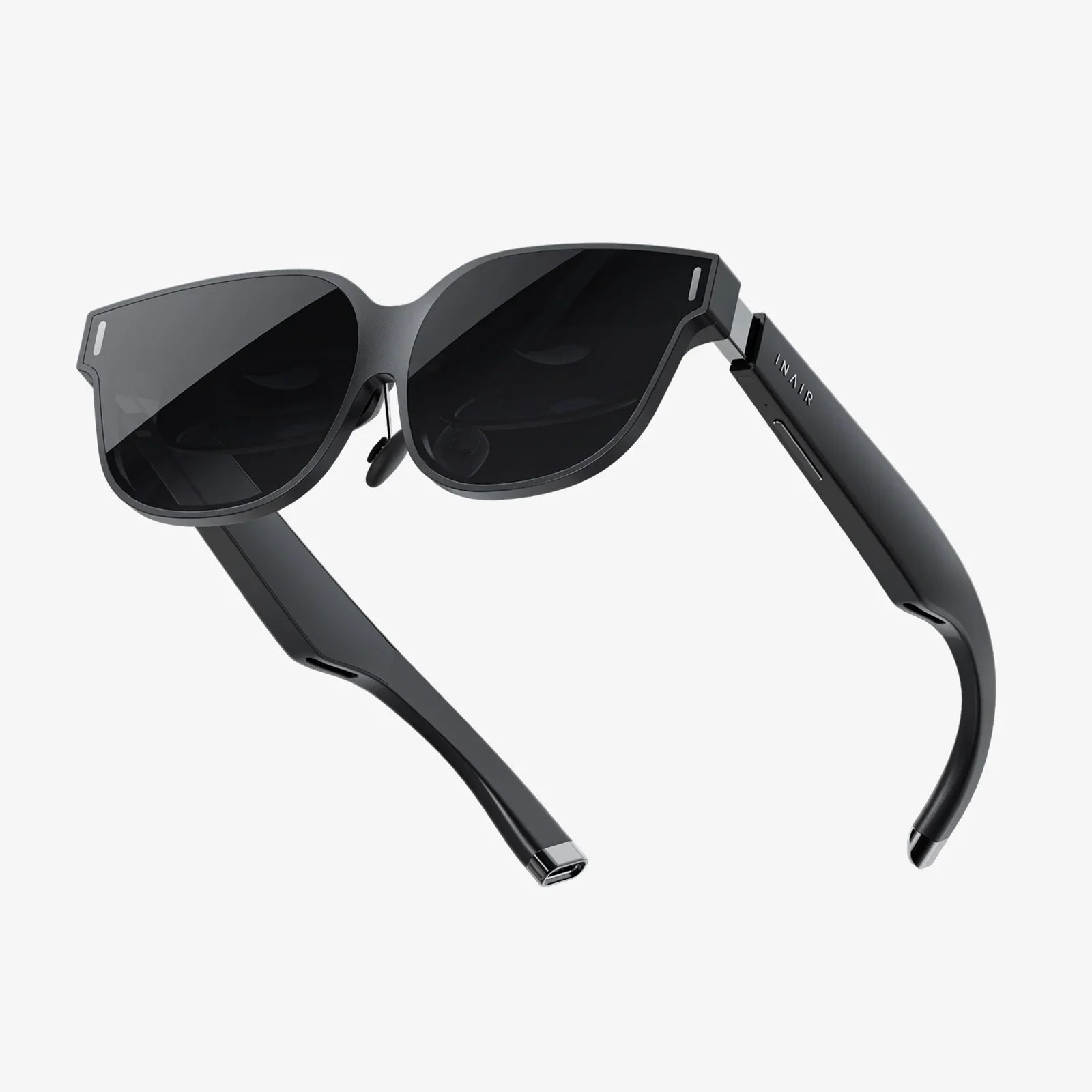
You’ve seen the viral videos: someone screaming as a virtual rollercoaster plummets, or a person frantically swatting at digital ghosts in their living room. The promise of Virtual Reality is intoxicating—a ticket to another world, a new dimension of gaming, and a futuristic way to work and connect. But as you stare at the price tag of a high-end headset, a very real and pressing question pushes all others aside: are these things actually worth my hard-earned money?
The answer, frustratingly, is not a simple yes or no. It’s a complex equation that depends entirely on your expectations, your budget, your technical tolerance, and what you hope to get out of the experience. The value proposition of VR is a shifting landscape, evolving with each new technological breakthrough. This article will serve as your guide, dissecting every facet of the VR dilemma to help you arrive at your own definitive verdict.
The Allure: What Makes VR So Compelling?
To understand the value, one must first understand the magic. VR is not just another screen; it’s a paradigm shift in human-computer interaction.
The Unmatched Immersion
This is VR’s killer feature. By replacing your field of view with a digital environment and tracking your head movements in real-time, a good VR headset creates a powerful, psychological phenomenon known as presence. Your logical brain might know you’re standing in your playroom, but your primal brain is convinced you’re standing on the edge of a skyscraper or exploring an alien planet. This feeling of "being there" is something flat screens simply cannot replicate. It’s the difference between watching a documentary about climbing Mount Everest and feeling the vertigo as you look down a crevasse.
Beyond Gaming: A Universe of Applications
While gaming is the most famous use case, it’s merely the tip of the iceberg. The potential applications for VR are vast and growing:
- Fitness & Health: Apps have successfully gamified exercise, turning workouts into rhythm games or boxing sessions against dynamic opponents. It’s a fantastic way to make cardio fun and forget you’re even working out.
- Social Connection: Social VR platforms allow you to meet friends, family, or strangers in shared virtual spaces. You can watch movies together on a giant virtual screen, play games, or simply hang out as personalized avatars, offering a sense of togetherness that video calls lack.
- Creative & Productivity Tools: Artists can sculpt in 3D space as if they were working with digital clay. Architects can walk clients through unbuilt designs. Remote workers can collaborate in virtual boardrooms, manipulating 3D models together.
- Education & Training: Medical students can practice complex surgeries, history students can walk through ancient Rome, and mechanics can train on virtual engines. The experiential learning is profoundly effective.
The Thrill of a New Medium
We are in the early days of a new artistic and interactive medium. Investing in a VR headset now is akin to buying one of the first television sets or home computers. You’re getting in on the ground floor of a technology that is constantly evolving, with developers pushing creative boundaries to discover what’s possible.
The Reality Check: The Hurdles and Drawbacks
For all its wonder, VR still has significant barriers to mainstream adoption. Ignoring these would be a disservice to anyone considering a purchase.
The Significant Financial Outlay
This is the most immediate hurdle. A quality, modern headset represents a substantial investment. The cost isn’t just the headset itself. You must also consider:
- The Hardware Requirement: High-fidelity VR often requires a powerful, and therefore expensive, gaming computer. This can easily double or triple the total cost of entry.
- The Software Library: Premium VR games and experiences carry premium price tags, often similar to their traditional console counterparts.
- The Accessories: Longer battery life, better head straps, carrying cases, and lens protectors are often essential for a comfortable experience, adding to the total cost.
The Technical and Physical Challenges
VR is not always a plug-and-play experience.
- Setup Can Be Daunting: From clearing a dedicated play space to configuring base stations or troubleshooting software and driver conflicts, the initial setup can be a technical chore.
- Comfort is Not Guaranteed: Headsets can be heavy, leading to neck strain. They can get hot and fog up. Finding the perfect fit to avoid blurry visuals or light leakage (which breaks immersion) can be a frustrating process of trial and error.
- The Dreaded Motion Sickness: A significant portion of the population experiences VR-induced nausea, especially in experiences that involve artificial locomotion (e.g., using a joystick to walk). While "VR legs" can be developed over time, it’s a barrier that not everyone can overcome.
The Isolation Factor
By design, VR is an isolating activity. You are visually and audibly cut off from your physical environment. This makes it difficult to be present with others in the room, care for pets or children, or even just be aware of your surroundings. It’s an activity that demands your full, undivided attention.
The Content Conundrum: Is There Enough?
While the library is growing, it lacks the sheer volume and depth of traditional gaming platforms. You may find yourself blowing through the handful of must-play titles and then wondering what to do next. The experience can sometimes feel like a series of amazing tech demos rather than a fully fleshed-out ecosystem, though this is rapidly changing.
Breaking Down the Value by User Profile
The question "is it worth it?" is meaningless without context. Its value is intensely personal.
The Hardcore Gazer
Verdict: Very Likely Worth It. If you live for cutting-edge tech and immersive experiences, VR is a must. Titles like Half-Life: Alyx have shown the incredible narrative and interactive depth possible. For this user, the cost is justified by the unparalleled level of immersion and the novelty of a new gaming frontier.
The Fitness Enthusiast
Verdict: A Strong Contender. If you dread the treadmill but want a fun way to get your heart rate up, VR fitness apps can be a revelation. When compared to the cost of a yearly gym membership, a high-end exercise bike, or other home fitness equipment, a VR headset can represent excellent value as a multi-purpose entertainment and fitness device.
The Casual User / Family
Verdict: A Calculated Risk. This depends heavily on budget. For a family, a more affordable, self-contained headset can be a fantastic source of shared fun and wonder. The value is in the novelty and the social experiences. However, the risk of it becoming an expensive dust-collector after the initial excitement wears off is very real. Carefully research the available family-friendly content first.
The Professional or Creator
Verdict: A Specialized Tool. For those in architecture, design, medicine, or data visualization, VR is not about entertainment—it’s a professional tool. In these contexts, the ROI is clear: it can save thousands in physical models, improve training outcomes, and facilitate remote collaboration in ways 2D screens cannot. The cost is a business expense justified by its utility.
Gazing into the Crystal Ball: The Future of VR
The technology is advancing at a breakneck pace. The headsets of tomorrow promise to solve many of today's problems.
- Increased Comfort & Portability: Future headsets will be lighter, wireless, and more comfortable for extended use.
- Higher Resolution & Visual Fidelity: Displays will become sharper, eliminating the "screen door effect" and making virtual worlds indistinguishable from reality.
- Advanced Haptics and Input: Gloves and full-body suits will provide tactile feedback, letting you feel the virtual world.
- More Compelling Content: As the user base grows, so will investment in bigger, longer, and more ambitious VR-exclusive titles and applications.
Buying into VR now means you get to experience this evolution firsthand. However, waiting means you’ll likely get a better, cheaper, and more refined product down the line.
The Final Calculation: Making Your Decision
So, where does this leave you? To determine if a VR headset is worth it for you right now, ask yourself these questions:
- What is my total budget? (Include the potential cost of a gaming PC if needed).
- What do I primarily want to use it for? (Be specific: is it for that one game, for fitness, or just to try it out?).
- Do I have the physical space for it? A dedicated, clear area is crucial for room-scale experiences.
- Am I prone to motion sickness? If you are, your enjoyment may be limited.
- Am I a tech tinkerer or do I demand simplicity? Are you willing to troubleshoot, or do you just want it to work?
If your answers align with the strengths of current VR technology and your budget allows for it, you are in for an experience that is truly like nothing else. The sense of wonder and the sheer novelty of being transported to another world can, for the right person, be worth every penny.
Imagine not just playing a game, but stepping inside it. The initial investment might seem steep, but the payoff is a library of experiences that defy conventional entertainment—a passport to concerts on Mars, a personal home gym that feels like an arcade, and a new way to connect that transcends a video call. The technology has moved from a sci-fi fantasy to a tangible, albeit imperfect, reality. The only thing left to do is to decide if you're ready to take the plunge and see what all the fuss is really about.
Share:
What Do People Use Virtual Reality Headsets For - Beyond Gaming and Into the Future
Is Virtual Reality Possible? Exploring the Boundaries of Digital Existence