


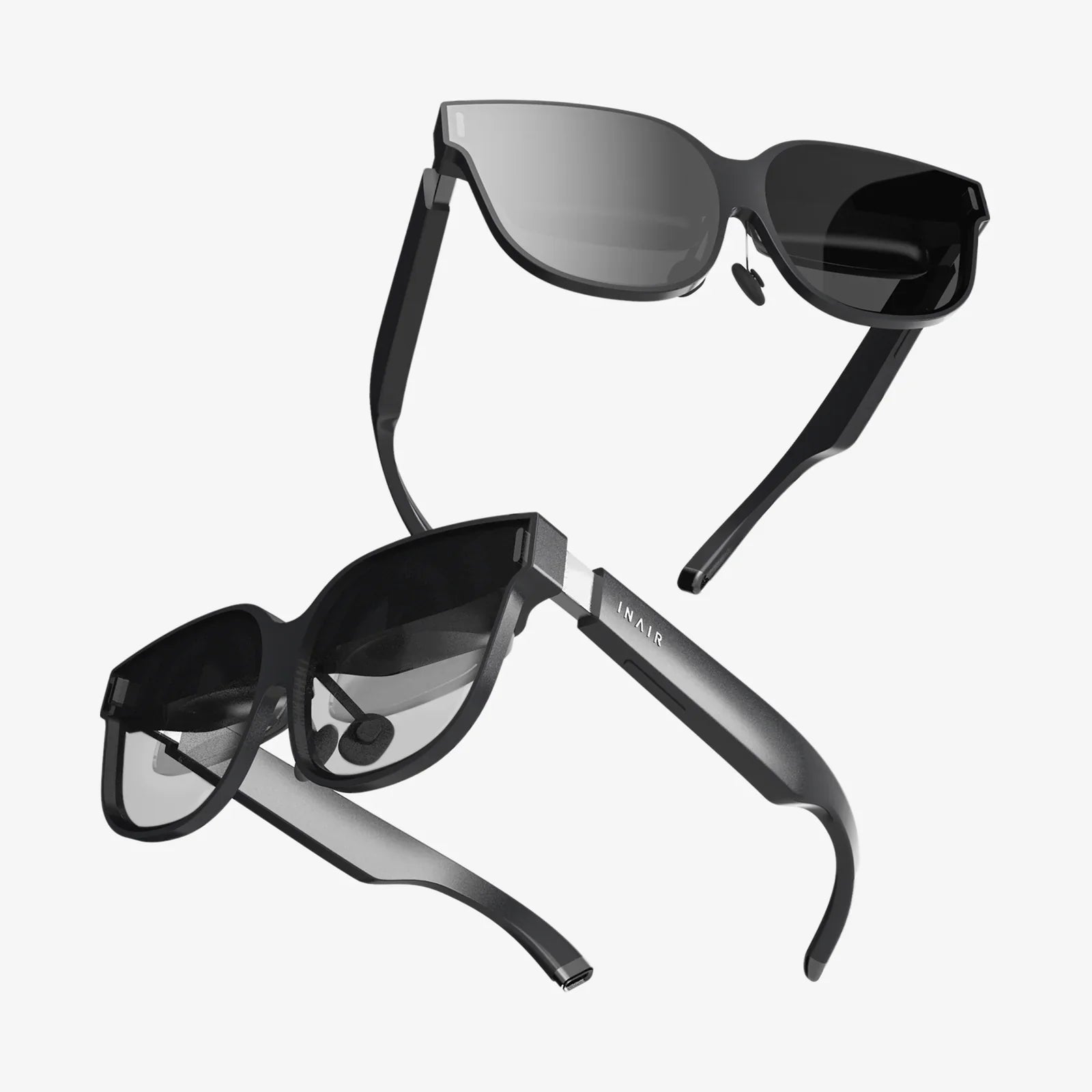
- by wangfred
What Do People Use Virtual Reality Headsets For - Beyond Gaming and Into the Future
- by wangfred
Imagine slipping on a headset and instantly being transported—not just to a new world, but to a new perspective, a new skillset, or a new way to heal. This is the promise of modern virtual reality, a technology that has explosively evolved from a sci-fi fantasy into a powerful tool reshaping every facet of our lives. While the thrill of immersive gaming is often the first thing that comes to mind, the true revolution of VR lies in its staggering versatility. The question is no longer if VR is useful, but rather discovering the breathtaking breadth of what it can be used for. From the operating room to the classroom, the applications are as limitless as human imagination itself, offering glimpses into a future we are only just beginning to build.
It is impossible to discuss virtual reality without acknowledging the industry that propelled it into the mainstream: entertainment. Gaming, in particular, has been the primary driver of consumer adoption, offering an unparalleled level of immersion.
VR gaming transforms players from spectators into active participants within the digital realm. Instead of pressing a button to make a character swing a sword, you physically perform the motion. This kinaesthetic connection creates a profound sense of presence—the feeling of actually being inside the game world. This extends beyond action-adventure titles to immersive puzzle games, terrifying horror experiences where threats feel tangibly close, and social games where you can interact with friends' avatars in a shared virtual space. The medium also revolutionizes storytelling. VR films and experiences place you directly inside the narrative, often as a silent observer or even a central character, evoking empathy and emotional responses that are difficult to achieve through a traditional screen.
Perhaps one of the most impactful applications of VR lies in its ability to serve as a ultimate risk-free simulator. Across numerous industries, organizations are leveraging VR to train employees in complex, dangerous, or expensive scenarios without any real-world consequences.
In the medical field, aspiring surgeons can practice intricate procedures on virtual patients, honing their skills and muscle memory without ever touching a scalpel to a real person. Medical students can take guided tours of the human body, walking through a giant, beating heart or examining the intricacies of the nervous system in 3D. This experiential learning cements knowledge far more effectively than textbooks alone.
Similarly, aviation has used simulation for decades, but VR makes it vastly more accessible and realistic. Pilots can train for emergency situations like engine failures or adverse weather conditions in a hyper-realistic virtual cockpit. This same principle applies to heavy machinery operators, firefighters, and law enforcement personnel. A police officer can de-escalate a tense, high-pressure scenario in VR, making split-second decisions in a controlled environment that prepares them for the real thing. Corporate training is also being disrupted, with VR used for everything from public speaking practice in front of a virtual audience to soft-skills development like leadership and diversity training.
The therapeutic potential of virtual reality is a rapidly expanding frontier, offering new hope and innovative treatment methods for a wide range of conditions.
One of the most well-established uses is in exposure therapy for treating phobias and anxiety disorders. Patients suffering from acrophobia (fear of heights), arachnophobia (fear of spiders), or social anxiety can be gradually and safely exposed to their triggers within a virtual environment. A therapist can control the intensity of the exposure, slowly helping the patient build coping mechanisms and reduce their anxiety response in a completely safe space.
VR is also proving to be a powerful tool for pain management. By immersing burn victims in a calming, cold virtual environment like a snowy landscape, the brain's attention is diverted from processing pain signals, significantly reducing the perceived pain levels during wound care. Furthermore, VR rehabilitation programs are helping stroke victims and individuals with physical injuries regain motor function. These systems turn repetitive physical exercises into engaging games, boosting patient motivation and providing precise data for therapists to track progress.
The fields of architecture, engineering, and construction are using VR to bridge the gap between blueprint and building. Architects and their clients can now don a headset to walk through a photorealistic 1:1 scale model of a unbuilt design. This allows for a true sense of space, scale, and lighting that a 2D drawing or even a 3D model on a screen cannot provide. Stakeholders can identify potential design flaws, experiment with different materials and finishes, and make informed decisions before a single foundation is poured.
In real estate, virtual reality tours are becoming increasingly common. Potential buyers or renters, regardless of their location in the world, can take self-guided, immersive tours of properties at any time. This saves immense time and resources for all parties involved and is particularly valuable for marketing properties that are still under construction or for showcasing luxury homes to an international clientele. This technology democratizes access and provides a much more comprehensive understanding of a property than static images ever could.
At its core, VR is a profoundly social technology. Social VR platforms have emerged as vibrant metaverses where people can gather, interact, and share experiences. Users create digital avatars to represent themselves and can meet with friends to watch virtual movies, play games, attend live concerts, or simply converse in a shared space. This fosters a sense of togetherness and presence that video calls, limited to small rectangles on a screen, cannot replicate.
This capability for presence is now being harnessed for business. Remote collaboration is transformed in VR. Instead of a grid of faces on a video call, teams from across the globe can meet in a virtual boardroom, workshop, or creative studio. They can interact with 3D models of products they are designing, brainstorm ideas on virtual whiteboards, and read each other's body language through motion-tracked avatars. This makes remote meetings more engaging, productive, and human, effectively collapsing geographical barriers and creating a new paradigm for the future of work.
Virtual reality has the unique ability to offer the next best thing to being there. For those with physical or financial constraints, VR travel experiences can provide breathtaking access to the world's wonders. You can dive the Great Barrier Reef, stand on the edge of the Grand Canyon, or walk the streets of ancient Rome from your living room. Museums and heritage sites are creating immersive tours, allowing anyone, anywhere, to explore their collections and exhibits in detail.
Perhaps even more importantly, VR is being used for cultural preservation. Historical sites threatened by climate change, war, or erosion can be digitally scanned and preserved in meticulous detail within a virtual space. This creates a permanent, interactive record for future generations to study and experience, ensuring that these treasures of human history are never truly lost.
The VR fitness market has exploded by solving a common problem: exercise can feel like a chore. VR fitness games effectively disguise intense physical activity as fun. Users can find themselves boxing to the rhythm of music, slashing through cubes with lightsabers, or dancing in a fantastical world. The immersive nature of the experience distracts from the physical exertion, making workouts feel shorter and more enjoyable. Many applications provide detailed metrics tracking calories burned, heart rate, and progress over time, offering a compelling and engaging alternative to the gym.
Beyond cardio, VR is also a powerful tool for mindfulness and meditation. Applications can guide users through meditative practices in serene, beautiful environments—from a misty mountain temple to a quiet beach under the stars. By blocking out external distractions and focusing the mind on a calming virtual world, VR meditation can be an effective way to reduce stress and achieve mental clarity.
Retail is on the cusp of a VR revolution. Virtual stores allow customers to browse products in 3D, try on virtual clothing or see how a new piece of furniture would look in their actual home through augmented reality integrations. This reduces purchase uncertainty and can significantly decrease return rates. Car manufacturers are creating virtual showrooms where you can explore every detail of a vehicle, customize its color and trim, and even take it for a virtual test drive.
Finally, live events have found a new audience in VR. Major sports leagues now offer VR streaming, placing you in the best virtual seat in the stadium. Music festivals and concerts are broadcasting live performances in VR, allowing fans to experience the energy of the crowd and the spectacle of the show from a perspective previously reserved for the stage crew. This creates new revenue streams for artists and unprecedented access for fans globally.
The journey through the virtual is just beginning. Every day, innovators are discovering new ways to harness this transformative technology, pushing the boundaries of what we once thought possible. The headset is merely a portal—a key to unlocking new dimensions of human potential, connection, and understanding. It’s an invitation to step through and actively participate in the future, one immersive experience at a time.