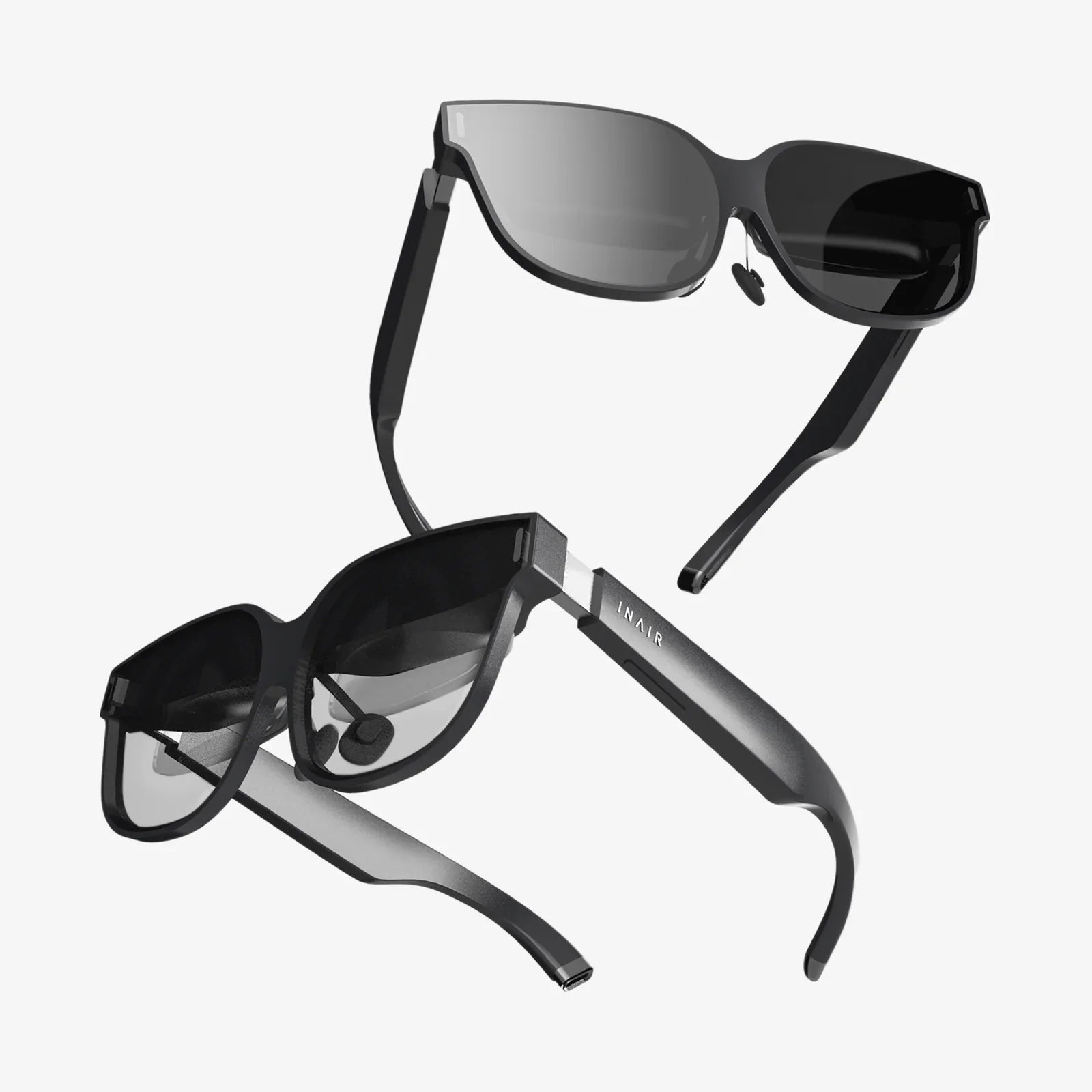
You’ve seen the future, and it’s wearing a headset. Virtual reality has exploded from the pages of science fiction into our living rooms, promising unparalleled adventures, revolutionary training simulations, and new ways to connect. But as you prepare to strap into these digital worlds, a critical, nagging question surfaces: are VR goggles safe? The answer is not a simple yes or no. It’s a complex landscape of immediate physical effects, potential long-term considerations, and emerging societal impacts that every user must navigate.
The Immediate Physical Realm: Eye Strain, Motion Sickness, and More
The most common complaints from new and experienced VR users alike are physical. These are the body's immediate reactions to the unique sensory experience VR provides.
The Vergence-Accommodation Conflict: A Challenge for Your Eyes
In the real world, your eyes perform a delicate dance to focus on objects. They converge (turn inward or outward) and accommodate (change the shape of the lens) in perfect sync. Standard VR headsets present a fixed focal distance, typically around two meters. Your eyes converge on a virtual object that appears close, but they must still accommodate for the fixed screen distance. This vergence-accommodation conflict is a primary cause of eye strain, headaches, and visual fatigue.
Prolonged exposure can lead to discomfort, but research suggests it is typically temporary. Manufacturers are actively developing solutions like varifocal displays and light-field technology to resolve this conflict, making the experience more natural and less straining on the visual system.
Simulator Sickness: When Your Brain Thinks You're Poisoned
Perhaps the most infamous side effect of VR is simulator sickness, a close cousin of motion sickness. It occurs when there's a disconnect between what your eyes see and what your vestibular system (your inner ear balance center) feels. Your eyes might be telling your brain you're racing down a mountain, but your body is sitting perfectly still on the couch.
This sensory mismatch can trigger a cascade of unpleasant symptoms, including:
- Dizziness and vertigo
- Nausea
- Sweating
- Pallor
- General disorientation
The good news is that most users develop a degree of "VR legs" over time. The key is to start with comfortable experiences (stationary or teleportation movement) and take frequent breaks. Never push through feelings of nausea; it will only make it worse and create a negative association with VR.
Trips, Tumbles, and Tangled Cables: Physical Space Safety
This is the most straightforward safety hazard. Immersed in a digital world, users become oblivious to their physical surroundings. This has led to countless viral videos of people walking into walls, tripping over furniture, or smacking controllers into TVs. While most systems incorporate a digital boundary system (Guardian, Chaperone), it is ultimately the user's responsibility to ensure a clear play area free of obstacles, sharp edges, and tripping hazards. This is especially crucial for children, who require active adult supervision during use.
The Long-Term Horizon: Vision Development and Psychological Effects
While immediate effects are well-documented, the long-term implications of regular VR use are still a subject of ongoing scientific inquiry. The technology is simply too new for definitive, multi-decade longitudinal studies.
Children and Developing Vision: A Cautious Approach
This is the area of greatest concern and caution. Major headset manufacturers explicitly state that their products are not for use by children under the age of 13. The primary reason is the unknown impact on developing visual systems. A child's eyes are still learning how to see the world correctly. The intense vergence-accommodation conflict present in current VR technology could potentially interfere with this delicate developmental process, though conclusive evidence is not yet available. The conservative and recommended approach is to strictly adhere to the age guidelines provided by manufacturers.
Psychological Impact and Reality Blurring
VR's power lies in its ability to create a persuasive illusion of presence—the feeling of "being there." This can have profound positive effects, such as its use in exposure therapy for phobias or empathy-building experiences. However, it also raises questions about the potential for desensitization or a blurring of lines between virtual and real-world experiences, especially after long, intense sessions.
Users, particularly younger ones, may experience a period of derealization upon removing the headset. The real world might feel slightly "off" for a few minutes. This is generally temporary but underscores the intensity of the experience. It is vital to have open conversations, especially with teenagers, about the difference between virtual content and real-world actions and consequences.
The Data and Privacy Landscape: What Are You Really Sharing?
Safety in the digital age extends beyond the physical. VR headsets are sophisticated data collection devices. They are equipped with:
- Cameras for inside-out tracking
- Microphones for voice chat
- Inertial measurement units (IMUs)
- Eye-tracking sensors (on newer models)
This means they can collect a staggering amount of biometric data. They don't just know what you're looking at; eye-tracking can reveal how you look at it, what you ignore, and even infer your emotional state and attention levels. This data is incredibly valuable and raises significant privacy concerns. It could be used for targeted advertising, sold to third parties, or, in a worst-case scenario, stolen in a data breach. Users must be diligent in reviewing the privacy policies of headset manufacturers and the applications they use, adjusting privacy settings to their comfort level.
Building a Safe and Enjoyable VR Practice
With awareness and a few simple habits, you can mitigate most risks and enjoy VR safely.
-
Consult a Professional: If you have a pre-existing condition like epilepsy, a history of migraines, or inner ear disorders, consult a doctor before using VR.
-
Adhere to Age Guidelines: Do not allow young children to use headsets not designed for them.
-
Take Regular Breaks: Follow the 30-30 rule: every 30 minutes, take a 30-second break to look around the real world. A longer break every hour is even better.
-
Listen to Your Body: The moment you feel eye discomfort, nausea, or dizziness, stop immediately. Your body is giving you an important signal.
-
Supervise Children: Actively monitor children's VR use, limiting session times and ensuring the content is age-appropriate.
-
Secure Your Space: Always use the boundary system and double-check that your play area is clear of pets, people, and obstacles.
-
Maintain Hygiene: If sharing a headset, use hygienic covers and clean the facial interface with appropriate non-abrasive wipes to prevent the spread of bacteria.
-
Manage Your Data: Be proactive. Review privacy settings for your headset and individual apps, disabling data collection features you are not comfortable with.
The journey into virtual reality is one of the most exciting technological developments of our time, but it is not without its caveats. The question of safety is not a barrier to entry but a call for mindful and informed engagement. By understanding the potential risks—from the temporary discomfort of eye strain to the broader questions of data privacy—you equip yourself with the knowledge to navigate these new digital frontiers. The future of immersive technology is incredibly bright, and by prioritizing safety today, we ensure we can all step into it with confidence and wonder for years to come.