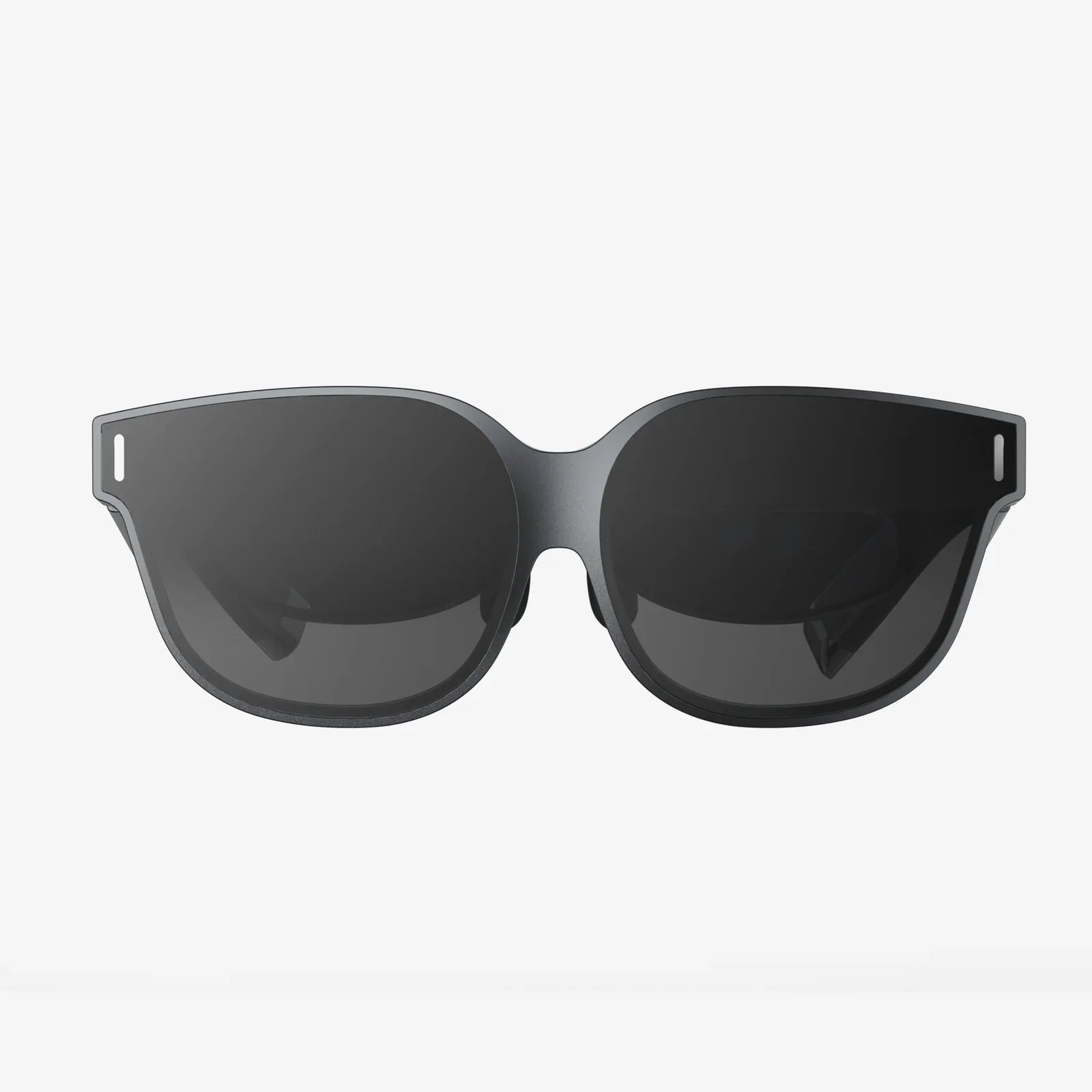
Imagine a world where your watch not only tells time but also tells you you're about to get sick, where your glasses overlay a digital universe onto the physical one, and where your clothing can monitor your emotional state. This is not a glimpse into a distant science fiction future; it is the rapidly crystallizing reality of today, built not by grandiose robots or flying cars, but by the subtle, intimate, and pervasive evolution of wearable computing devices. These technologies are quietly weaving themselves into the very fabric of our daily existence, moving from conspicuous novelties to indispensable, almost invisible partners. They are the unseen architects, silently collecting data, providing insights, and influencing behaviors, fundamentally altering the human experience in ways we are only beginning to comprehend. The question is no longer if they will integrate into our lives, but how deeply they already have and what this seamless fusion means for our future.
The Metamorphosis from Tool to Partner
The journey of wearable technology is a story of miniaturization, connectivity, and augmented intelligence. It began with rudimentary calculators strapped to wrists and evolved into basic pedometers. Today, we stand at the precipice of a new era where these devices are undergoing a profound metamorphosis. They are shedding their identity as mere tools—objects we consciously pick up and use—and are becoming partners: always-on, context-aware extensions of our own bodies and minds.
This shift is powered by a convergence of several technological leaps. The relentless advance of microprocessors has crammed supercomputer-level power into chips smaller than a fingernail. Sophisticuous sensors—accelerometers, gyroscopes, optical heart rate monitors, electrodermal activity sensors, SpO2 monitors, and even electrocardiogram (ECG) capabilities—have become cheap and tiny enough to be embedded anywhere. Furthermore, the ubiquity of high-speed wireless connectivity like Bluetooth and 5G allows these devices to serve as gateways, constantly streaming data to and from the cloud, creating a real-time digital twin of our physiological and environmental state.
This technological symphony enables a move from passive monitoring to active assistance. Early devices could tell you how many steps you took yesterday. Modern partners can analyze your sleep patterns, detect atrial fibrillation, nudge you to stand up after an hour of inactivity, guide you through a breathing exercise when it senses stress, and even call for help if it detects a hard fall. This predictive and prescriptive capability marks the critical evolution from a historical record to a proactive life-aid.
Revolutionizing Personal Health and Wellness
Perhaps the most profound impact of wearable computing devices is being felt in the realm of health and wellness. They are democratizing healthcare, shifting the paradigm from episodic and reactive—visiting a doctor only when you feel sick—to continuous and proactive.
-
Continuous, Quantified Self: Individuals can now track a vast array of biometric data 24/7, from heart rate variability and blood oxygen levels to skin temperature and sleep quality. This creates a rich, longitudinal dataset that is far more valuable than a single snapshot taken during an annual physical.
-
Early Detection and Intervention: The ability to continuously monitor allows these devices to identify anomalies that might otherwise go unnoticed. Irregular heart rhythms, subtle changes in blood pressure, or even early signs of infections can be flagged, prompting users to seek medical attention long before a condition becomes critical.
-
Chronic Disease Management: For those living with chronic conditions like diabetes, hypertension, or cardiovascular disease, wearables offer a powerful management tool. Continuous glucose monitors and connected insulin pumps are creating an artificial pancreas system. Wearables can remind patients to take medication, track symptoms, and share this data seamlessly with their clinicians for remote monitoring.
-
Mental Health and Mindfulness: Beyond the physical, devices are increasingly focusing on mental well-being. By tracking physiological markers of stress like heart rate and galvanic skin response, they can prompt users to engage in mindfulness exercises, meditation, or simply take a break, fostering a new awareness of the mind-body connection.
This data-driven approach empowers individuals to take ownership of their health, making informed decisions based on personalized insights rather than generalized advice.
Transforming the Professional and Industrial Landscape
The influence of wearables extends far beyond the individual consumer, fundamentally altering workflows and safety protocols across numerous industries.
-
Augmented Reality in Field Work: In sectors like manufacturing, logistics, and field service, smart glasses equipped with augmented reality (AR) displays can overlay digital schematics, instructions, or inventory information directly onto a worker's field of view. This hands-free access to critical information drastically reduces errors, speeds up training, and improves efficiency.
-
Enhanced Safety and Security: For construction workers, firefighters, and miners, wearables can be lifesavers. Devices can monitor exposure to toxic gases, detect dangerous levels of heat, and track vital signs to prevent overexertion. They can also provide precise location tracking inside hazardous environments, ensuring a rapid response in case of an accident.
-
The Connected Frontline Worker: Wearable devices enable a new level of connectivity for dispersed teams. A technician on an oil rig can share a live video feed with an expert thousands of miles away for instant guidance, transforming remote assistance and collaborative problem-solving.
In these professional contexts, wearables are not about self-quantification but about augmenting human capability, enhancing safety, and creating a more integrated and intelligent operational environment.
The Seamless Weave into Social Fabric and Human Behavior
On a societal level, wearable computing devices are subtly but significantly reshaping social norms, communication, and even human behavior itself.
-
The Quantified Relationship: Couples can now share fitness goals and activity data, creating a new form of digital intimacy and mutual motivation. Family members can use location-sharing features on devices to keep tabs on the well-being of children or elderly relatives, providing peace of mind.
-
Gamification of Life: By turning activity into a game with goals, badges, and social competition, wearables have successfully motivated millions to lead more active lifestyles. This subtle nudging, a form of persuasive technology, leverages our psychological predispositions towards achievement and social comparison to encourage positive habit formation.
-
Redefining Accessibility: For individuals with disabilities, wearables can be transformative. Smart glasses can read text aloud for the visually impaired, while haptic feedback devices can translate sound into tactile sensations for the hearing impaired, creating new avenues for interaction with the world.
-
The Always-Available Self: The constant connectivity afforded by a device on your wrist means notifications, calls, and messages are never more than a glance away. This creates an expectation of immediate availability, blurring the lines between work and personal life and challenging traditional social etiquette.
This integration is a double-edged sword, fostering connection and motivation while simultaneously raising questions about distraction, social isolation, and the pressure to perform and share.
The Dark Side: Privacy, Security, and the Data Dilemma
This incredible power of wearable computing devices comes with a formidable shadow. The very intimacy that makes them so effective is also the source of their greatest risk. The amount of deeply personal, continuous data they generate is unprecedented.
-
The Ultimate Personal Data Harvest: Your wearable knows when you sleep, when you are active, your heart rate during a stressful meeting, your location throughout the day, and potentially even your reproductive health patterns. In the wrong hands, this data can be used for manipulation, discrimination, or surveillance.
-
Consent and Ownership: Lengthy terms of service agreements often obfuscate how user data is collected, used, and sold to third parties. The line between using data to improve service and monetizing it for advertising or other purposes is frequently blurred. The fundamental question of who truly owns this biometric data—the individual who generated it or the company that collected it—remains largely unresolved in many legal frameworks.
-
Security Vulnerabilities: A device that has access to your body's data and is connected to the internet is a potential entry point for cyberattacks. A vulnerability could allow malicious actors to steal health data, track a user's location, or even deliver false information that could lead to harmful health decisions.
-
Algorithmic Bias and Interpretation: The insights provided by these devices are only as good as the algorithms that process the data. If these algorithms are trained on non-diverse datasets, they can produce biased or inaccurate results for certain demographics, potentially exacerbating health disparities.
Navigating this landscape requires robust, transparent data governance, strong regulatory frameworks, and a conscious effort by both companies and users to prioritize security and privacy by design.
The Next Frontier: From Wearable to Implantable and Invisible
The trajectory of this technology points toward even deeper integration. The next evolutionary step is moving from devices we wear to technologies that become a part of us.
-
Smart Fabrics and E-Textiles: The future lies in embedding technology directly into the materials we wear every day. Shirts that monitor posture, shoes that analyze gait, and jackets with built-in flexible displays will make the technology disappear into the background, becoming truly ubiquitous and unobtrusive.
-
Implantables and Bio-Integratable Sensors: Further out, we are looking at miniaturized sensors that can be implanted under the skin or even ingested to monitor internal conditions, drug levels, or biomarkers from within the body, providing a level of diagnostic precision currently impossible with external devices.
-
Brain-Computer Interfaces (BCIs): While still in early stages, companies are developing non-invasive and implantable BCIs that aim to translate neural signals into digital commands. This could eventually allow for controlling devices with thought, restoring function to paralyzed individuals, and even augmenting human cognition.
This path leads to a future where computing is not something we carry or wear, but something that is ambient, always present, and seamlessly integrated into our human experience, fundamentally challenging our definitions of self and humanity.
The silent hum on your wrist is more than a notification; it's a heartbeat from a new reality. Wearable computing devices have already ceased to be mere gadgets and have become the silent architects of our daily routines, our health choices, and our social interactions. They offer a tantalizing promise of enhanced well-being, superhuman efficiency, and deeper connection. Yet, this promise is inextricably linked to a Pandora's box of ethical quandaries and privacy concerns that we, as a society, have only just begun to crack open. The future they are building is not one of distant speculation—it is being written in the terabytes of data collected with every pulse, every step, and every breath we take. The ultimate question is not whether we will embrace these architects, but whether we can guide their design to build a future that is not only smarter and more efficient, but also more humane, equitable, and truly our own.